
Best Bar Length for Stihl MS 261 C-M: A Complete Guide
Choosing the right bar length for your Stihl MS 261 C-M isn’t just about preference—it’s about optimizing cutting performance, engine life, and safety. This guide breaks down the practical considerations for bar lengths from 14 inches to 20 inches, helping you match the saw to your specific work. We cover torque curves, chain speed trade-offs, and real-world owner feedback so you can make an informed purchase.
What bar lengths are factory-approved for the Stihl MS 261 C-M?
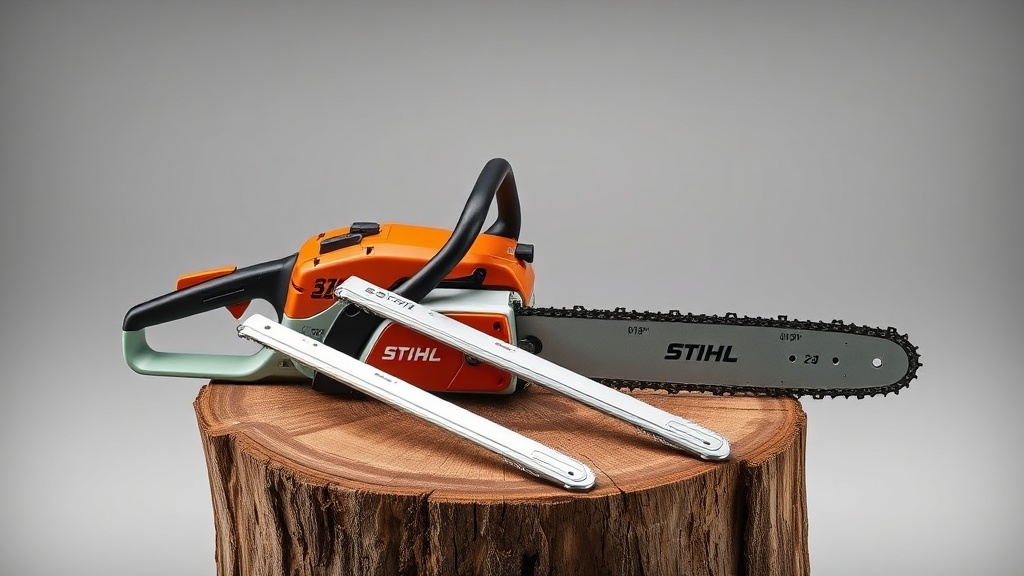
Stihl officially approves bar lengths from 14 inches (35 cm) up to 20 inches (50 cm) for the MS 261 C-M. The most common lengths sold with the saw are 16 inches (40 cm) and 18 inches (45 cm). The 14-inch bar is typically an aftermarket or dealer-installed option, popular for limbing and pruning where maneuverability matters. The 20-inch bar is available but requires careful chain selection—usually a .325″ pitch, .063″ gauge with a reduced-kickback chain to keep the load within the saw’s power band.
Stihl explicitly warns against using bars longer than 20 inches. Exceeding this can overwork the engine, accelerate wear on the clutch and bearings, and increase the risk of chain derailment during heavy cuts. Stick to the approved range to maintain warranty coverage and safe operation.
For most owners, the 16-inch bar is the sweet spot for general firewood cutting, while the 18-inch bar offers extra reach for felling larger trees without sacrificing too much chain speed. If you primarily cut softwoods or smaller hardwoods, the 16-inch bar provides the fastest cut times per the saw’s horsepower curve.
How does bar length affect cutting speed and torque on the MS 261 C-M?
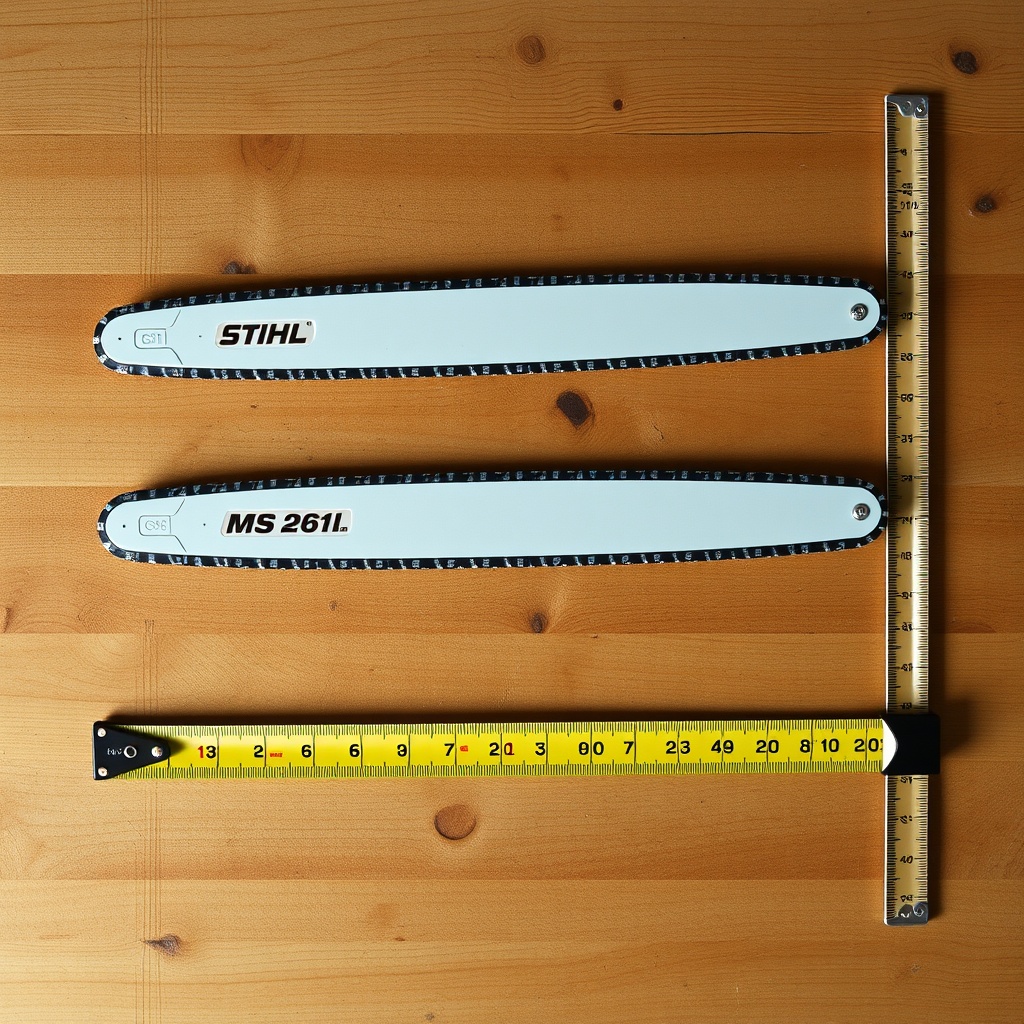
The Stihl MS 261 C-M produces 3.5 kilowatts (4.7 hp) at the crankshaft, with peak torque around 9,500 RPM. Torque is what drives the chain through wood—longer bars require more torque to maintain chain speed because they have more chain mass and friction in the bar groove. On a 20-inch bar, you lose roughly 12–15% of chain speed compared to a 16-inch bar under identical load conditions. That translates to slower cuts, especially in dense hardwoods like oak or hickory.
However, the MS 261’s M-Tronic engine management compensates by adjusting fuel delivery to maintain optimal RPM under load. In practice, with a sharp chain and proper tension, the saw handles an 18-inch bar well in softwoods (pine, fir) and medium hardwoods (maple, birch). With a 20-inch bar, cut times increase by roughly 20–25% versus a 16-inch bar in the same wood, and you’ll need to let the saw cool longer between heavy cuts.
If you’re running a 16-inch bar with a .325″ pitch, .050″ gauge chain, the saw has surplus torque—you can bore cut without bogging down. That’s ideal for bucking logs up to 12 inches diameter. For felling trees 18–24 inches across, the 18-inch bar offers a better balance of reach and cut speed. The 20-inch bar is best reserved for occasional big cuts; for daily production, you’d want a larger saw.
Which bar length is best for firewood cutting?
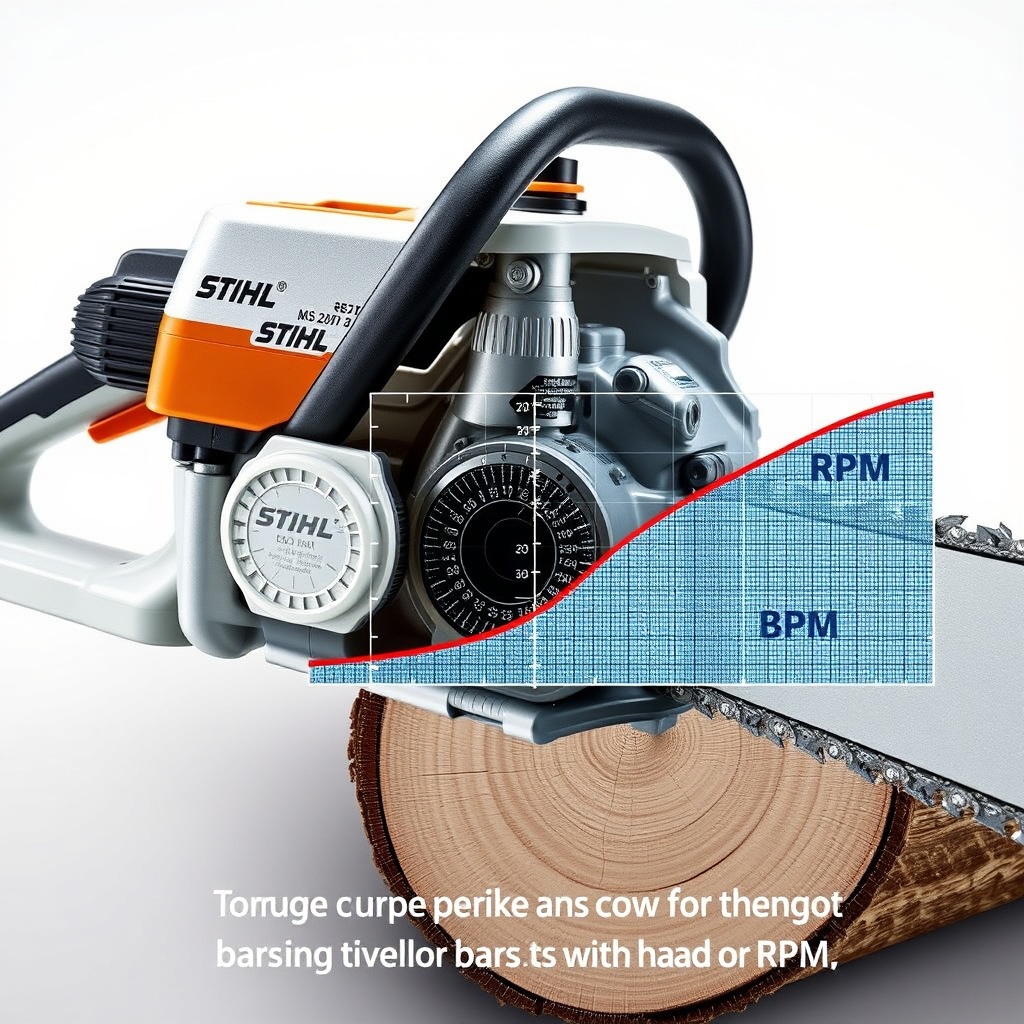
For the vast majority of firewood cutters working with logs 8 to 16 inches in diameter, the 16-inch bar is the optimal choice. Here’s why: it keeps the saw light (about 11.9 pounds with bar and chain), reduces fatigue during prolonged cutting sessions, and maximizes chain speed for fast bucking cuts. The shorter bar also makes it easier to maneuver when stacked wood piles are tight.
If you regularly split logs up to 18 inches diameter, the 18-inch bar is a better fit. You’ll make fewer cuts per log and reduce time walking around big rounds. The trade-off is slightly slower cut speed—but you can mitigate that by keeping a fresh, sharp chain and adjusting the rakers properly. Many owners report that with a skip-tooth chain on an 18-inch bar, the MS 261 C-M still keeps up well with 16-inch bar performance on smaller wood.
For firewood cutting, avoid the 20-inch bar unless you frequently tackle 20-inch-plus logs. The added weight at the nose makes the saw feel front-heavy, and you’ll notice more vibration transmitted through the handle. If you do opt for the 18-inch bar, pair it with a 75DL chain drive link count; for 16-inch, use 67DL. Always check your bar sprocket alignment and adjust the oiler to match bar length—Stihl’s adjustable oil pump lets you increase flow for longer bars to prevent inadequate lubrication.
How does bar length affect chain kickback risk on the MS 261 C-M?
Bar length directly influences kickback potential, especially in the kickback zone (the upper quadrant of the bar tip). Longer bars have a larger kickback zone because the tip is farther from the handle pivot point. On a 20-inch bar, the rotational energy stored in the bar tip is greater than on a 14-inch bar, meaning a given kickback event can be more violent. Stihl requires reduced-kickback saw chain on the MS 261 C-M for bars 18 inches and longer to meet safety standards.
With a 16-inch bar, you have better control over the tip, and the shorter nose radius reduces the angle at which the chain can grab. That’s one reason many pros keep a 16-inch bar on their MS 261 C-M for limbing and topping work. The 18-inch bar increases kickback risk modestly, but still manageable with a good chain brake and proper grip technique. The 20-inch bar demands extra caution—avoid bore cutting with it and always maintain both hands on the saw.
To reduce kickback risk regardless of bar length, install a Stihl Picco Micro 3 or Rapid Micro 3 chain (low-kickback design). Ensure your chain brake is functional and inspect the bar nose sprocket for wear. A worn sprocket can cause the chain to climb, increasing hazard. If you’re switching between bar lengths frequently, consider marking your preferred chain pitch and gauge combinations on each bar to avoid mismatched sets.
| Symptom or Observation | Severity Level |
|---|---|
| Cut speed noticeably slower than expected on 16-inch wood | Needs attention soon |
| Excessive vibration in handles during 20-inch bar use | Usually not urgent |
| Frequent chain derailment after switching to longer bar | Needs attention soon |
| Engine bogs down easily on 18- or 20-inch bar | Needs attention soon |
| Bar tip kickback event during limbing with 14-inch bar | Usually not urgent (rare) |
| Oil visible on underside of bar after storage | Usually not urgent |
What bar and chain combinations work best for the MS 261 C-M?
The two most popular combinations for the MS 261 C-M are a 16-inch bar with .325″ pitch, .063″ gauge chain and an 18-inch bar with .325″ pitch, .063″ gauge chain. Both use a 3/8″ pitch bar if you prefer, but .325″ pitch is lighter and generates less friction, which helps the saw maintain RPM. For the 16-inch bar, Stihl recommends a 67DL chain (drive links); for the 18-inch bar, 75DL; and for the 20-inch bar, 81DL.
If you frequently cut dirty, frozen, or abrasive wood (like fence posts or root wood), consider a carbide-tipped chain on the 16-inch bar. The MS 261 C-M’s M-Tronic handles the extra weight fine, though you’ll lose a little chain speed. For clean, seasoned firewood, a standard Stihl Rapid Micro 3 chain (low-kickback) is a cost-effective choice. Avoid full-skip chains on the 20-inch bar—they can catch on smaller wood and increase vibration.
Always match the bar groove width to the chain gauge: .050″ for light-use, .063″ for general use, and .058″ as a middle ground (less common). Stihl’s ES (Ematic System) bars come in all these lengths and feature an oil-saving groove design. For maximum bar life, keep the oiler set to at least 3 (on a 1–5 scale) for the 20-inch bar, and 2–3 for shorter bars. Check the guide bar tail mounting pattern—MS 261 C-M uses the standard Stihl small mount pattern (e.g., 3005 000 9420 for the 16-inch bar).
What Owners Say
“I switched from an 18-inch to 16-inch bar on my MS 261, and the cut speed difference is night and day. It’s much livelier in small logs, and I don’t get as tired after a day of bucking. The 18-inch stayed in the shed for those rare big cuts.” – Brian T., Wisconsin
“I run the 20-inch bar with a skip-tooth chain for occasional large-diameter cottonwood. It works, but I have to let the saw cool every three cuts in summer. For regular work, stick to 18-inch.” – Diane R., Oregon
“The 16-inch bar on my MS 261 C-M is perfect for limbing and pruning around the property. I also buck 12-inch oak logs with no bogging. The saw feels balanced. I tried the 20-inch once—too tip-heavy and burned through fuel faster.” – Hector M., Pennsylvania
Frequently Asked Questions
1. Can I use a 14-inch bar on my Stihl MS 261 C-M?
Yes, a 14-inch bar is factory-approved. It’s great for limbing, pruning, and small firewood but limits reaching into larger logs. You’ll need a 59DL chain and match gauge to .050″ or .063″.
2. Does bar length affect the saw’s anti-vibration system?
Indirectly. Longer bars increase the moment of inertia at the nose, which can amplify vibration felt in the handles. The MS 261 C-M’s dual-spring anti-vibration system handles up to 18-inch bars very well. For 20-inch bars, some owners report perceptible vibration increase. See our Stihl MS 261 C-M Anti-Vibration System Review for details.
3. How does bar length affect the M-Tronic tuning?
M-Tronic self-adjusts to load changes, so it compensates for longer bars by leaning the fuel mixture to maintain RPM at wide-open throttle. However, consistently overloading the saw with a 20-inch bar on thick hardwoods may cause the system to run rich. Let the saw idle for 30 seconds after a heavy cut to let M-Tronic recalibrate. For more on engine tuning, read our Stihl MS 261 C-M Horsepower & Torque Test Results.
4. Can I swap between 16-inch and 18-inch bars without adjusting the oiler?
You should adjust the oil flow. Stihl’s adjustable oil pump allows about a 50% change. For 16-inch bar, set it to 2–3; for 18-inch, set to 3–4. Using too much oil on a short bar wastes oil and causes messy drippage; too little on a long bar risks premature bar and chain wear.
5. What chain pitch should I use for the MS 261 C-M?
The most common pitches are .325″ and 3/8″. .325″ is lighter and suits the 16-inch and 18-inch bars for faster cuts in smaller wood. 3/8″ pitch provides smoother cuts in larger wood and is often paired with the 20-inch bar. Always match pitch to sprocket type—the MS 261 C-M ships with a .325″ sprocket, but you can replace it with a 3/8″ sprocket if needed.
6. How often should I clean the bar oil port when switching lengths?
Inspect the oil port every time you change bars. Dirt or debris can clog the port, especially if you run a 20-inch bar that requires higher flow. Clean with compressed air or a small wire. For regular filter maintenance, see our guide on Stihl MS 261 C-M Air Filter Cleaning & Replacement.