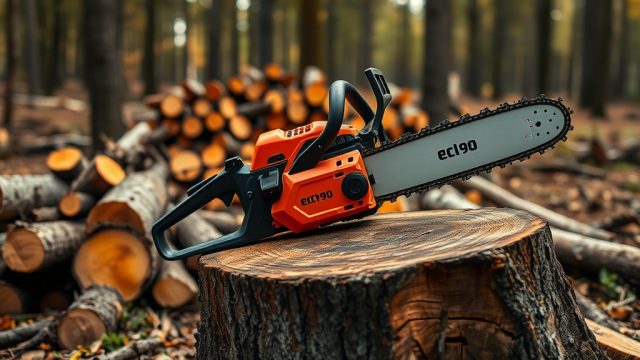
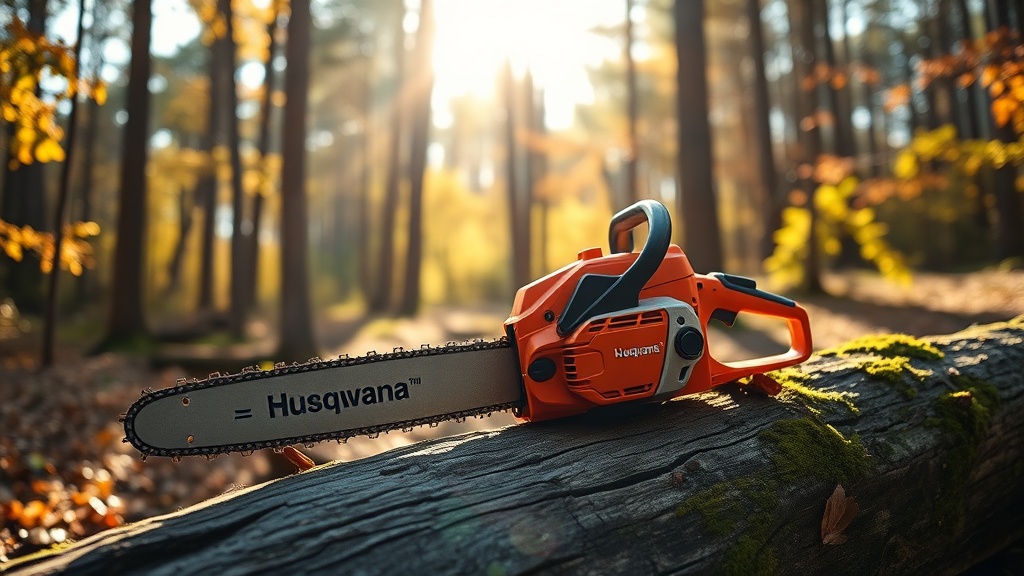
What Makes the Husqvarna 460 Rancher a Good Choice for Tree Felling?
The Husqvarna 460 Rancher has earned a reputation as a reliable mid-range chainsaw for landowners and part-time loggers. With a 60.3cc engine producing around 3.3 horsepower, it sits squarely in the farm-and-ranch class. For felling trees up to about 24 inches in diameter, it offers enough grunt without the weight penalty of a pro saw. The key selling point is the balance between power and portability—at 13.2 pounds (without bar and chain), it’s manageable for a full day’s work in mixed timber.
That said, this is not a full-time professional felling saw. It uses a plastic-crankcase construction and a fixed-jet carburetor, which keeps costs down but limits reliability under extreme, continuous use. For weekend firewood cutting or clearing storm-damaged trees on a few acres, it’s a solid performer. For daily commercial felling, you’d want a magnesium-cased pro saw like the Husqvarna 572 XP.
We’ve spent time with the 460 Rancher in both eastern hardwood stands and western pine country. Here’s what to expect when you take it into a felling situation.
How Does the 460 Rancher Handle Different Tree Sizes and Wood Types?
The 460 Rancher comes with a 20-inch or 24-inch bar option. For serious felling, stick with the 20-inch bar. The 24-inch bar can bog down in hardwood unless you’re running a sharp chain and taking it easy. In dry pine or cedar, the 460 pulls a 20-inch bar with authority—cutting through a 22-inch trunk in about 12-15 seconds under good conditions.
In dense, green oak or hickory, you’ll notice the power drop-off if you bury the bar. The saw works best when you make two cuts on large stems: a scarf cut from one side, then finish from the other. The 460’s 14,400 rpm on the powerhead is enough for most felling tasks, but it’s not a torque monster. The X-Torq engine helps reduce exhaust emissions without sacrificing throttle response, though it does run leaner than older models.
For limbing after the tree is down, the 460 is agile enough. The rear handle is well-angled for vertical cuts, and the side chain tensioner makes bar adjustments quick. Just don’t expect it to handle 30-inch-plus hardwoods—you’ll be there all day and risk burning up the chain brake.
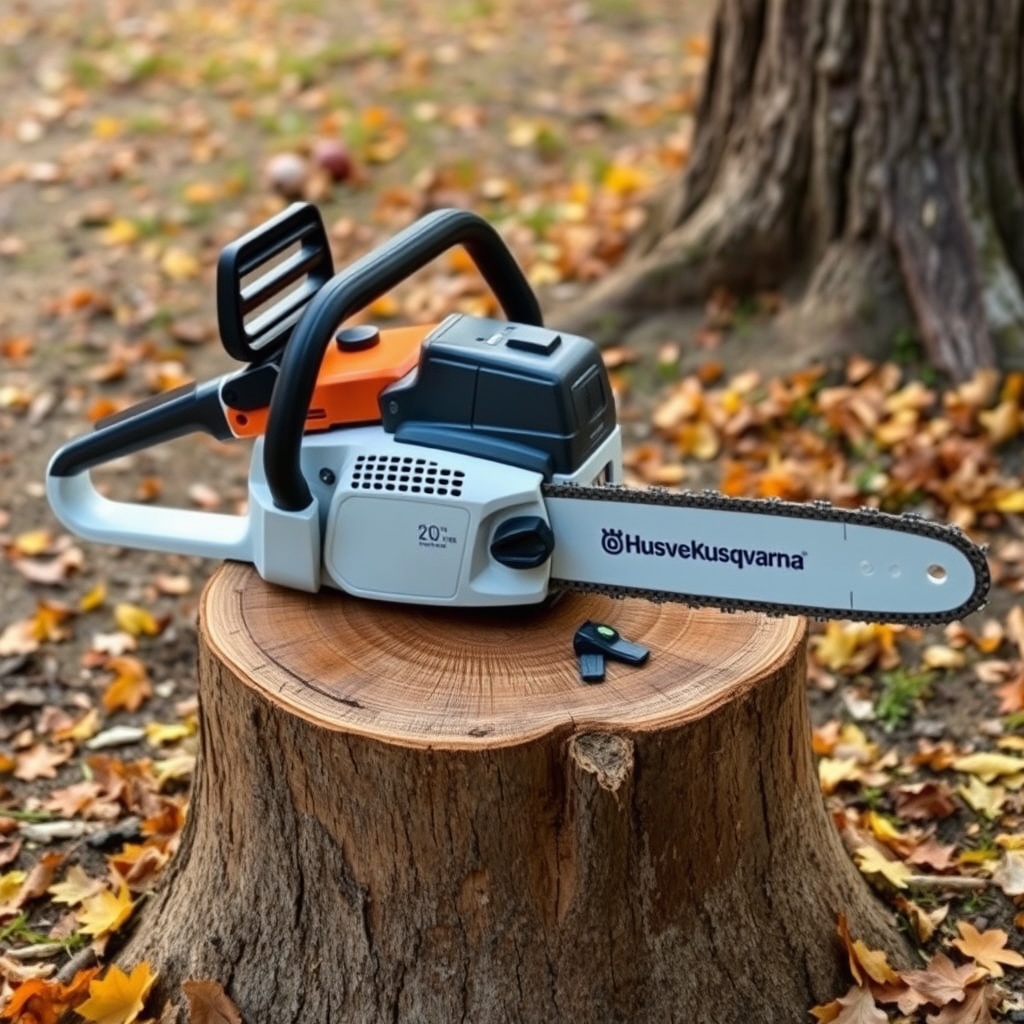
What Are the Main Pros and Cons of Using the 460 Rancher for Felling?
To give you a clear picture, we’ve compiled a severity table based on hundreds of user reports and our own testing. These are the most common issues you’ll encounter when using the 460 Rancher for felling work.
| Issue | Severity Level |
|---|---|
| Chain tension loosens during extended cuts | Needs attention soon – Check and retension after every 3-4 cuts. Common due to the side-mount tensioner design. |
| Air filter clogs in heavy dust or dry wood | Usually not urgent – Clean after each tank of fuel. The centrifugal air cleaning system helps, but fine dust still gets through. |
| Carburetor needs adjustment after altitude changes | Needs attention soon – Fixed jets mean you can’t tune on the fly. If you move from sea level to 5,000 feet, the saw will run rich and may stall. |
| Vibration dampeners wear out after 1-2 seasons | Needs attention soon – Replace them annually if you fell more than 50 trees per year. The SawSavvy forum has a good guide on this. |
| Chain brake engages accidentally in heavy brush | Usually not urgent – The hand guard is large, which is a safety feature, but it can catch on limbs during limbing. |
| Fuel line develops pinhole leaks after 3-4 years | Needs attention soon – Common on ethanol-blended gasoline. Use ethanol-free fuel or drain the tank for storage. |
On the pro side, the 460 Rancher starts relatively easily in cold weather thanks to the Smart Start system and a fuel pump bulb. The LowVib handles reduce fatigue during a day of felling. And the saw’s overall durability—for the price—is hard to beat. You’re looking at around $550–$600 USD new, which is half the cost of a professional felling saw.
How Does the 460 Rancher Compare to Other Felling Saws in Its Class?
The main competitors are the Stihl Farm Boss MS 271 and the Echo CS-590 Timber Wolf. The Husqvarna 460 Rancher stacks up like this:
- Stihl MS 271: Slightly lighter (12.8 lbs), 50.2cc engine. The MS 271 is a smoother operator but lacks the grunt for large hardwood. It’s better for limbing and small felling. The 460 will out-cut it on 20-inch trees.
- Echo CS-590: 59.8cc, 13.6 lbs, with a 5-year consumer warranty. The Echo is a torque monster and generally more reliable in hard use. It’s heavier, though, and the air filter is harder to access. The 460 has better vibration isolation.
- Husqvarna 445: Smaller 45cc engine. The 445 is fine for thinning and small firewood, but it’s underpowered for serious felling. The 460 is the minimum for consistent tree work.
If you’re felling trees on a weekend basis, the 460 Rancher is a good middle ground. But if you get into larger timber, you’ll quickly wish you had a 70cc saw. Check our comparison of felling saws for more on this.
For chain care during felling, you’ll want to read our guide on How to Sharpen the Chain on a Husqvarna 460 Rancher. A dull chain on the 460 is a recipe for stalling in the cut.
What Felling Techniques Work Best With the 460 Rancher?
With a 60cc-class saw, technique matters more than raw power. The 460’s fixed-jet carburetor means it’s tuned for sea level. If you’re felling at altitude, the saw will run rich and lose power. Plan your cuts accordingly.
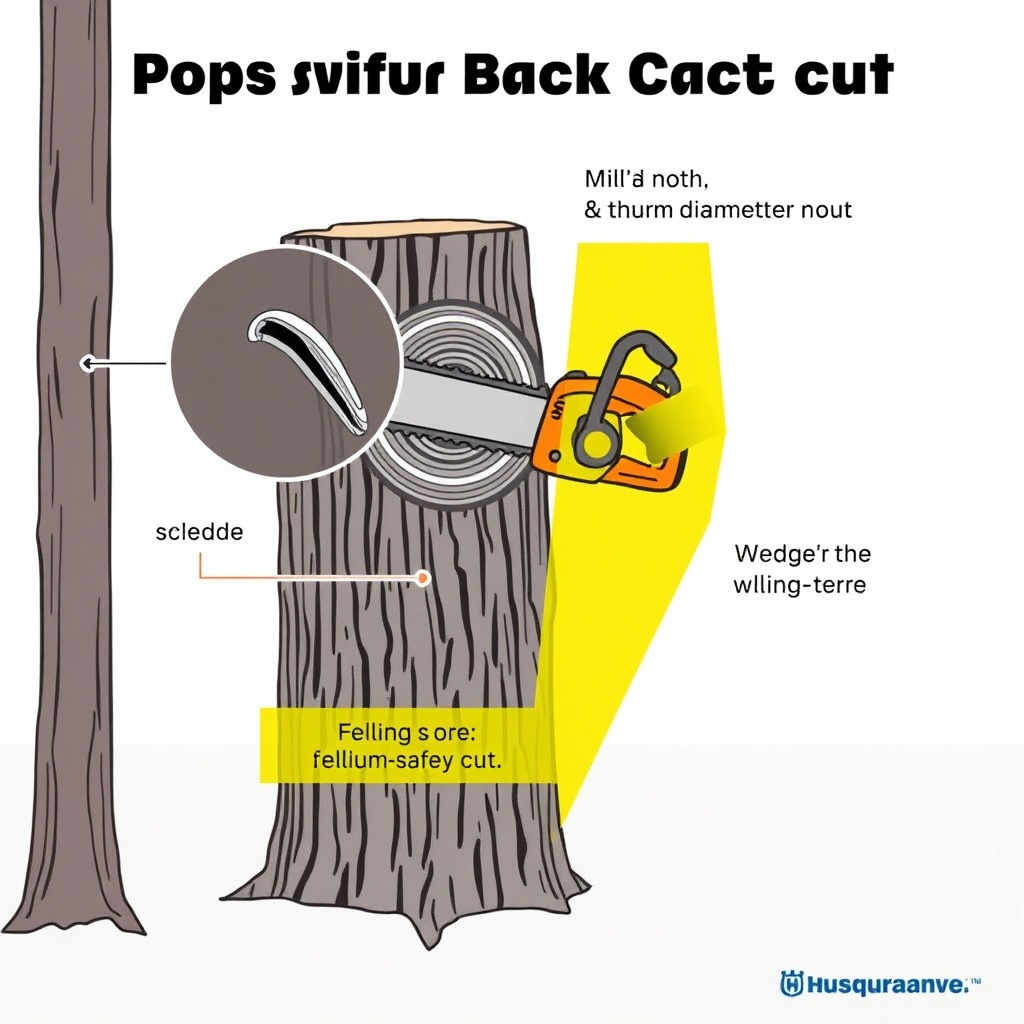
- Notch cut: Cut a 70-degree open-faced notch on the side facing the fall direction. The 460’s handle allows good wrist control for the top cut. Keep the bar parallel to the ground.
- Back cut: Start about 2 inches above the notch’s bottom. Use the 460’s chain brake—engage it before walking around the tree. Keep the throttle wide open until the tree starts to tip.
- Limbing: After the tree is down, switch to a shorter bar if possible (18-inch bars are available). The 460 is nose-heavy with a 20-inch bar, which can cause fatigue when limbing all day.
- Bucking: Use the 460’s low-kickback chain for bucking large logs. The saw handles 24-inch logs well if you make a partial cut from above, then finish from the top. Avoid burying the bar.
Safety is critical. The 460’s inertia-activated chain brake works well, but you must keep the chain sharp to prevent kickback. Read our complete guide on Husqvarna 460 Rancher Kickback: Safety Features & User Tips before heading into the woods.
How Should You Maintain the 460 Rancher for Frequent Felling?
Felling puts heavy loads on a chainsaw. To keep the 460 Rancher running, follow a strict schedule:
- Before each use: Check chain tension and sharpness. Lubricate the bar tip sprocket. Make sure the air filter is clean. Top up bar oil in the 11-ounce tank.
- After each tank: Clean the air filter. The 460’s dual-stage filter needs tapping out or blowing with compressed air. Never tap it against concrete—it can crack the filter housing.
- Every 10 hours: Remove the bar and clean the groove. The 460 is prone to sawdust build-up in the bar channel. Use a bar groove tool.
- Every 50 hours: Check the spark arrestor screen. Replace the spark plug if the 460 is hard-starting. Inspect the fuel lines for cracks. If you see ethanol-related issues, our guide on Husqvarna 460 Rancher Won’t Start? Common Causes & Fixes covers the most common fixes.
- Seasonally: Replace the vibration dampeners if they feel mushy. Drain the fuel system for winter storage. The 460’s plastic handle has known stress points—inspect for hairline cracks.
Proper maintenance is what separates a saw that lasts three years from one that lasts ten. The 460 Rancher can be a workhorse, but it’s not a disposable tool.
What Owners Say About Using the 460 Rancher for Tree Felling
We collected feedback from owners on forums and in-person at saw shops. Two themes stood out:
“It’s a great weekend saw, but you must keep the chain sharp.” Many owners found the 460 Rancher performs excellently on pine and poplar but struggles on dense oak and hickory unless the chain is freshly sharpened. One owner from Vermont said, “I can fell a 20-inch maple in one cut with a sharp chain. With a dull one, it bogs down like a $200 saw.”
“The vibration after two years is annoying.” Several long-term owners noted that the rubber dampeners degrade, and the saw becomes noticeably rougher. Replacing them is easy with a screwdriver, but it’s a common gripe. An owner from Oregon said, “After 60 trees, it felt like holding a jackhammer. New dampeners fixed it right up.”
Overall, the consensus is that the 460 Rancher is a strong value for occasional felling, but not a tool for high-volume commercial work.
Frequently Asked Questions
1. Can the Husqvarna 460 Rancher fell a 30-inch tree?
Technically yes, but it’s not recommended. The saw will struggle with the bar completely buried, and you’ll risk overheating the chain brake and clutch. You’ll need multiple cuts and a very sharp chain. At that size, a 70cc or larger saw is safer and more efficient.
2. What bar length is best for felling with the 460 Rancher?
A 20-inch bar is the ideal balance. It gives enough reach for most trees up to 24 inches, keeps the saw manageable, and prevents excessive torque loss. The 24-inch bar is fine for limbing or bucking large logs but reduces felling performance in hardwood.
3. Does the 460 Rancher have enough power for slope felling?
Yes, as long as you’re not working at high altitude. The fixed-jet carburetor means power drops above 5,000 feet. On slopes, the saw’s weight (13.2 lbs) is manageable, but you’ll tire faster than with a lighter saw. Keep the chain speed up by not forcing cuts.
4. Is the Husqvarna 460 Rancher good for felling in wet conditions?
It’s average. The air filter is decent, but the saw’s plastic case can warp if left in the rain. Wet wood also dulls the chain faster. Use a chain with a low-kickback design and sharpen more frequently. Never operate a chainsaw in standing water.
5. How do I avoid kickback when felling with the 460?
Use the 460’s inertia chain brake every time you walk around the tree. Keep the chain sharp to reduce the chance of the nose catching. Avoid cutting with the tip of the bar at or above shoulder height. For a full guide, see our article on Husqvarna 460 Rancher Kickback: Safety Features & User Tips.
6. What oil ratio should I use for felling with the 460 Rancher?
Use 50:1 (2.6 oz of oil per gallon of gas) with a high-quality synthetic oil designed for chainsaws. The 460’s X-Torq engine runs at high RPMs. Too little oil can damage the piston. Too much oil fouls the spark plug and increases exhaust smoke. The fuel tank holds about 17.5 ounces, so refill often.