How to Adjust Oil Flow on Echo CS-590 Timber Wolf
Proper chain lubrication is the difference between a smooth-cutting saw and one that burns up bars and chains in a single afternoon. The Echo CS-590 Timber Wolf comes from the factory with a fixed-displacement oiler, but its output can be tuned to match bar length, wood hardness, and weather conditions. In this guide, we’ll walk you through the process of adjusting the oil flow on your Echo CS-590 Timber Wolf, covering everything from locating the adjustment screw to verifying flow rates with simple field tests.
How Do You Find the Oil Flow Adjustment Screw on the Echo CS-590 Timber Wolf?
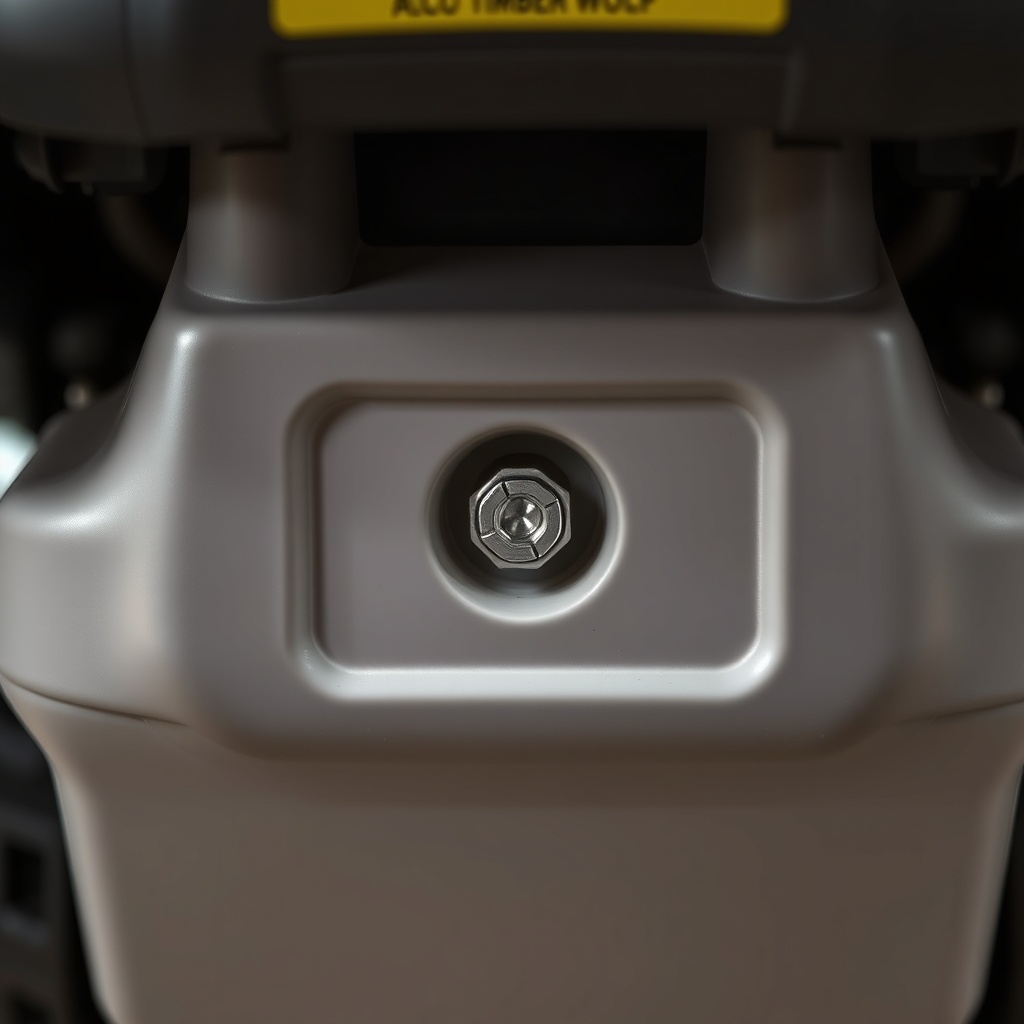
The CS-590 Timber Wolf’s oiler is driven by a worm gear that meshes with the crankshaft, so it pumps oil whenever the engine runs. The adjustment screw lives on the bottom of the saw, near the oil tank cap. Flip the saw over so the bar and chain face away from you. Look for a small, hex-head brass or steel screw recessed into the plastic housing just in front of the oil cap. On many CS-590 units, that screw is a 4mm Allen key or a flathead screw, depending on production year. It’s often painted black or tarnished from oil residue. If you’re having trouble spotting it, wipe the area clean with a rag—the screw sits in a shallow pocket that collects sawdust and bar oil gunk. This screw directly controls how much oil the pump pushes per revolution. Turn it clockwise (in) to reduce flow, counterclockwise (out) to increase it.
What Tools Do You Need to Adjust the Oil Flow on an Echo CS-590 Timber Wolf?
You don’t need a full tool kit. Most CS-590 Timber Wolf oiler screws take a 4mm hex key (Allen wrench). Some older models use a small flathead screwdriver—check yours before you start. Keep a clean rag handy to wipe away oil drips. A pair of mechanic’s gloves helps keep bar oil off your hands. If you want to measure flow precisely, grab a small measuring cup (a 30 mL shot glass works fine) and a stopwatch. You’ll also need standard Echo bar and chain oil (ISO 32 or 46 viscosity works best). Avoid using used motor oil—it’s too thin, damages the pump, and voids warranty. If your adjustment screw is seized from dried oil, a little penetrating oil (like WD-40) on the threads frees it up. Let it sit for five minutes before turning.
How Do You Adjust the Oil Flow on the Echo CS-590 Timber Wolf Step by Step?
First, make sure the saw is on a stable surface, engine off, and cool to the touch. Remove the bar and chain—this saves you from getting oil all over the chain and gives you a clear view of the oil outlet hole. Clean the area around the adjustment screw with a rag. Use your 4mm hex key to turn the screw: clockwise reduces flow, counterclockwise increases it. Full range is typically about 1.5 to 2 turns from stop to stop. Start with the screw turned all the way in (minimum flow), then back it out 1.5 turns as a baseline. Reinstall the bar and chain, tension properly, then start the engine. Let it idle for a minute to warm up the oil (cold oil flows slower). Hold the bar tip over a clean piece of cardboard or a white paper towel. Rev the saw to full throttle for 10 seconds. Look for a thin, consistent stream of oil hitting the cardboard—about 2–3 drops per second at idle, and a steady line at full throttle. If the oil stream is too thick or drips constantly, turn the screw in 1/8 turn and test again. If it’s barely wetting the cardboard, turn the screw out 1/8 turn. Adjust in small increments until you see a clean oil line on the cardboard after a 10-second full-throttle run.
| Symptom | Severity |
|---|---|
| Chain slips or jumps off bar during cutting | Needs attention soon—low oil can cause overheating and bar damage. |
| Oil dotted line on cut wood (not a continuous streak) | Usually not urgent—but check flow; adjust if it continues. |
| Oil puddling on ground after idle for 30 seconds | Needs attention soon—too much flow wastes oil and makes mess. |
| Chain still hot after 2 minutes of cutting (touch bar nose briefly while stopped) | Needs attention soon—insufficient lubrication; increase oil flow. |
| Oil residue on bar rails but no visible stream at idle | Usually not urgent—normal for cold oil; warm engine before testing. |
What Is the Correct Oil Flow Rate for the Echo CS-590 Timber Wolf at Different Temperatures?
Oil viscosity changes dramatically with temperature. In summer (ambient above 70°F/21°C), the CS-590’s pump pushes ISO 46 oil easily. At full throttle, you should see about 15–20 mL per minute—enough to leave a wet line on a branch after one cut. In winter (below 40°F/4°C), the oil thickens. You might need to turn the adjustment screw out an extra 1/4 to 1/2 turn to maintain the same flow. Some owners switch to ISO 32 oil in cold months to avoid having to tweak the screw twice a day. The factory setting (1.5 turns out from closed) is calibrated for ISO 46 at around 60°F (15°C). If you’re cutting in 90°F (32°C) heat, you can get away with backing it out 1/8 turn for heavy cuts. If you’re in the 30s, turn the screw out a full half turn to compensate for thick oil. Always let the saw run for 30 seconds before testing flow after any adjustment—cold oil misleads you into thinking flow is low.
How Do You Test Oil Flow on the Echo CS-590 Timber Wolf Without Removing the Bar?
If you don’t want to remove the bar and chain every time, use the cardboard test. Place a clean piece of corrugated cardboard on the ground. Fire up the saw, let it idle for 20 seconds, then rev it to full throttle while holding the bar tip about 3 inches from the cardboard. Keep the saw steady for 10 seconds, then shut it off. Look at the oil pattern: a steady, narrow line (about 1/8 inch wide) means flow is good. If the line is splotchy or absent, the oiler needs more flow. If the pattern is a wide, wet blob, you’re over-oiling. Another quick test: after cutting a few pieces of dry firewood, wipe the bar rails with a rag. If the rag comes away shiny with oil, flow is adequate. If it’s dry, increase flow. If the chain flings oil in a mist around the cutting area and leaves a wet patch on your pants, decrease flow. The Echo CS-590’s oil tank holds 8.5 fl oz (250 mL), so you can also time how long a full tank lasts. At normal flow, a tank should last about 30–40 minutes of intermittent cutting. If it’s emptying in 15 minutes, you’re over-oiling. If it takes an hour, you’re under-oiling.
What Do Owners Say About Adjusting Oil Flow on the Echo CS-590 Timber Wolf?
Owner reports on forums and review sites reveal two common experiences. First, many owners note that the factory setting is often a little lean—especially for bars longer than 20 inches. One owner wrote: “I run a 24-inch bar on my CS-590. Out of the box, I got maybe 10 mL per minute. Turned the screw out one full turn and now I see a proper stream. No more hot chain.” Second, some owners mistakenly turn the adjustment screw the wrong way. A typical comment: “I thought I had to turn it out to reduce flow because that’s how my old Husky worked. Wondered why the chain was dripping oil everywhere. Read the manual: clockwise reduces flow on Echo.” A third observation is that the screw can loosen on its own after extended vibration. One owner reported: “After two years of heavy use, I noticed oil dripping at idle. Checked the screw—it had vibrated a half turn open. Tightened it back and everything was fine. Worth checking every oil change.”
Frequently Asked Questions About Echo CS-590 Timber Wolf Oil Flow Adjustment
1. Can I adjust the oil flow on an Echo CS-590 Timber Wolf while the engine is running?
No. Always shut the engine off and let the saw cool before turning the adjustment screw. The screw is close to the muffler and exhaust—you risk burns, and you can strip the threads if the pump is hot and under pressure.
2. What happens if I turn the oil flow screw too far in either direction?
If you turn it fully clockwise, you will stop all oil flow—this will quickly damage the bar and chain from heat and friction. Turning it fully counterclockwise opens the pump to maximum flow, which drains the tank fast and creates a messy oil spray. Stay within 1/8 turn increments after the factory baseline.
3. Does the Echo CS-590 Timber Wolf have an adjustable oil pump?
Yes. The CS-590 uses a fixed-displacement worm-drive pump with an external adjustment screw. It is not a variable-rate pump that changes with engine RPM—it simply pumps more oil the faster the engine spins. The screw only limits how much oil can pass through the restrictor.
4. Why is my Echo CS-590 Timber Wolf not oiling the chain at all?
First, check the adjustment screw—if it’s turned all the way in, that’s your problem. Also inspect the oil tank cap vent (a clogged vent can create a vacuum lock). Remove the bar and clean the oil hole in the bar pad. A plugged hole from sawdust or dried oil blocks flow. Finally, verify the pump gear is intact—a broken worm gear means no oil movement.
5. Should I use bar and chain oil or motor oil in my CS-590 Timber Wolf?
Use dedicated bar and chain oil (ISO 32–46 viscosity). Motor oil is too thin, doesn’t have tackifiers to stick to the chain, and can cause the pump to wear faster. Echo recommends their own bar oil or equivalent—it’s available at most home centers for about $8 to $12 per quart.
6. How often should I check the oil flow on my Echo CS-590 Timber Wolf?
Check it every time you refill the oil tank. Before you start cutting, run the saw at full throttle for 10 seconds over a clean surface and look for the oil line. Also inspect the oil flow after changing bar length or switching to a different oil viscosity.
For more maintenance and operation tips on the Echo CS-590 Timber Wolf, check out our other guides: Echo CS-590 Timber Wolf Cold Start Procedure: Step-by-Step helps you avoid flooding on chilly mornings. If you’re comparing options, read Echo CS-590 Timber Wolf vs Stihl MS 261 C-M: Which Is Best for Firewood? for a head-to-head comparison. And before you buy, see our Echo CS-590 Timber Wolf Buying Guide: Is It Right for You? for full specs and owner insight.