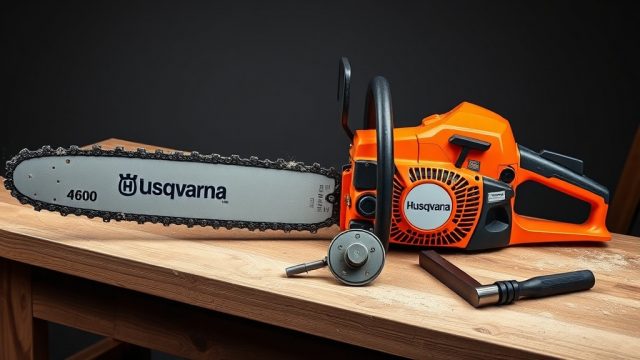
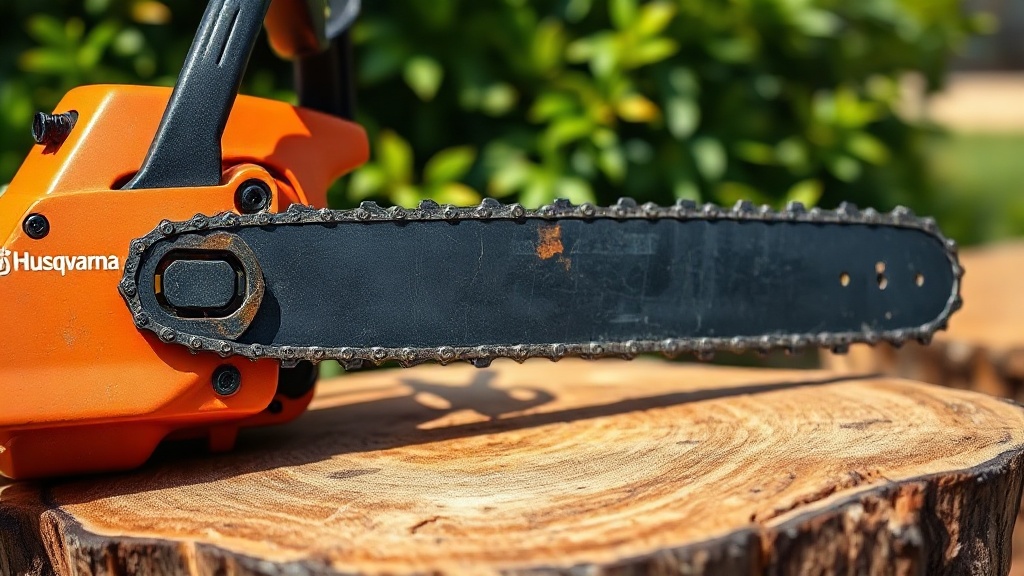
Introduction: Why Chain Tension Matters on the Husqvarna 460 Rancher
A properly tensioned chain is the difference between a clean, safe cut and a frustrating, dangerous experience with your Husqvarna 460 Rancher. This 60.3cc powerhouse delivers up to 3.5 horsepower, but that raw energy is useless if the chain is too loose, risking derailment or kickback, or too tight, causing excessive wear and potential bar damage. In this guide, we’ll walk through every step of chain tensioning, common pitfalls, and how to maintain optimal performance for this popular homeowner and farm saw. For a deeper dive into chain care, check out our article on How to Sharpen the Chain on a Husqvarna 460 Rancher.
Why Does the Husqvarna 460 Rancher’s Chain Stretch or Loosen?
Chain stretch isn’t a material failure—it’s a natural result of heat, friction, and the chain’s rivets and drive links bedding in during use. On the Husqvarna 460 Rancher, the 0.325-inch pitch chain operating on a 18- to 24-inch bar experiences significant load during felling and bucking. New chains often require adjustment after the first few cuts as the parts settle. Additionally, inconsistent lubrication, a dull chain causing more friction, or even a worn sprocket tip can accelerate looseness. Understanding these causes helps you preemptively check tension rather than waiting for the chain to flop.
A loose chain on this model increases the risk of the saw binding or the chain jumping off the bar, which can damage the drive sprocket or cause injury. Heat from continuous cutting also expands the chain temporarily; when it cools, it may appear looser. For more on preventing such issues, see our Husqvarna 460 Rancher Kickback: Safety Features & User Tips.
What Tools Do You Need to Tension the Chain on a Husqvarna 460 Rancher?
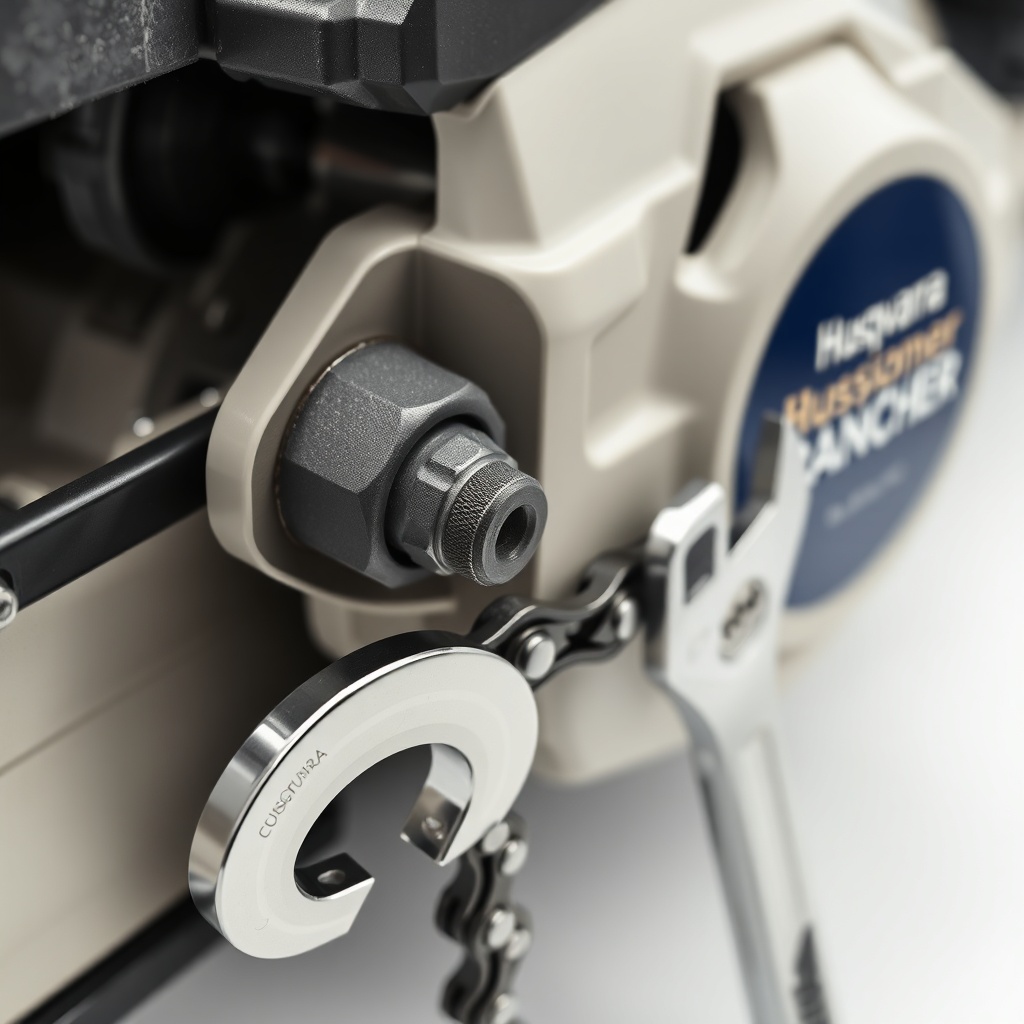
The Husqvarna 460 Rancher features a side-access chain tensioning system, often called “Side-Side” or “Quick-Release,” which simplifies adjustments without tools beyond what’s included. Here’s what you need:
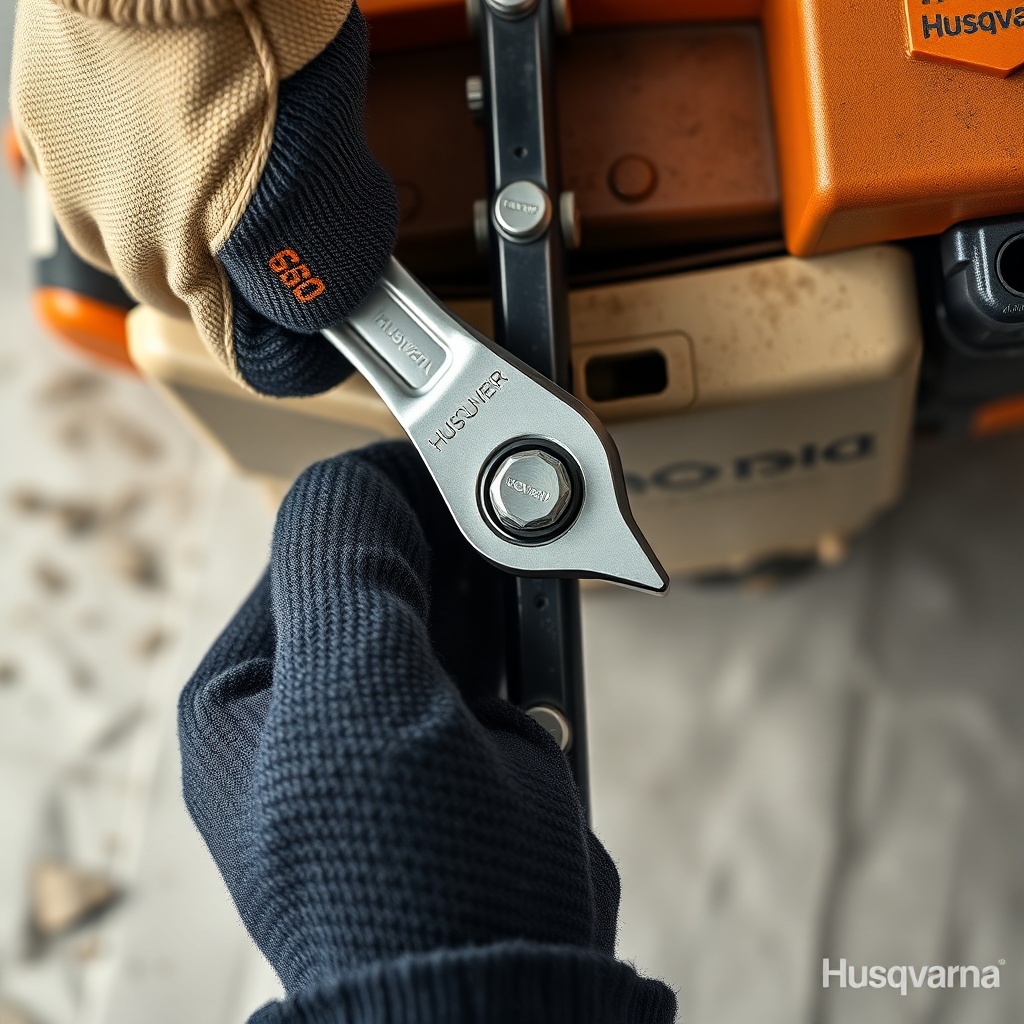
- Combination wrench (screwdriver/spark plug tool): Included with the saw. Use the flathead side for the bar nuts and the hex side for the tensioning screw.
- Bar nuts (2): Located on the side cover. Use the wrench to loosen them slightly (about 1/2 turn) without removing them completely.
- Chain tensioning screw: Found on the front of the saw near the bar. Turn clockwise to tighten, counterclockwise to loosen.
- Gloves (optional but recommended): For handling the chain safely.
- File or gauge (optional): To check chain sharpness while adjusting.
One advantage of the Husqvarna 460 Rancher is that you don’t need additional wrenches—the included tool is sufficient. However, keep the tool clean and stored in the saw’s compartment after use. For more comprehensive maintenance, our Husqvarna 460 Rancher Carburetor Adjustment & Tune-Up Guide covers the full picture.
How Do You Check the Current Chain Tension Correctly?
Before adjusting, you need to know whether the chain is too loose or too tight. On a Husqvarna 460 Rancher, the correct tension is measured by pulling the chain away from the bar’s bottom rail. Follow these steps:
- Safety first: Ensure the saw is off, the brake is engaged, and the engine is cool. Disconnect the spark plug wire if working near the sprocket.
- Inspect the chain: Look for sagging on the underside of the bar. The chain should not droop more than 1/8 inch (3 mm) from the bar’s rail.
- The pull test: Grasp the chain at the midpoint of the bar (on the top side) and pull upward. You should be able to lift the chain so that the drive links are just visible in the bar groove—about 1 to 3 mm of play.
- Spin the chain by hand: It should rotate freely around the bar without binding. If it feels stiff or catches on the sprocket, it’s too tight.
Note: On a longer bar (like 24 inches), the chain may feel slightly looser at the tip due to bar flex, but the tension should be consistent. Never adjust a hot chain, as thermal expansion can lead to overtightening when it cools.
A common mistake is pulling the chain too hard; this can cause misreading. Always use your dominant hand and a steady grip. If the chain routinely loosens within minutes of cutting, the bar groove or sprocket may be worn—consider replacing the bar if it’s more than one season old.
What Is the Step-by-Step Process to Tension the Chain on a Husqvarna 460 Rancher?
Here’s the exact procedure for the 460 Rancher, leveraging its side-access system. This method avoids removing the bar completely unless you’re cleaning or flipping it.
| Step | Action | Key Details |
|---|---|---|
| 1 | Stop the engine and engage the chain brake. Disconnect spark plug wire from the boot. | Let the saw cool for 5 minutes if used recently. A cold chain is safer to adjust. |
| 2 | Loosen both bar nuts approximately 1/2 turn using the combination wrench’s socket end. | Do not remove the nuts. The side cover must stay mounted but loose enough to move the bar. |
| 3 | Locate the tensioning screw (usually at the front of the case near the bar tip). Use the flathead side of the wrench to turn clockwise. | Turn slowly—1/4 turn increments—and check tension after each adjustment. |
| 4 | Pull the bar forward gently with one hand while turning the tensioning screw with the other. This ensures the bar is fully seated at the rear as the chain tightens. | The bar should not be forced; just apply slight forward pressure to keep the chain snug. |
| 5 | Stop tightening when the chain is snug but not rigid. Perform the pull test (see above). | If the chain is too tight, turn the screw counterclockwise 1/8 turn and retest. |
| 6 | Hold the bar in position (retract forward pressure) and tighten the two bar nuts securely. Use the wrench to apply firm, even torque—do not overtighten. | Typically 15-20 Nm of torque; finger-tight plus a 1/4 turn with the wrench is sufficient. |
After tightening the nuts, spin the chain manually again to confirm it moves freely. If you hear scraping or feel resistance, back the tension off slightly. Time needed: about 3 to 5 minutes once you’re experienced. For a new chain, check tension after the first 10 minutes of cutting, then again after an hour. For more on maintaining your saw, see Husqvarna 460 Rancher Won’t Start? Common Causes & Fixes if you run into ignition issues.
How Often Should You Tension the Chain on a Husqvarna 460 Rancher?
The frequency depends on usage, but a general rule for the 460 Rancher is to check tension every time you refuel the saw—or about every 30 to 45 minutes of active cutting. During break-in of a new chain, adjust after the first 5 cuts, then again after 15 minutes. Once the chain stabilizes, weekly checks suffice for moderate use. Signs that indicate immediate adjustment include:
- Visible sag: Chain droops more than 1/8 inch (3 mm) from the bar’s bottom rail.
- Chain spreads: The chain wobbles or appears to have gaps between the cutting teeth and bar.
- Drift during cuts: The saw pulls to one side when cutting straight.
- Increased vibration: If the chain is too loose, the saw may shudder.
Environmental factors matter too: cutting in dirty or sandy conditions accelerates chain wear and stretch, requiring more frequent tensioning. When storing the saw for weeks, it’s wise to slightly loosen the chain to reduce strain on the bar and sprocket. Always re-tension before the next use—cold metal shrinks slightly, potentially overtightening if stored tight.
What Not to Do When Tensioning the Chain
Common mistakes on the Husqvarna 460 Rancher can lead to chain damage or safety hazards:
- Don’t tighten the chain when the bar nuts are fully tight. This strains the tensioning screw and can strip the threads. Always loosen bar nuts first.
- Don’t overtighten: A chain that’s too tight puts excessive load on the bar, sprocket, and engine bearing. It also generates heat, accelerating wear.
- Don’t skip the pull test: Relying on feel alone can mislead. Use the measured 1 to 3 mm lift as a standard.
- Don’t forget to check the bar rail: A worn bar groove (gauge mismatch) causes the chain to tension unevenly. If the chain sits too deep or too shallow, replace the bar.
- Don’t lubricate the tensioning screw with grease: This attracts debris and can gum up the mechanism. Use a light oil if needed.
If you encounter difficulty turning the tensioning screw (e.g., rust or dirt), clean the screw slot with a wire brush and lightly oil it. For comprehensive felling advice, read our Husqvarna 460 Rancher for Tree Felling: Pros, Cons & Tips.
What Owners Say About Chain Tension on the Husqvarna 460 Rancher
Real-world feedback from 460 Rancher owners highlights a few consistent themes. Many praise the side-access system for making adjustments faster than older rear-access models. A typical user says: “I can tweak the tension in under a minute without even removing the bar cover. It’s a dream compared to my old Stihl.” However, some note that the plastic chain cover clips can loosen over time, requiring occasional tightening of the bar nuts. Others caution that the included combination wrench is small and can be dropped easily—consider a larger T-wrench for quicker action.
Owners who work in cold climates report that the chain seems to loosen more frequently in winter due to metal contraction. A common tip is to store the saw indoors when below freezing and adjust the chain at ambient temperature. On the flip side, those who cut large hardwoods like oak find that the chain stretches faster than on softwoods—some adjust after every 30 minutes of heavy use. Overall, the community agrees that once you learn the “sweet spot,” the 460 Rancher holds tension reliably for a saw in its class.
For safety, one owner emphasizes: “I always check tension before every cut session, especially after sharpening. A loose chain on a 60cc saw is a broken leg waiting to happen.” This reinforces the importance of consistent maintenance.
Frequently Asked Questions
Q: Can I tension the chain while the engine is hot?
No. Cool the saw for 5 minutes first. Hot chain expansion can lead to overtightening after it cools, potentially damaging the bar or sprocket.
Q: How tight is too tight on a Husqvarna 460 Rancher?
If you cannot pull the chain away from the bar by 1 to 3 mm at the midpoint, it’s too tight. Also, if the chain grips the bar and doesn’t spin freely by hand, loosen immediately.
Q: What is the correct chain tension measurement in practical terms?
With the saw off, grasp the chain at the middle of the bar (top side) and lift. The chain should rise just enough to show the drive links clearly in the groove—no more than 3 mm of lift.
Q: Do I need to remove the bar to clean or flip it while tensioning?
Not for routine tensioning. But for bar maintenance (cleaning the groove, flipping the bar to even wear), you should remove the bar completely. Then reassemble and tension fresh.
Q: Why does my chain keep loosening after every 15 minutes of cutting?
This typical of a new chain (break-in) or a bar with a worn groove. Check the bar rail height and replace if worn. Also ensure the chain is properly sharpened—dull chains create friction that stretches the chain faster.
Q: Can I use WD-40 on the tensioning screw?
Not recommended. WD-40 attracts dust and can gum up the threads over time. Use a drop of machine oil or silicone spray if needed. Clean the screw slot with compressed air before adjusting.