What Makes the Husqvarna 460 Rancher Prone to Kickback?
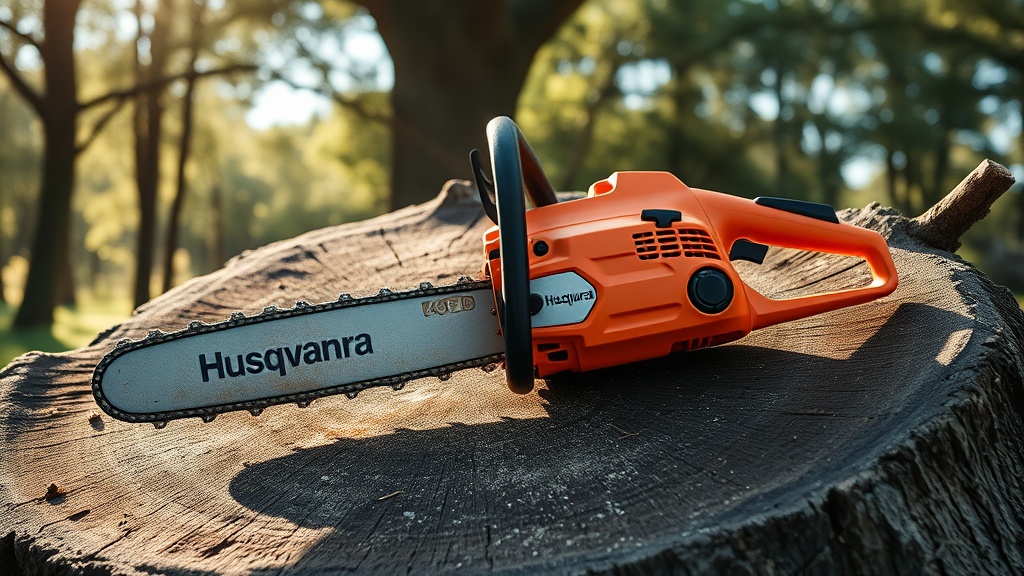
The Husqvarna 460 Rancher is a robust, high-torque saw designed for firewood processing and light-to-medium fellings. Its 60.3cc X-Torq engine delivers serious chain speed, which, combined with a standard 20-inch bar and 3/8-inch pitch chain, creates substantial inertia when the nose of the bar contacts wood, metal, or dirt. Kickback on this model typically happens when the upper quadrant of the bar nose strikes an object during a cut, causing a violent, upward rotation of the saw toward the operator. The risk is elevated with longer bars (up to 24 inches) because the longer bar increases leverage. Many owners report that kickback on the 460 feels more aggressive than on smaller homeowner saws—the extra power means the saw has more force to transfer into the operator’s hands if the chain catches improperly.
To minimize this, Husqvarna includes a chain brake with a two-step activation system—it engages either manually by flipping the front hand guard forward or automatically if the saw accelerates suddenly (as in a kickback event). However, the chain brake’s responsiveness depends on proper chain tension and bar oiling. A loose chain can slip off the bar and snag, while insufficient oiling increases friction, leading to erratic chain movement that can trigger false brake activations or, worse, delayed response during an actual kickback.
How Does the Husqvarna 460 Rancher’s Chain Brake Actually Work?
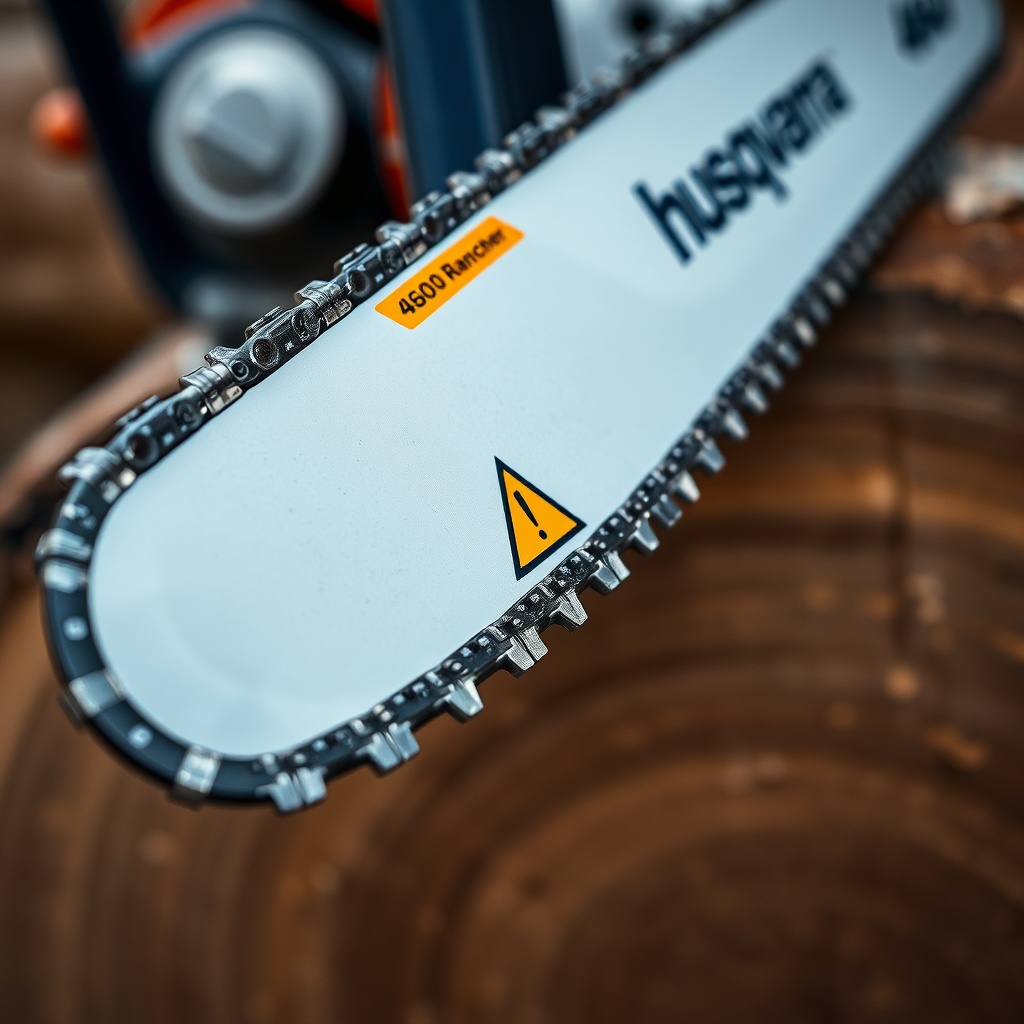
The chain brake on the 460 Rancher is a centrifugal clutch-driven system combined with a mechanical inertia mechanism. Under normal operation, the brake band is disengaged from the clutch drum, allowing the chain to rotate freely with the engine speed. When the saw experiences a sudden rotation around the rear handle (as happens during a kickback), a weighted inertia trigger inside the brake mechanism is thrown forward, tripping the brake band to clamp down on the drum, stopping the chain within milliseconds. This is the same design used on larger Husqvarna pro saws, meaning it’s generally reliable—but the trigger requires a specific rotational vector to activate. A straight-on nose contact (like hitting a rock hidden in bark) may not provide enough rotational torque to trip the brake instantly, which is why user technique remains critical.
Practically, you should test the brake before each cut: start the saw, rev it to full throttle, and deliberately bump the front hand guard forward with your left wrist. You should hear a clunk and see the chain stop completely within one second. If the brake feels spongy or doesn’t lock the drum within two seconds, the brake band may be glazed (common after prolonged use in dirty conditions) or the tension spring could be stretched. Replacing the brake band annually—or every 50 hours of heavy use—is a smart maintenance step that many owners skip.
Refer to our Husqvarna 460 Rancher felling guide for proper cutting angles that help avoid nose contact scenarios.
| Symptom | Severity |
|---|---|
| Chain brake fails to engage within 2 seconds of full-speed hand guard tap | Needs attention soon – inspect brake band and spring |
| Chain brake auto-engages randomly during cuts | Usually not urgent – likely caused by loose chain or debris in brake mechanism |
| Brake handle feels sticky or requires excessive force to reset | Needs attention soon – clean or replace brake band assembly |
| Chain runs free with brake engaged (audible grinding) | Needs attention soon – brake band worn or drum damaged |
| Occasional kickback but brake activates correctly | Usually not urgent – focus on user technique and chain sharpness |
Which Bar and Chain Setup Reduces Kickback on the 460 Rancher?
Husqvarna ships the 460 Rancher with a 20-inch bar and a 3/8-inch pitch, 0.050-inch gauge chain—typically the Husqvarna H30 or H39 low-kickback chain. The H30 chain has safety links with built-in depth gauge ramps that control bite, while the H39 is a full-chisel square-ground profile that cuts faster but is more prone to kickback. For maximum kickback reduction, stick with the H30 or upgrade to a Husqvarna PowerCut chain, which includes narrow cutters and semi-skip links. However, many firewood cutters prefer the H39 for its speed; if you go that route, be extra disciplined about keeping the depth gauge set to 0.025 inches below the cutter—excessively high depth gauges are the single biggest contributor to kickback aggression on any chain.
Bar length also matters. The 460 Rancher can run bars from 18 to 24 inches. A 24-inch bar increases tip weight and leverage, making kickback more likely if you cut with the nose. For most general firewood cutting, an 18- or 20-inch bar provides the best balance of control and reach. A 20-inch bar with a semi-skip chain is my personal recommendation for reducing kickback risk while retaining good chip clearance. Also, ensure your bar is straight and that the nose sprocket spins freely—a sticky nose sprocket increases friction and can cause the chain to grab unpredictably.
What Are the Best Stance and Grip Techniques for the 460 Rancher?
The Husqvarna 460 Rancher weighs about 13.2 pounds without bar and chain, and around 14.8 pounds with a 20-inch bar and full fuel tank—that’s moderately heavy for a home-use saw. Poor stance will amplify any kickback force. Stand with feet shoulder-width apart, left shoulder pointed toward the cut, and keep your arms braced against your torso. Never lock your elbows; keep them slightly bent to absorb shock. A common mistake is holding the front handle too loosely—grip it firmly with your left thumb wrapped under the handlebar, not over it. The front handle on the 460 has a large grip width (about 1.25 inches diameter) to encourage a full-fist grip, but many users still palm it, reducing control.
Always cut with the lower part of the guide bar (the “power section”) whenever possible. If you must cut with the tip (as in a plunge cut), do so with the saw at full speed, chain brake engaged, and a clear exit path. Practice the “forward lean” technique: keep your center of gravity directly over your feet, not leaning back away from the saw. A wide, stable base dramatically reduces the chance of being thrown off balance if the chain catches.
Check our how to sharpen the chain on a Husqvarna 460 Rancher guide—dull chains increase the force needed to complete a cut, making kickback more likely as the operator pushes harder.
What Maintenance Habits Directly Affect Kickback Risk on This Saw?
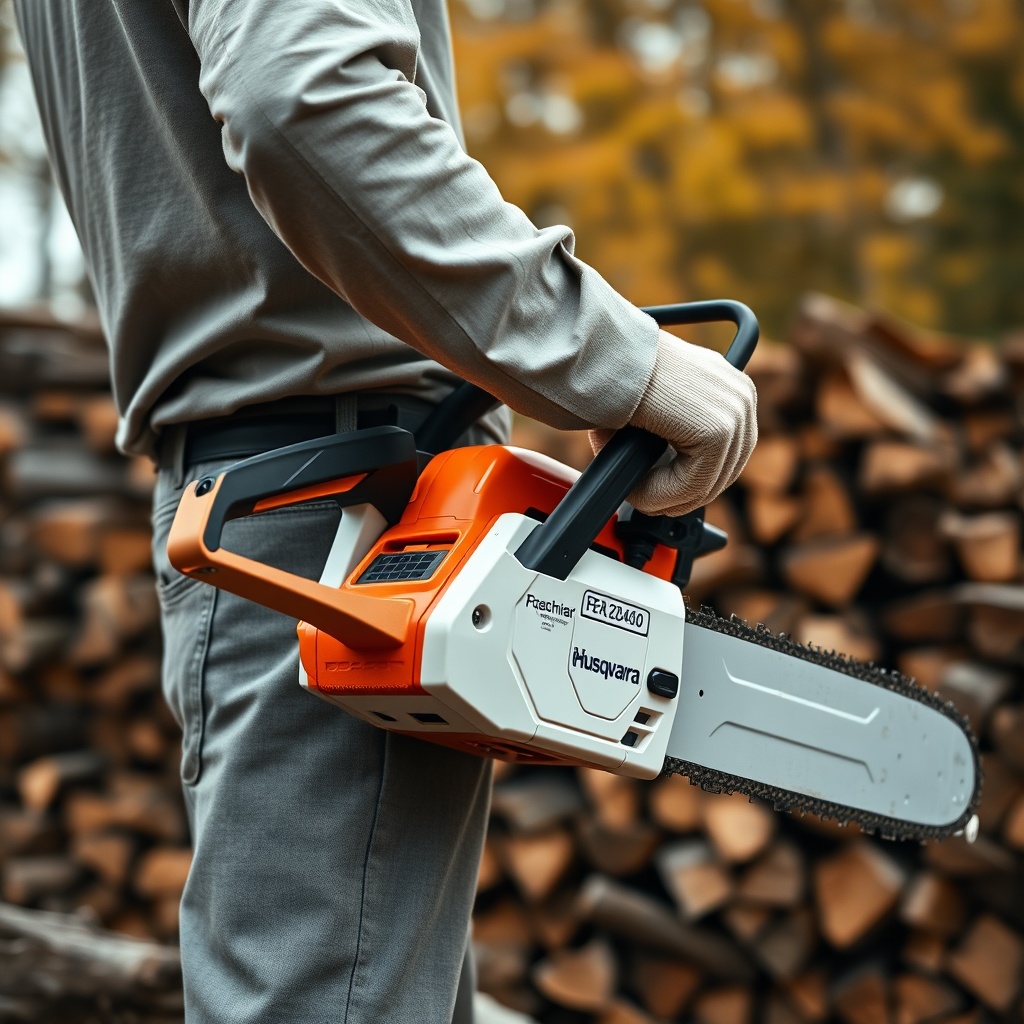
Three maintenance points tie directly to kickback safety. First, chain tension: a loose chain can derail and snag, causing a violent reaction. Tension the chain so that when you pull upward on the tie straps (not the cutters) at the midpoint of the bar, they lift by about 1/16 to 1/8 inch—no more. Retension after the first 10 minutes of use when the chain heats up. Second, chain sharpness: a dull chain requires you to lean into the saw, increasing the chance of accidental nose contact. Touch up the depth gauges every third filing to keep them within spec. Third, bar oil flow: the 460 Rancher has an adjustable oil pump. Set it to deliver one drop per second at idle. If the chain runs dry, friction increases, and the chain can grab the wood unpredictably.
Also, inspect the bar nose sprocket monthly for wear. A worn sprocket with frozen rollers can snag the chain—exactly the scenario that triggers a rotational kickback before the brake has time to engage. Replace the bar if the groove is less than 80% of the depth of the drive links.
What Do Owners Say About Managing Kickback on the 460 Rancher?
Owners on forums often mention that the 460 Rancher’s chain brake trips accidentally on thick brush—a minor annoyance that’s usually not a safety concern. Many note that the saw feels “top-heavy” with a 24-inch bar, and several have switched back to a 20-inch bar after a close call with kickback while limbing. One repeated observation: the factory chain isn’t sharp enough out of the box. “I had to sharpen it immediately after first use to get clean cuts without forcing it,” said one user on a firewood forum. Experienced users emphasize that the low-kickback chain (H30) is fine, but the real safety gains come from keeping depth gauges low and using a controlled cutting posture rather than relying wholly on the brake.
Frequently Asked Questions
Q: Does the Husqvarna 460 Rancher have an automatic chain brake?
A: Yes, it includes a two-step chain brake that can be activated manually by flipping the front hand guard or automatically by a sudden rotational movement caused by kickback. The automatic activation uses an inertia trigger.
Q: Can I use a 24-inch bar on the 460 Rancher safely?
A: You can, but it increases kickback risk due to higher tip mass and leverage. Husqvarna approves up to 24 inches. For general cutting, an 18- or 20-inch bar reduces kickback severity and improves control.
Q: How often should I replace the chain brake band on my 460 Rancher?
A: Inspect it every 50 hours of operation or annually if used seasonally. Replace it if the brake band feels glazed (smooth and shiny) or if the chain takes longer than 2 seconds to stop when you test the brake at full throttle.
Q: What’s the best chain to minimize kickback on this saw?
A: The Husqvarna H30 low-kickback chain is the safest choice. If you prefer faster cutting, use an H39 but keep depth gauges at 0.025 inches below cutter tops. Never run a full-chisel skip-tooth chain unless you’re a pro with experienced kickback control.
Q: Does a dull chain increase kickback risk?
A: Absolutely. A dull chain forces you to push harder into the cut, which can bring the bar nose into contact with an unintended object. It also reduces chain speed, making kickback more likely rather than less if the chain catches.
Q: Why does my 460 Rancher randomly trigger the chain brake when cutting brush?
A: That’s normal if the saw is bumped or tilted suddenly by thick branches. It’s a safety feature, not a defect. Clear the work area of dense brush before cutting, or consider a smaller bar for limbing work.
If your saw won’t start, don’t assume the brake is the issue—check out our troubleshooting guide for Husqvarna 460 Rancher won’t start.