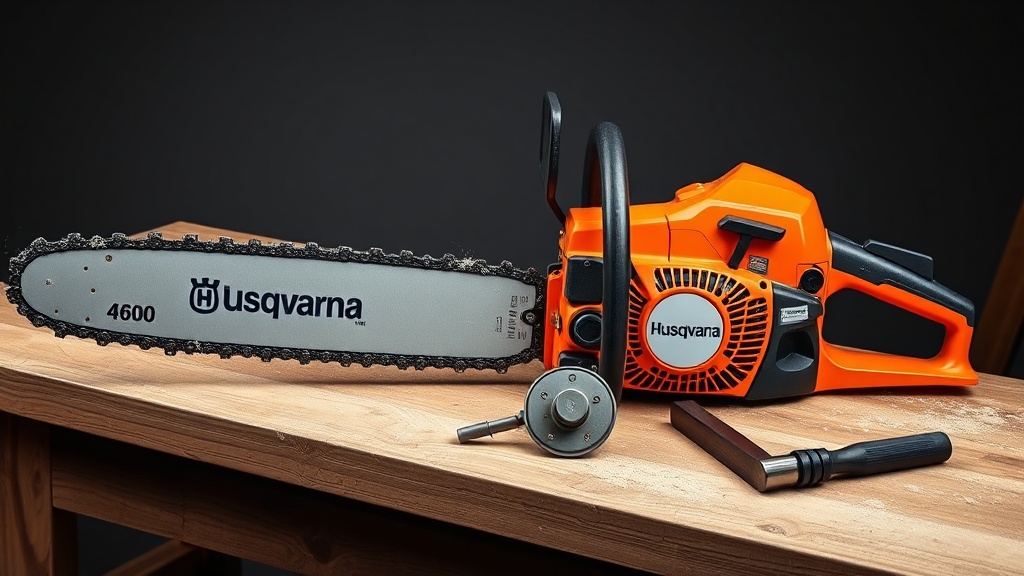
How Often Should You Sharpen the Chain on a Husqvarna 460 Rancher?
Dull chain is the number one cause of poor cutting performance and excessive operator fatigue on the Husqvarna 460 Rancher. A sharp chain lets the saw pull itself through the wood with minimal pressure, while a dull one forces you to push, which increases kickback risk and prematurely wears the bar and sprocket. You should check the chain after every tank of fuel, but a practical rule is to touch up the cutter teeth every 2-3 hours of run time, or sooner if you hit dirt, rock, or nail. In abrasive hardwoods like white oak or dried eucalyptus, sharpening intervals may be as short as every 30 minutes of cutting.
What Type of File and File Guide Works for the Husqvarna 460 Rancher?
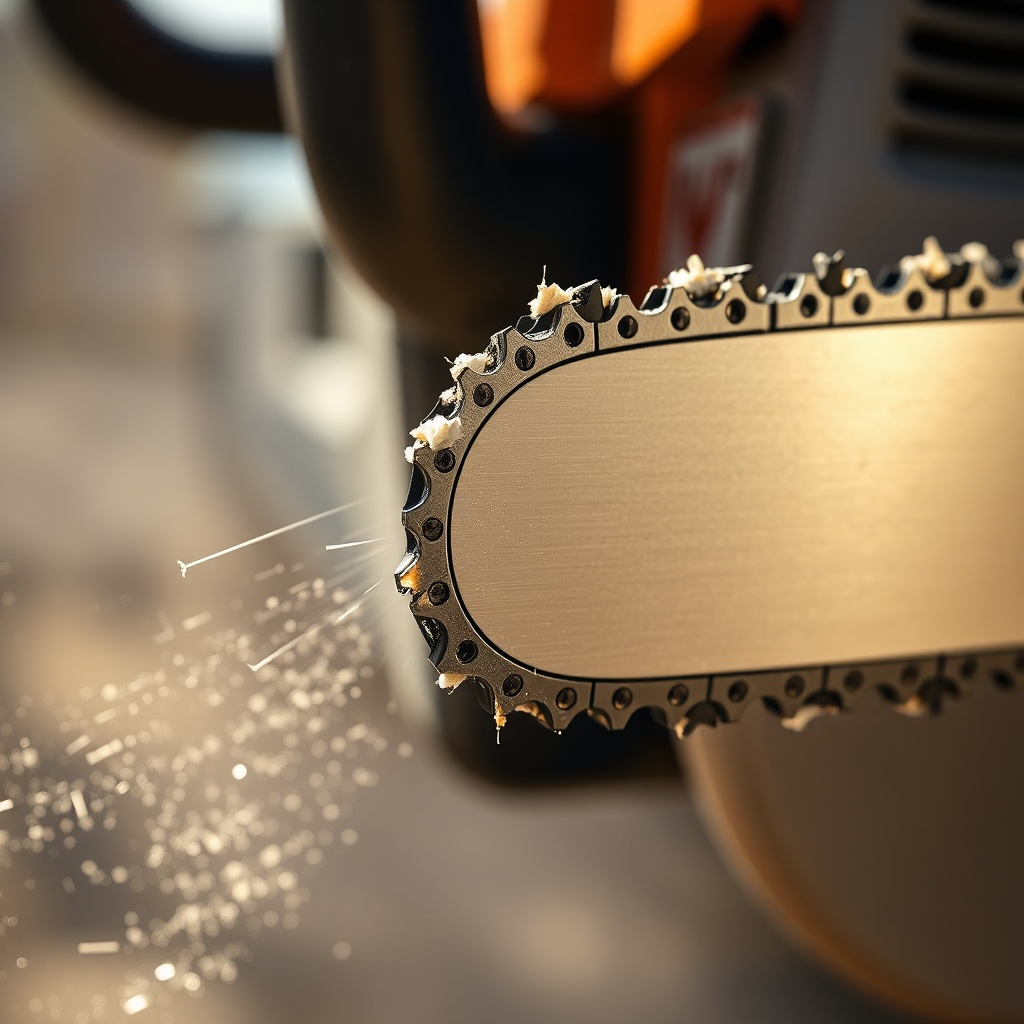
The 460 Rancher uses a standard 0.325-inch pitch, 0.058-inch gauge (often stamped 58 on the drive link) chain, typically a 20-inch or 24-inch bar. The correct round file diameter is 4.8 mm (3/16 inch) for the cutter teeth. Do not use a 5/32-inch file—it’s too small and will not reach the corner correctly. For depth gauges (raker depth), use a flat file, ideally 6-inch or 8-inch, sized to a 0.025-inch raker clearance for most crosscutting. Professional sharpeners recommend a Husqvarna roller file guide, part number 507 25 23-01, which holds the file at a 30-degree horizontal angle and 10-degree vertical tilt. A simple clamp-on file guide from Oregon or Granberg also works, but the roller version reduces file wear and gives consistent angles.
| Sharpening Severity Issue | Action Required |
|---|---|
| Chain cuts but produces fine dust instead of chips; saw bogs down under light load | Not urgent—needs a light touch-up (2–3 file strokes per tooth) |
| Chain drifts to one side, requires heavy push, or burns the wood; cut surface is blackened | Needs attention soon—full sharpen with raker adjustment required |
| Chain throws sparks or makes a metallic ringing sound when cutting | Immediate stop—chain is dangerously dull; replace chain if files don’t catch |
What’s the Correct File Angle for the Husqvarna 460 Rancher Chain?
Husqvarna chains from the factory use a 30-degree horizontal top plate filing angle and a 10-degree downward angle relative to the bar for the side plate. For general crosscutting, you can hold the file at 30 degrees; for aggressive felling cuts in softwood, some loggers flatten to 25 degrees, but this reduces chip clearance. Stick to 30 degrees unless you know what you are doing. The file should engage the cutter at about 80% of the file diameter—meaning the file rides across the top plate and side plate simultaneously. On the 460 Rancher, each tooth needs 5–7 light strokes if the chain is moderately dull. Never file backward; use only forward strokes with light, even pressure. Mark the first tooth you file with a marker to keep track—it’s easy to lose count on a 72-drive-link chain.
How Do You Adjust the Depth Gauges on a Husqvarna 460 Rancher?
After every 3–5 sharpenings, the depth gauges (rakers) will be too high, causing the chain to cut slowly or chatter. For the Husqvarna 460 Rancher, the standard raker clearance is 0.025 inches (0.65 mm) for a sharp chain used in general cutting. Use a depth gauge tool (Oregon part 25914 or Husqvarna part 507 25 23-03) that fits over the cutter and gauge. File the raker down until it is flush with the tool, using a flat file. Never file the raker while it is on the bar—remove the chain or use a raker guide that clamps to the bar. Too much raker depth leads to aggressive chattering and increased kickback risk. Too little depth reduces cutting speed. If you hit a rock or nail, check the rakers immediately—they may need setting down to 0.020 inches to keep the chain from stalling.
Can You Sharpen the Husqvarna 460 Rancher Chain Without Removing It?
Yes, and many users do it regularly between fuel fills. The 460 Rancher has a side-access chain tensioning system that makes this straightforward. Secure the saw on a flat surface, ensure the brake is off, and mount a roller file guide on the bar. You can sharpen in situ as long as the bar is clean and the chain is tensioned correctly. However, if you notice uneven tooth wear (some cutters shorter than others), you must remove the chain, grind all teeth to equal length on a bench grinder (Oregon 510A or similar), and reset the rakers. In-situ hand filing cannot fix a chain with badly mismatched tooth lengths—the saw will cut in a curve. A full shop grind at a dealer costs around £10–£15 ($12–$18) and saves your bar from premature wear.
What Lubricant and Bar Oil Should You Use While Sharpening?
Do not use bar oil as a sharpening lubricant—it’s too thick and clogs the file. Instead, use a light machine oil or WD-40 sprayed on the chain before filing. This reduces file wear and keeps filings from clogging the cutter gullet. Some professionals use kerosene or diesel fuel on a rag to clean the chain before sharpening—this removes pitch and bar oil residue. After sharpening, reapply bar oil generously before starting the saw. The 460 Rancher’s automatic oiler pumps about 12–20 ml per minute at full throttle; check that the oil port is clear. Never run a freshly sharpened chain without oil—it will overheat and crack in under 30 seconds.
For more on maintaining your 460 Rancher, read our guide on Husqvarna 460 Rancher Won’t Start? Common Causes & Fixes to ensure you don’t waste a sharp chain on a saw that won’t run.
What Owners Say About Sharpening the Husqvarna 460 Rancher
Owner feedback from online forums and reviews highlights a few consistent points. First, the factory chain on the 460 Rancher is decent but not premium—some owners swap immediately for an Oregon 72LPX or Carlton K2L chain, which holds an edge longer. Second, many users find the roller file guide eliminates frustration with inconsistent angles, especially after the first sharpening. Third, a handful of owners report that the 460 Rancher’s bar tip sprocket wears faster on dull chains, so they sharpen more aggressively early on. One logger noted, “I sharpen every tank, and my 460 cuts through ash like butter. If I let it go two tanks, I start pushing and hate using the saw.” Another owner added, “I use a depth gauge tool every third sharpen and it doubled the life of my chain. Don’t skip it.”
Frequently Asked Questions About Sharpening the Husqvarna 460 Rancher
1. What size file do I need for a Husqvarna 460 Rancher chain?
Use a 4.8 mm (3/16 inch) round file. A 5/32-inch file is too small and will not sharpen the corner correctly.
2. How many strokes per tooth does a dull chain need?
For moderately dull chain, 5–7 light, even strokes per cutter. For very dull chain after hitting dirt, 10–15 strokes may be needed, but check that you aren’t reducing tooth length too much.
3. Can I sharpen the chain with the bar still on the saw?
Yes, using a roller file guide clamped to the bar. For full grinding or raker resetting, remove the chain from the bar.
4. What angle do I hold the file at?
30 degrees horizontally and 10 degrees downward tilt relative to the bar. Use a guide to maintain consistency.
5. How often should I replace the chain on my 460 Rancher?
With regular sharpening and proper lubrication, a chain lasts 8–12 sharpenings before the cutters become too short for safe filing. Replace when the depth gauge limit mark (usually 0.025 inches) can’t be maintained.
6. Does a sharp chain reduce kickback risk?
Yes. A sharp chain cuts with less force needed from the operator, significantly reducing the chance of a kickback reaction. Keep your chain sharp—it’s a critical safety measure. For more on this, see our article Husqvarna 460 Rancher Kickback: Safety Features & User Tips.