
Echo CS-590 Timber Wolf Buying Guide: Is It Right for You?
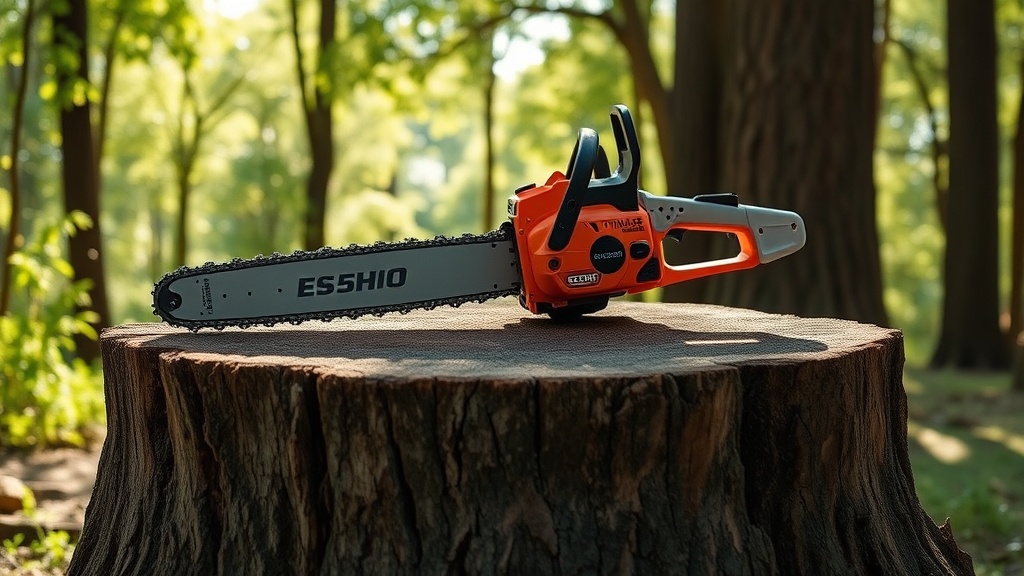
The Echo CS-590 Timber Wolf is a 59.8cc pro-grade saw that splits the difference between homeowner models and full-on commercial mills. It delivers serious torque for its weight—about 12.8 pounds dry—without the four-digit price tag of a Stihl 462 or Husqvarna 572. This guide walks you through the real-world trade-offs, so you can decide whether it belongs in your shed or if you’re better off with a different saw.
Who Actually Needs the 59.8cc Powerhead?
The CS-590 is designed for landowners, firewood cutters, and part-time tree guys who process 10 to 30 cords of wood per season. It’s not a limbing toy for occasional use (grab a Echo CS-310 or CS-352 for that), nor is it a full-time felling machine for production loggers (look at the CS-680 or CS-800P if you’re dropping timber eight hours a day). The 59.8cc engine makes peak torque around 2,500 rpm, which means it pulls a 20-inch bar easily and can handle a 24-inch bar with the right chain—but you’ll feel the weight after the third tank of gas. If you’re cutting exclusively rounds under 12 inches, this saw is overkill; if you’re frequently burying a 28-inch bar in oak, the power curve will leave you wanting more grunt in the cut. The sweet spot is mixed woodlots with stems from 10 to 24 inches in diameter, where the saw’s high-torque mid-range really shines.
How Does the Power and Torque Compare to Similar Saw Costs?
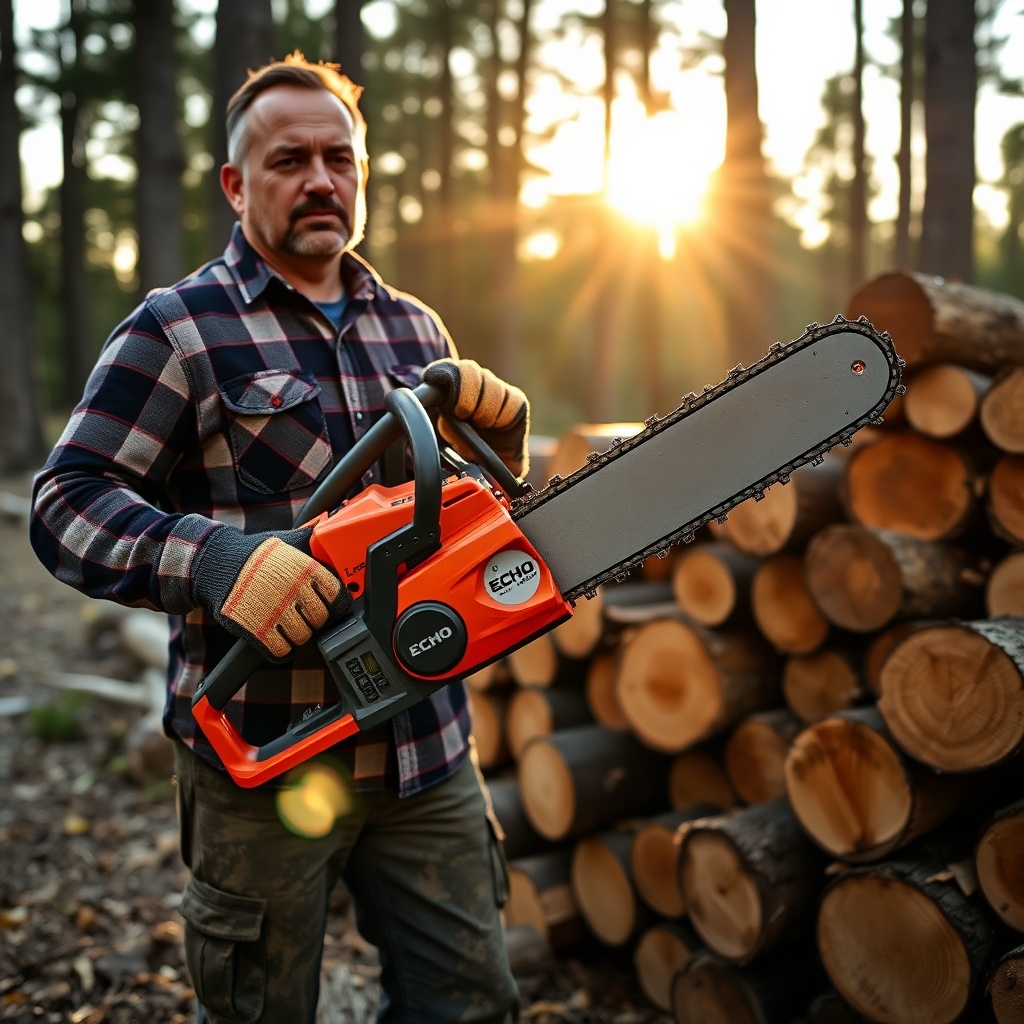
At around $399 to $449 (£300–£340) for a bare saw and roughly $470–$500 for a combo with bar and chain, the Echo CS-590 lands squarely in the mid-cost segment. For comparison, a Stihl MS 261 C-M (50.2cc) runs $480–$530 bare, and a Husqvarna 450 Rancher (50.2cc) is about $430–$470. The Echo gives you nearly 10cc more displacement for the same or less money, which translates into a noticeable torque advantage when the bar is buried in hardwood. If you price out a Stihl MS 391 (64cc), you’ll be around $550–$600—significantly more for just 4cc extra. The CS-590’s power-to-dollar ratio is among the best in the 55–65cc class, especially if you watch for Echo’s periodic sales or bundle deals that include a case, two chains, and a file guide. However, that lower cost comes with trade-offs: less sophisticated vibration damping, a fixed-jet carburetor instead of adjustable high-speed, and a narrower dealer network than Stihl or Husqvarna. We have a full side-by-side comparison in our article on Echo CS-590 Timber Wolf vs Stihl MS 261 C-M: Which Is Best for Firewood? for a deeper dive into how these two mid-range powerheads stack up on compression, muffler mods, and overall cut times in seasoned oak.
What Bar and Chain Options Actually Work Best?
The saw ships with a 20-inch bar and a .325-inch pitch chain that uses 72 drive links on a 3/8 low-profile sprocket. That’s a solid starting point for firewood cutting: the .325 chain cuts fast and reduces kickback risk compared to 3/8 full-size chain. If you need to reach deeper into wider trunks, a 24-inch bar with .325 or 3/8 chain works, but you must swap to a 7-pin sprocket to keep chain speed up and avoid excessive bogging. Do not try to run a 27-inch bar without first installing a dual-port muffler cover and retuning the carburetor—the stock saw simply doesn’t have the exhaust flow to spin a long bar under load without overheating. For limbing and cleanup, an 18-inch .325 bar cuts weight by nearly half a pound and makes the saw feel much more nimble in the cut. Always pair the bar length with the correct gauge: 0.050-inch for most Echo bars, though some aftermarket options use 0.058-inch—check your bar groove before buying. The clutch drum is spline-driven, so you can swap to a 3/8 rim sprocket if you prefer that chain system; the rim conversion costs about $25 and is a popular first upgrade. If you notice the saw not oiling enough during long cuts, you should read our guide on How to Adjust Oil Flow on Echo CS-590 Timber Wolf—it covers the screw location and the proper pattern for tuning flow to bar length.
Is Starting and Cold-Weather Operation a Pain Point?
The CS-590 uses Echo’s i-30 starting system, which is basically a spring-assisted decompression: you pull the starter handle about 30 degrees until you feel compression release, then it restarts easily even with a cold engine. In practice, this works well as long as you follow the correct sequence: choke on (lever up), pull until you hear the engine fire (usually 2–3 pulls), then choke off and pull again. The saw typically starts in 1–3 pulls after that, even at 25–30°F if you’ve used non-ethanol fuel. The winter starting ritual is covered step-by-step in Echo CS-590 Timber Wolf Cold Start Procedure: Step-by-Step—including how to purge the bulb just once and why you should never pump it more than four times. One subtle issue: the carburetor’s fixed low-speed jet is lean from the factory to meet EPA emissions, which can make cold vapor lock more likely if you leave the saw sitting in direct sun. If you find the saw bogs when you crack the throttle after a cold start, you may need to hold the throttle lock for a few seconds to clear the carb before it settles into an idle. Also, the primer bulb on early-production saws sometimes separates from the housing after a few years of heat cycling; Echo sells a replacement bulb kit for about $8 and it’s a ten-minute fix with a small flathead screwdriver.
What Realistic Maintenance Should You Expect?
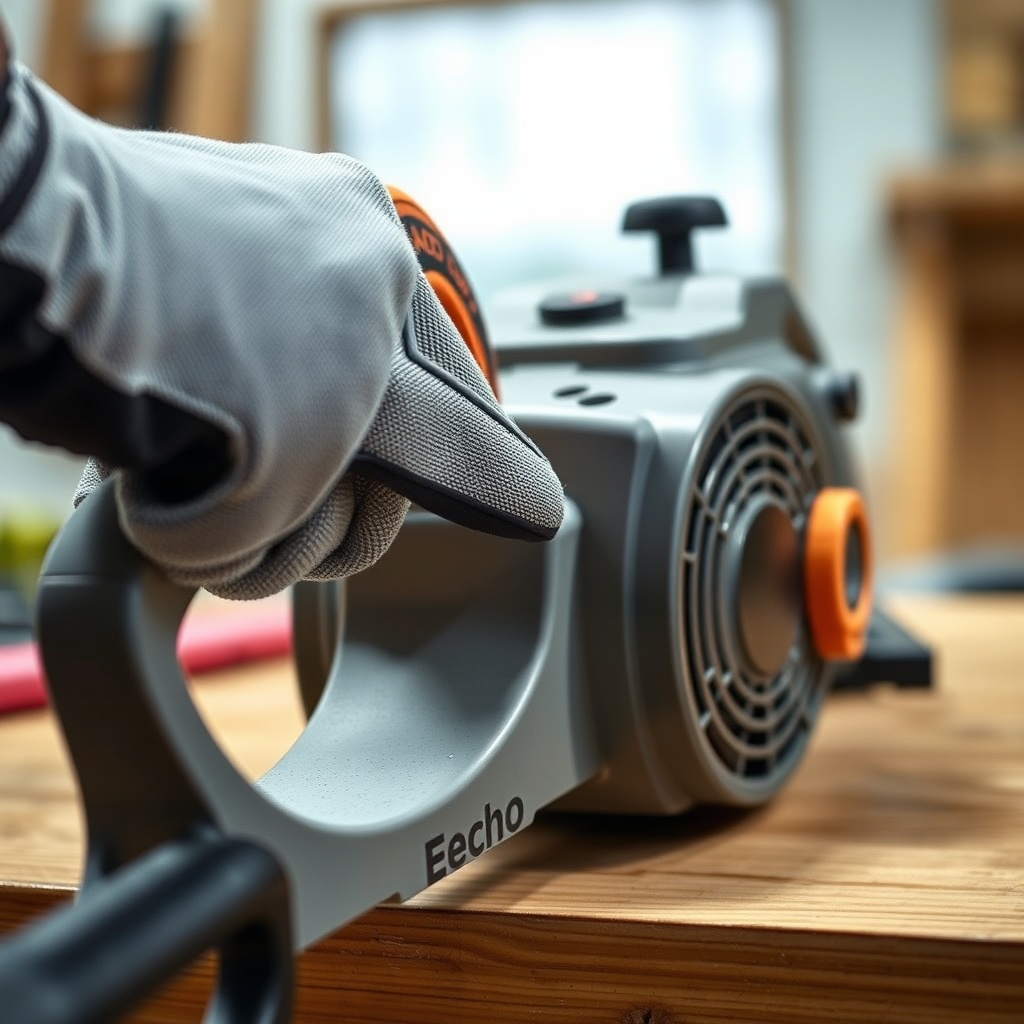
With average care—air filter cleaning every 10–15 tanks, bar groove cleaning at each chain swap, and a chain sharpening every 2–3 tankfuls—the CS-590 will run reliably for 5–8 years of moderate use before needing a top-end rebuild. The OEM piston and cylinder use an electrofusion coating that is durable, but it will eventually wear if you run the saw with a plugged air filter or an oil-starved bar. Spark plugs last about 150–200 hours if you’re burning premium gas with a good 2-stroke oil (Echo Red Armor or Husqvarna XP are both excellent). The fuel line and impulse hose are standard 3/16-inch and 3mm respectively and are easy to replace when they start cracking after 3–4 years. One maintenance gotcha: the crankcase has a small vent hole that can gum up if you store the saw without running the carb dry; a clogged vent will cause erratic idle and fuel-starved acceleration. A quick check involves removing the clutch cover and looking for a tiny hole in the case behind the clutch—if it’s blocked, a blast of carb cleaner and compressed air fixes it in 30 seconds. The air filter is a two-piece foam-and-felt design that washes well with warm soapy water, but water drying too slowly can leave it stiff; always squeeze dry in a towel, never wring it. For the adjustability of the chain oiler, see our resource on How to Adjust Oil Flow on Echo CS-590 Timber Wolf for the specifics of the screw and the proper bar type to use for heavy cutting.
Where Does the Echo CS-590 Fall Short Compared to Premium Brands?
Stihl and Husqvarna have spent decades refining anti-vibration systems, and the difference shows when you’re cutting all day. The CS-590’s rubber mounts are adequate for a half-day of firewood, but your hands will feel noticeably more tingly after ten tanks compared to a Stihl MS 261 or Husqvarna 550 XP Mark II. The fuel cap on some early units tends to swell after a season of use, leading to a slow leak if the saw is laid on its side in the truck bed—Echo redesigned the cap in 2020, but if you have an older one, the aftermarket cap from Oregon (part 53145) fits perfectly and solves the issue. Additionally, the factory chain tensioner uses a plastic knob that can strip if you overtighten; replace it with a steel nut version from Echo’s commercial lineup (part V502000040) for about $12. The air filter seal is another minor irritation: it’s a foam gasket that can deform over time, letting dust bypass the filter. A bead of silicone RTV around the filter housing lip fixes it permanently. Finally, the stock muffler is heavily baffled and restrictive; a dual-port muffler cover from an aftermarket supplier (like Timberline or Farmertec) adds 10–15% power at the cost of a louder exhaust note—you’ll need to retune the carb after installing it.
What Owners Say After One Season
Three common observations from actual CS-590 owners: first, the saw is surprisingly torquey for its displacement, pulling a 20-inch bar through red oak like a much bigger saw, even when the chain is a little dull. Second, the stock chain that comes with the combo kit is mid-grade at best—most owners swap it for an Oregon LPX or Stihl Rapid Micro after one sharpening cycle, and they notice a night-and-day difference in cut speed. Third, the carburetor is not user-tunable for high speed (it’s a fixed jet), which limits performance at altitude above 5,000 feet; owners in Colorado or Utah often install an adjustable high-speed carb kit from Echo (part A041000111) for around $30 to regain top-end power. Overall, the consensus is that the saw delivers excellent value for the money, but it’s not a finished product out of the box—you’ll need a few tweaks to match premium-saw performance. For those considering alternatives, our head-to-head analysis in Echo CS-590 Timber Wolf vs Stihl MS 261 C-M: Which Is Best for Firewood? addresses the common decisions between these two popular mid-rangers.
Frequently Asked Questions
1. What is the exact displacement of the Echo CS-590 Timber Wolf?
It is 59.8 cubic centimeters (3.65 cubic inches).
2. What is the fuel mix ratio for the CS-590?
Echo recommends 50:1 (2.6 ounces of oil per US gallon) using Echo Red Armor oil or an equivalent JASO FD/ISO-L-EGD oil. Do not exceed 40:1 as it may foul the spark plug.
3. Can I run a 24-inch bar on the CS-590 without modification?
Yes, but you must use a .325-inch pitch chain with a 7-pin sprocket to maintain chain speed. The saw will be slower in the cut than with a 20-inch bar, and you may need to adjust the oiler to a higher setting.
4. Why does my CS-590 hard-start when warm?
Usually because the fuel evaporates in the carburetor bowl. After a short shutoff (under 15 minutes), pull the starter slowly 2–3 times with the choke off to clear vapor, then pull normally. If it persists, check the vent line for a clog.
5. Does the Echo CS-590 have a captive bar nut?
Yes. The two nuts that hold the clutch cover are captured in the plastic side cover—you will not drop them into the grass. The chain tensioner is a plastic knob on the side; be careful not to cross-thread it.
6. What is the warranty on the Echo CS-590 Timber Wolf?
Echo offers a 5-year consumer warranty (homeowner use) and a 2-year commercial warranty (professional use). You must register the saw within 30 days of purchase to activate the warranty. Proof of purchase is required for any claim.