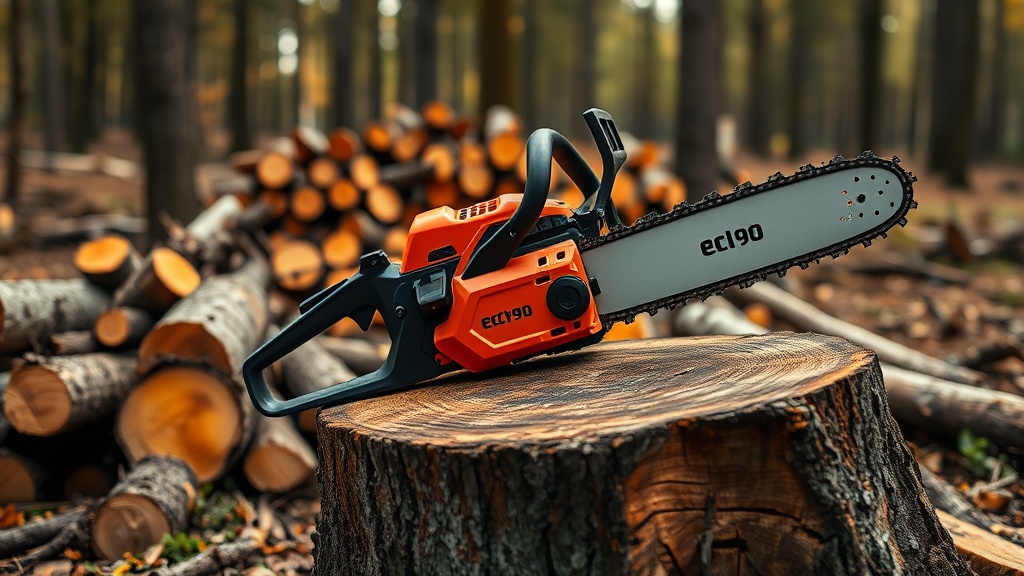
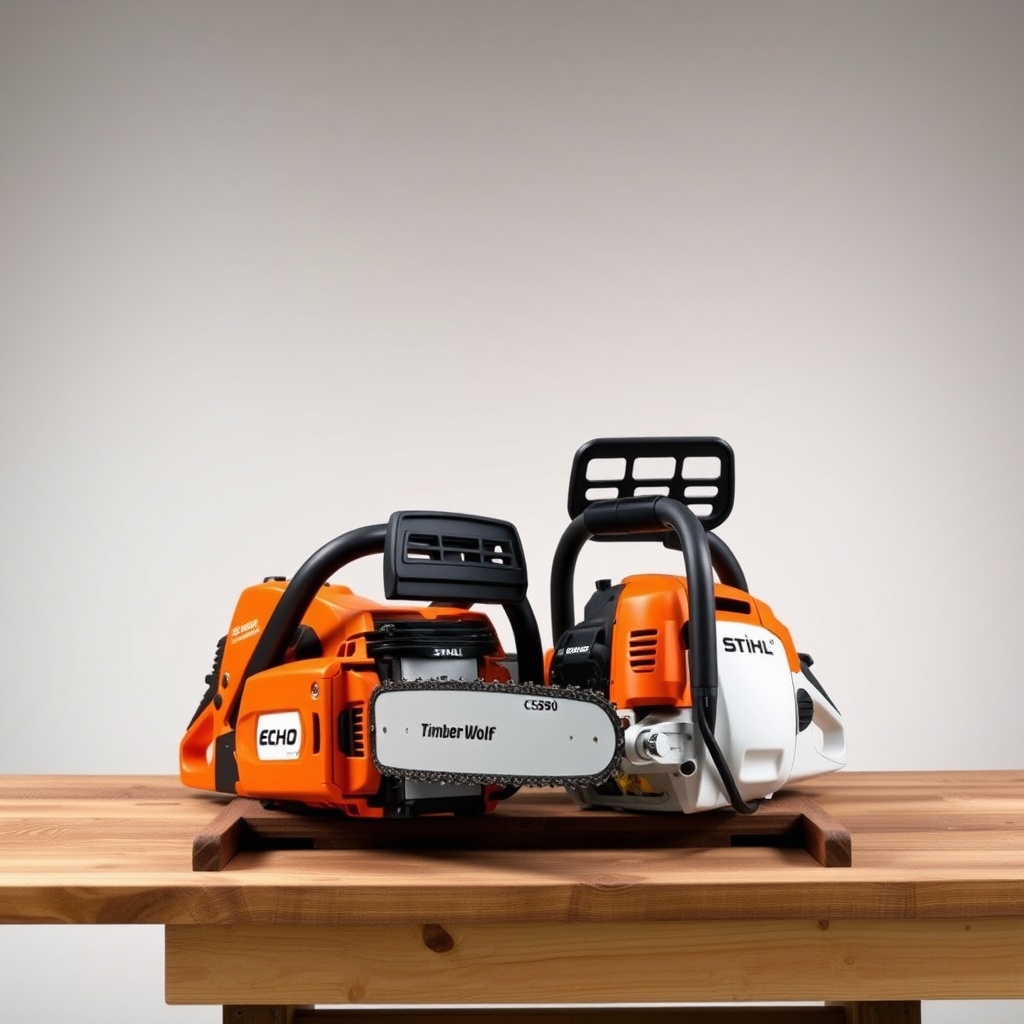
When the firewood pile starts shrinking and winter is knocking, you need a saw that can handle hours of cutting without complaint. The Echo CS-590 Timber Wolf and Stihl MS 261 C-M are two of the most popular workhorses for firewood production, but they take very different approaches. Mike Carter from SawSavvy has run hundreds of tanks through both saws, and this head-to-head comparison will help you pick the right one for your woodlot.
Which Saw Has More Power for Cutting Firewood?
On paper, the Echo CS-590 Timber Wolf boasts a 59.8 cc engine that pumps out 4.2 horsepower at the crankshaft. The Stihl MS 261 C-M is a smaller 45.6 cc machine, but it produces a surprisingly stout 3.5 horsepower thanks to its advanced digital engine management. In practice, the Echo has a noticeable advantage in bucking large-diameter logs and ripping through dense hardwoods like oak, hickory, or maple. The Stihl, however, feels snappier and revs faster, especially when you’re limbing or cutting smaller-diameter firewood. For sustained heavy cutting, the Echo’s extra displacement means less bogging and faster cuts in wood over 18 inches thick.
How Do They Compare in Weight and Handling for Long Days?
Firewood cutting is a full-body workout, and saw weight matters. The Echo CS-590 Timber Wolf weighs 12.7 pounds (powerhead only), while the Stihl MS 261 C-M tips the scales at 11.0 pounds. That 1.7-pound difference is significant when you’re making hundreds of cuts. The Stihl’s lighter weight and better-balanced chassis make it easier to maneuver in tight spaces, on slopes, or when working overhead. The Echo feels more planted and stable during heavy cuts, but you’ll notice the extra heft at the end of a 6-hour session. If you’re splitting your time between felling and bucking, the Stihl’s lighter weight reduces fatigue, but if you’re mainly bucking large rounds, the Echo’s weight helps keep the bar in the cut.
Which Saw Has the Better Reliability and Dealer Support?
Both companies build rugged saws, but their service philosophies differ. Echo backs the CS-590 with a five-year consumer warranty (two years for commercial) and offers a simple fixed-jet carburetor that most owners can tune with a screwdriver. Parts are cheap and widely available online. Stihl offers a two-year warranty on the MS 261 C-M, but its M-Tronic system requires a dealer computer for most adjustments. If you live within 30 minutes of a Stihl dealer, that’s not an issue. For remote owners who need to self-service, Echo’s simpler design is a clear win. Chain tensioning is also easier on the Echo, with a side-access system that doesn’t require removing the clutch cover fully.
| Severity Level | Echo CS-590 Timber Wolf | Stihl MS 261 C-M |
|---|---|---|
| Not Urgent | Clean air filter after 5 tanks; inspect fuel lines seasonally | Check M-Tronic LED for error codes; clean spark arrestor every 10 tanks |
| Needs Attention Soon | Adjust low-speed mixture if idle is rough; replace fuel filter at 50 tanks | Dealer may need to recalibrate M-Tronic if saw runs erratically; inspect solenoid valve for sticking |
How Does the Price Compare for the Cost per Cord?
Pricing fluctuates, but as of late 2024, the Echo CS-590 Timber Wolf typically sells for around $430–$480 (USA market), while the Stihl MS 261 C-M runs $600–$700. That’s a price gap of roughly $150–$250. For firewood cutting, you can use that savings to buy a second bar, extra chains, a sharpening kit, and a couple gallons of mix oil. The Stihl’s higher initial cost is partly justified by its M-Tronic system, which automatically adjusts the carburetor for altitude and temperature, saving you time on tuning. But if you’re cutting firewood at roughly the same elevation and conditions, the Echo’s manual carb is fine. Over 100 cords, the Echo’s lower price gives you more saw for your dollar, even if you replace it one year earlier than a Stihl.
What About Fuel Efficiency and Maintenance Differences?
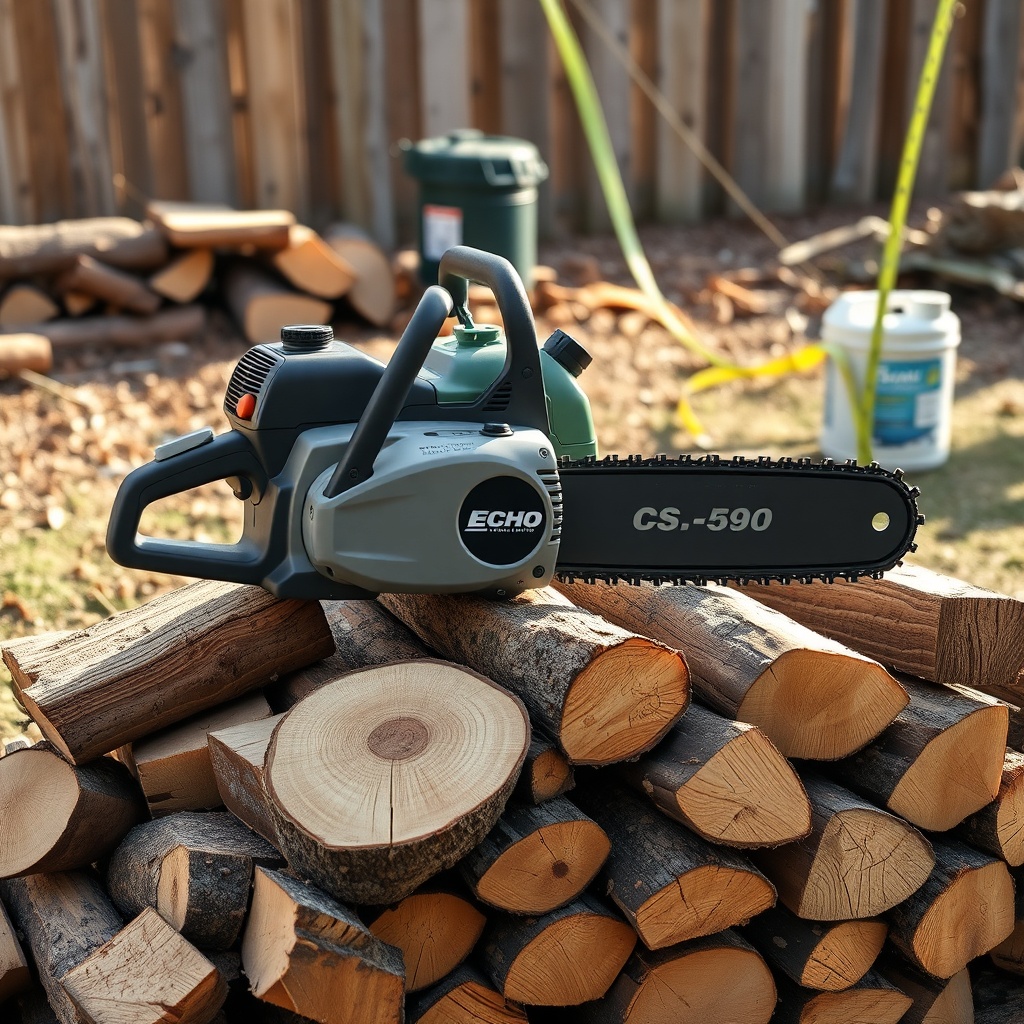
The Stihl MS 261 C-M is more fuel-efficient, burning roughly 10–15% less gasoline per hour of cutting. Over a season of heavy firewood production (say 50 gallons of mix), that’s a saving of 5–7 gallons, or about $20–$30. The Echo’s larger displacement drinks more fuel, but it also has a simpler oil circuit: the adjustable oiler on the CS-590 is easy to dial in for different bar lengths. The Stihl’s M-Tronic system has more complexity—solenoids, wiring, a control module—that adds potential failure points. For the weekend firewood cutter, the Echo’s lower maintenance cost (no dealer trips for tuning) often outweighs the fuel savings. For a pro cutting firewood daily, the Stihl’s efficiency and lighter weight might tip the scales.
Which Saw Is Better for Beginners Cutting Firewood?
If you’re new to chainsaws, the Echo CS-590 Timber Wolf is the more forgiving choice. Its manual carburetor means you can learn to tune by ear without expensive tools. The saw starts reliably when you follow the proper cold-start procedure (see our Echo CS-590 Timber Wolf Cold Start Procedure: Step-by-Step guide). The Stihl MS 261 C-M is a fantastic saw, but its M-Tronic system can confuse beginners who aren’t sure if the saw is running correctly. If you choose the Stihl, you need to trust that the electronics are doing their job. For the price difference, a beginner can buy the Echo, a quality chainsaw helmet, chaps, and a sharpening jig, all for less than a bare Stihl MS 261 C-M. Our Echo CS-590 Timber Wolf Buying Guide: Is It Right for You? covers this in more detail.
What Owners Say
Owner 1 – “Great value, but you need to tune it right out of the box.”
“My Echo CS-590 Timber Wolf came a little rich from the factory. I watched a video on adjusting the oil flow using the guide at How to Adjust Oil Flow on Echo CS-590 Timber Wolf and tuned the low-speed screw a quarter turn. After that, the saw ripped through 2 cords of oak in a weekend without any trouble. I’ve loaned it to neighbors too.”
Owner 2 – “Stihl MS 261 is smoother, but the Echo cuts faster in big wood.”
“I’ve owned both. For limbing and smaller firewood, the Stihl is a joy. But when I’m cutting 24-inch red oak rounds, the Echo doesn’t bog down and finishes cuts quicker. I sold the Stihl and kept the Echo because I cut mostly big logs. The Echo’s warranty gives me peace of mind.”
Frequently Asked Questions
Q: Can the Echo CS-590 Timber Wolf handle a 24-inch bar for firewood?
A: Yes, the CS-590 comes with a 20-inch bar stock, but you can safely run a 24-inch bar for large-diameter wood. You’ll lose a bit of chain speed and may need to sharpen more often, but the saw has enough torque to handle it.
Q: Is the Stihl MS 261 C-M worth the extra money for occasional firewood cutting?
A: Only if you value automatic tuning and lighter weight. For 5–10 cords a year, the Echo is a smarter buy. For 20+ cords annually, the Stihl’s reduced fatigue and fuel savings can justify the higher cost.
Q: Does the Echo CS-590 Timber Wolf require a dealer for maintenance?
A: No. The saw has a simple carburetor, adjustable oil pump, and user-serviceable parts. Most maintenance, including chain sharpening, air filter cleaning, and fuel filter replacement, can be done at home. The only dealer need is for major repairs under warranty.
Q: How long does a tank of fuel last on each saw?
A: Roughly 30–40 minutes of heavy cutting for the Echo (18.6 oz tank) and 35–45 minutes for the Stihl (15.2 oz tank) due to better efficiency. Your mileage will vary with throttle usage and wood density.
Q: Can I use ethanol-blended fuel in these saws?
A: Both manufacturers recommend using ethanol-free fuel if possible. Stihl strongly warns against ethanol in M-Tronic saws, as it can damage the solenoid. Echo says 10% ethanol is okay but can cause storage issues. For both, use a quality fuel stabilizer.
Q: Which saw is quieter?
A: The Stihl MS 261 C-M is slightly quieter (about 1–2 dB) due to its smaller engine and better muffler design. Neither saw is quiet enough to skip hearing protection—always wear earplugs or muffs.