Why Does the Echo CS-590 Timber Wolf Need a Clean Fuel Filter?
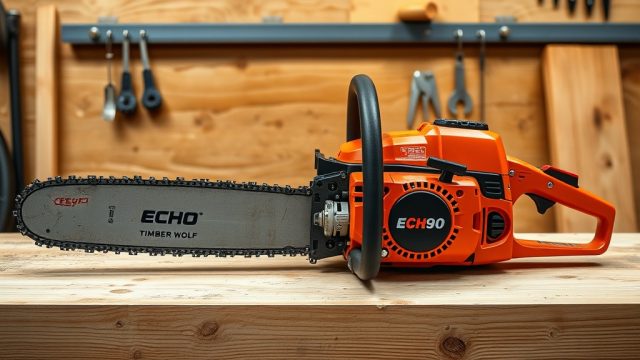
The Echo CS-590 Timber Wolf is a powerhouse in the mid-sized chainsaw class, delivering 59.8 cc of displacement and serious torque for firewood cutting, land clearing, and demanding felling tasks. But even the best saws suffer when fuel delivery is compromised. A clogged fuel filter is the number one reason for sputtering, hard starting, and sudden power loss. This guide walks through a complete fuel filter replacement procedure, ensuring the saw receives clean, debris-free fuel for reliable performance season after season.
Before diving into the replacement, owners should understand that the fuel filter sits at the bottom of the fuel tank, attached to the pickup line. Over time, ethanol in gasoline, dust, and sawdust particles accumulate on the filter element, restricting flow. Replacing the filter every 6-12 months, or after roughly 50 hours of use, prevents costly carburetor repairs and keeps the Timber Wolf running at peak efficiency. This repair is straightforward and requires only basic hand tools, saving the owner the cost of a dealer visit—typically £15-£25 in labour.
What Tools and Parts Are Needed for the Replacement?
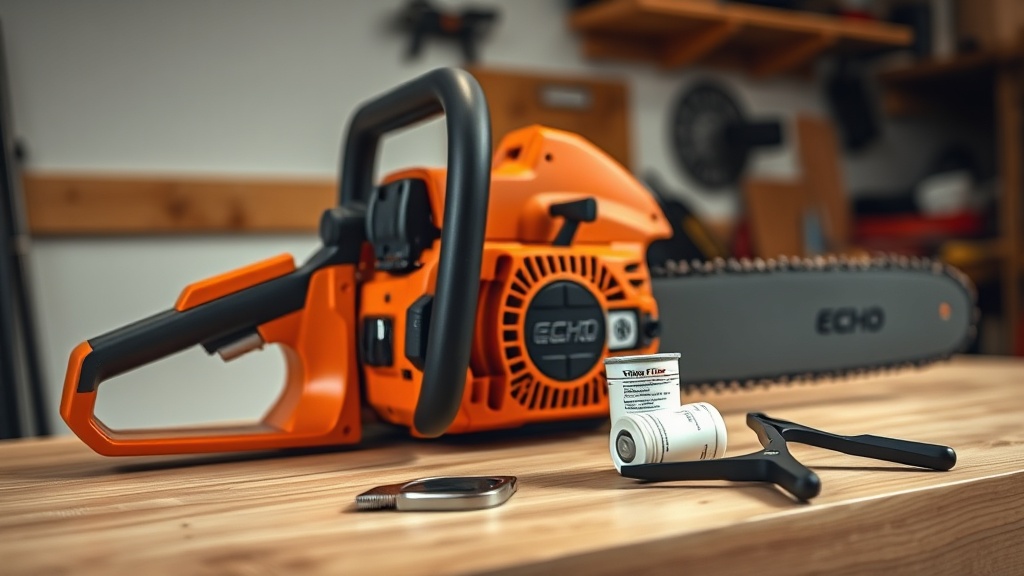
Gathering the correct components before starting the job eliminates frustration. The Echo CS-590 Timber Wolf uses a standard ¼-inch (6.35 mm) hose barb fuel filter. The factory part number is 193060-3, but many aftermarket options work equally well. Below is a complete list of required items:
| Item | Specification/Part Number | Price Range (GBP) | Notes |
|---|---|---|---|
| Replacement fuel filter | Echo 193060-3 or compatible | £3.50 – £8.00 | Choose OEM or high-quality aftermarket |
| Pickup line (if worn) | 4 mm ID x 8 mm OD (pre-cut) | £4.00 – £7.00 | Replace if brittle or cracked |
| Flat-blade screwdriver | Medium size | £2.00 (common tool) | For loosening hose clamp |
| Needle-nose pliers | Standard | £3.00 (common tool) | For pulling filter from tank |
| Safety glasses | ANSI Z87.1 | £5.00 | Protect eyes from fuel spray |
| Small metal hook or wire | Bent coat hanger works | Free | For retrieving filter |
Most owners already have the screwdriver and pliers. The total investment for a quality replacement filter is under £10, significantly less than the cost of a carburetor rebuild caused by debris passing through a degraded filter. If the fuel line feels hardened or shows cracking, order that component as well—it adds less than £10 to the total.
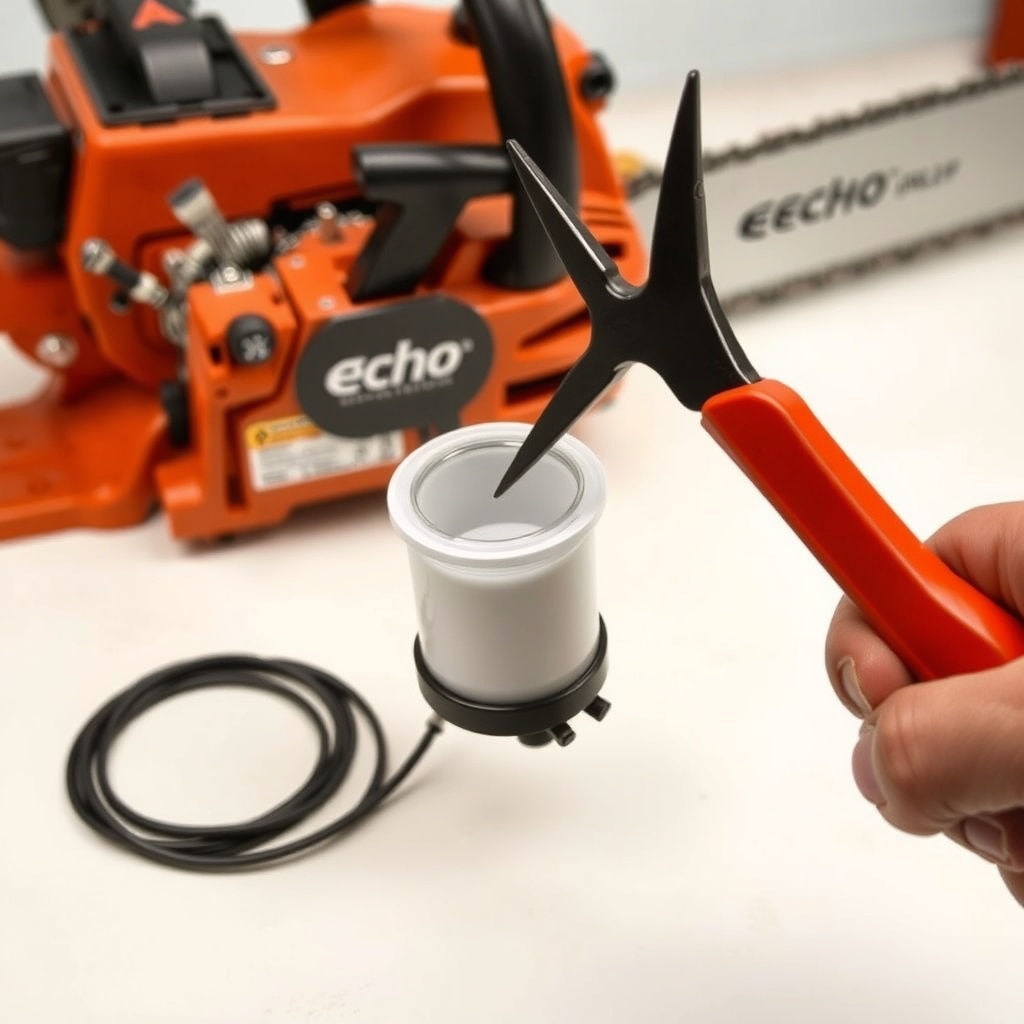
How to Access the Fuel Filter on the Echo CS-590 Timber Wolf?
Accessing the filter does not require removing the carburetor or the recoil starter, which simplifies the job dramatically. Follow these steps:
- Step 1: Empty the fuel tank. Run the saw until it stalls, or drain the tank using a siphon pump into an approved container. Never work with a full tank—fuel spillage creates a fire hazard and wastes petrol.
- Step 2: Remove the fuel cap. Loosen the cap fully and set it aside in a clean area.
- Step 3: Locate the filter access. On the CS-590, the fuel pickup line enters the tank through a grommet on the side near the carburetor. There is no separate access plate; the filter is retrieved through the filler hole.
- Step 4: Straighten a metal hook. Use a bent coat hanger or a long screwdriver to hook the filter through the filler opening. The filter sits at the bottom, often tucked under the tank wall. Gently manoeuvre the hook until the filter catches.
- Step 5: Pull the filter upward. Once hooked, use needle-nose pliers to grab the filter body and pull it out through the filler hole. Avoid yanking—if the line is old, it may separate inside the tank.
If the filter does not come out easily, rotate it 90 degrees while pulling. The filtered element is oval-shaped and may align with the opening at an odd angle. For owners unfamiliar with the process, the Echo CS-590 Timber Wolf Chain Oiler Adjustment Guide offers a parallel level of mechanical access, though the oiler is external.
Once the filter is in hand, inspect the condition of the rubber grommet. If it leaks fuel when the tank is tilted, that component should be replaced separately, though it is not part of this guide.
How to Install the New Fuel Filter Correctly?
Installation is the reverse of removal, but details matter for a leak-free, reliable connection. Follow these steps precisely:
- Step 1: Cut the old filter off the line. Use sharp side cutters to snip the filter body away from the hose. Do not cut the hose itself unless it is being replaced.
- Step 2: Inspect the hose end. The remaining hose should be clean and free of internal debris. If the inner diameter appears melted, swollen, or cracked, install a new pickup line. This step is critical—a failed line introduces air bubbles into the fuel, causing lean running conditions.
- Step 3: Attach the new filter. Push the barbed end of the filter firmly into the hose. The fit should be snug—do not lubricate the hose with fuel, as this can damage the rubber. A slight twisting motion helps seat the barb fully.
- Step 4: Add a hose clamp (if using). Some aftermarket filters come with a miniature clamp. If included, slide it over the hose before attaching the filter, then tighten it over the barb. This is optional on the Echo CS-590, as the factory design relies on a friction fit.
- Step 5: Insert the filter into the tank. Lower the filter through the filler hole using the hook or screwdriver. Let it fall to the bottom. Ensure the hose is not kinked or pinched against the tank wall.
- Step 6: Reattach the fuel line to the carburetor. If the line was disconnected during removal, push it onto the carburetor inlet barb. Secure with the original spring clip or a zip tie. Torque is not critical—hand tightness is sufficient.
- Step 7: Test for leaks. Fill the tank with fresh fuel, start the saw, and inspect all connections for wetness. Run for 30 seconds, then shut off and recheck.
Owners who also experience inconsistent lubrication should consult the Echo CS-590 Timber Wolf Cutting Chain Types: Full Chisel vs Semi-Chisel vs Low Profile guide to ensure the correct chain profile is matched to their cutting conditions. An improper chain can mimic fuel starvation symptoms by overloading the engine.
If the saw still starves for fuel after filter replacement, the problem may lie in the carburetor itself—specifically the inlet needle or fuel pump diaphragm. That repair requires more advanced disassembly.
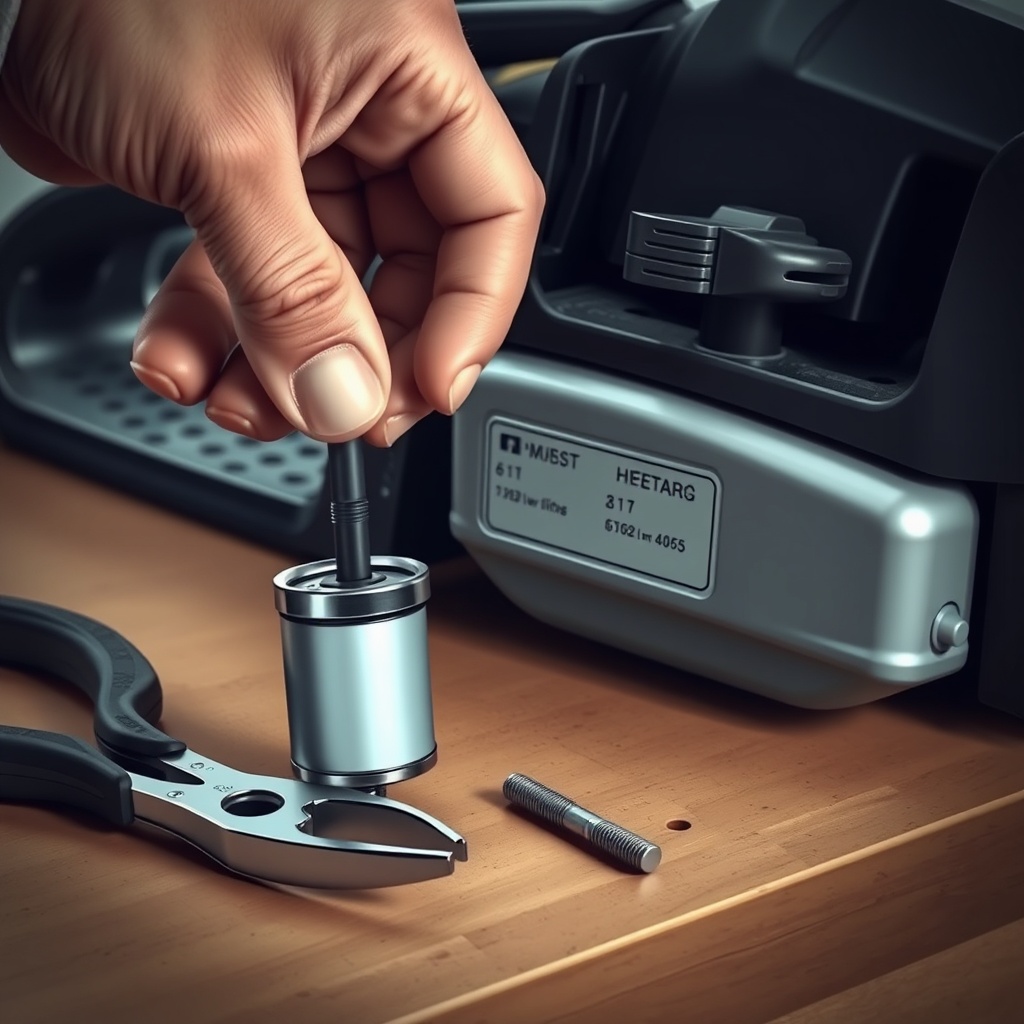
What Are the Symptoms of a Bad Fuel Filter on the Echo CS-590?
Recognising a failing filter early prevents a sudden breakdown mid-cut. Common indicators include:
- Engine bogs down under load. The saw runs fine at idle but loses power when cutting—especially in dense hardwood. This mimics a carburetion issue but often traces to restricted flow.
- Hard starting after storage. A filter that has absorbed ethanol residue may swell and block flow entirely. If the saw requires 10+ pulls after sitting for weeks, suspect the filter.
- Erratic idle. The engine hunts or stalls at idle, then recovers when the choke is engaged slightly. This indicates the carburetor is starving for fuel at low speed.
- Visible debris in fuel tank. If the saw has been used with dirty fuel or stored without stabiliser, particles settle at the bottom. A clear fuel line may show brown specks.
- Fuel line collapses. In rare cases, a fully blocked filter creates vacuum that collapses the hose inside the tank. The saw will not start until the hose regains shape—a clear sign of severe restriction.
One helpful diagnostic is to run the saw with the fuel cap loosened slightly. If the engine improves, the tank vent is likely blocked. That issue mimics a bad filter but has a different fix. For vent problems, the tank must be cleaned or the vent replaced—this is separate from the filter service.
If skipping or surging persists after filter replacement, check the Echo CS-590 Timber Wolf Chain Catch Replacement Guide for clutch-side issues that affect engine behaviour under load.
What Owners Say About Fuel Filter Longevity and Issues
Experienced users on forums and review sites consistently report that the Echo CS-590 Timber Wolf’s fuel filter lasts longer than those on many competitors, but still requires diligent replacement. Common real-world observations include:
- Filter life averages 6-12 months. Owners who use non-ethanol fuel report filters lasting 12-18 months. Those using E10 or E15 ethanol blends see degradation starting at 4-6 months.
- Aftermarket filters work fine. Many users recommend Stens 215-558 or Oregon 33-400 as cost-effective alternatives to the Echo OEM filter. Savings are roughly 40-50% compared to dealer parts.
- Hard starting is the first clue. Several owners note that the saw starts perfectly when the filter is new, but after 6 months the first pull after storage becomes a five-pull ordeal. Replacing the filter restores one-pull starting.
- Neglect leads to carburetor rebuilds. A thread on a popular arborist site details a saw that ran lean and seized the piston due to a filter that delaminated internally, sucking debris into the carburetor. The repair cost was over £120, versus the £8 filter replacement.
- Fuel line replacement is advisable simultaneously. Approximately one-third of long-term owners replace the pickup line when doing the filter, because the hose hardens and cracks near the filter barb. The added cost of £5 is considered cheap insurance.
- One owner’s trick: Using a small zip tie as a pull strap on the filter body makes future changes easier. Thread the zip tie through the filter’s centre hole before installing, leaving the tail accessible through the filler hole. This eliminates the need for a hook.
The consensus is clear: the Echo CS-590 Timber Wolf is a reliable saw that responds well to basic maintenance. Owners who follow the recommended filter schedule rarely face fuel system issues, while those who skip it eventually encounter frustrating performance problems. The saw’s easy-access fuel tank design makes replacement a 15-minute task even for beginners.
Frequently Asked Questions
Q1: How often should I replace the fuel filter on my Echo CS-590 Timber Wolf?
A: Every 6-12 months or approximately 50 hours of run time. If using ethanol-blended fuel, replace at the shorter interval. The saw will give warning signs—hard starting, bogging—before complete blockage occurs.
Q2: Can I clean the old fuel filter instead of replacing it?
A: No. Fuel filters are disposable, sealed units designed for single use. Cleaning with solvents or compressed air risks forcing debris inside the filter media, which then passes directly into the carburetor. Always install a new filter.
Q3: What is the correct fuel filter part number for the Echo CS-590 Timber Wolf?
A: The OEM part is Echo 193060-3. Compatible aftermarket filters include Stens 215-558, Oregon 33-400, and Rotary 57187. All use a ¼-inch barb that fits the factory pickup line. Cost ranges from £3.50 to £8.00.
Q4: Will a clogged fuel filter damage my chainsaw’s engine?
A: Yes. A restricted filter forces the engine to run lean, which increases operating temperature and can cause piston scoring, ring failure, or seizure. Additionally, a disintegrating filter can shed debris into the carburetor, requiring a full rebuild. This is the leading cause of avoidable carburetor failures on the CS-590.
Q5: Do I need to drain the fuel tank completely before replacing the filter?
A: Yes. Draining the tank prevents fuel spillage when the filter is withdrawn through the filler opening. Even a small amount of fuel creates a slip hazard and carries fire risk. Use an approved container and work in a ventilated area away from ignition sources.
Q6: What if the fuel hose is too short to reach the filter after attaching the new one?
A: This indicates the hose has stretched or the old filter was cut too close to the barb. Replace the entire pickup line with a pre-cut 4 mm ID hose from Echo or a universal spool. Measure the old hose length before cutting. Do not attempt to splice a short hose—air leaks will cause erratic running. For complete engine service procedures, refer to the Echo CS-590 Timber Wolf Recoil Starter Replacement Guide and the Echo CS-590 Timber Wolf Chain Oiler Replacement Guide for complementary maintenance tasks.