Introduction
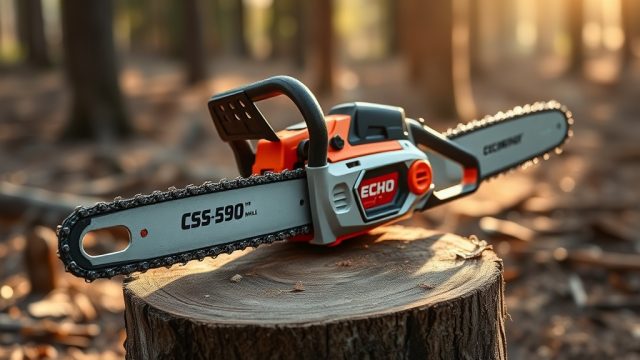
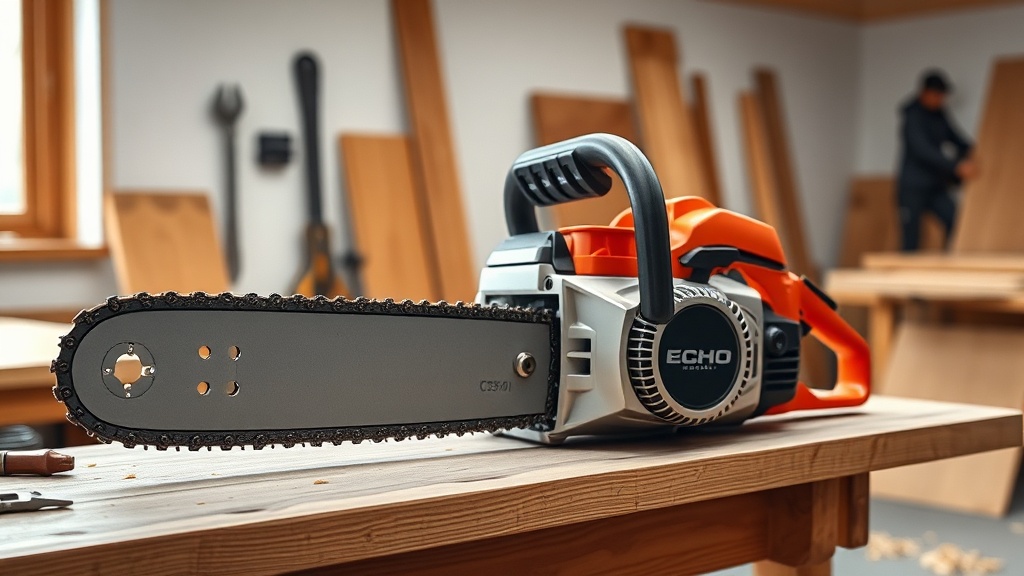
The Echo CS-590 Timber Wolf is a formidable 59.8cc chainsaw known for its power-to-weight ratio and rugged design. However, one of the most critical safety components—the chain catch—can fail or become damaged over time, posing a serious injury risk if the chain breaks or derails. This guide provides a comprehensive, step-by-step approach to replacing the chain catch on the Echo CS-590 Timber Wolf, emphasizing safety and ergonomics to ensure the saw remains a reliable partner in the field.
Why Is the Chain Catch Critical for Safety and Ergonomics?
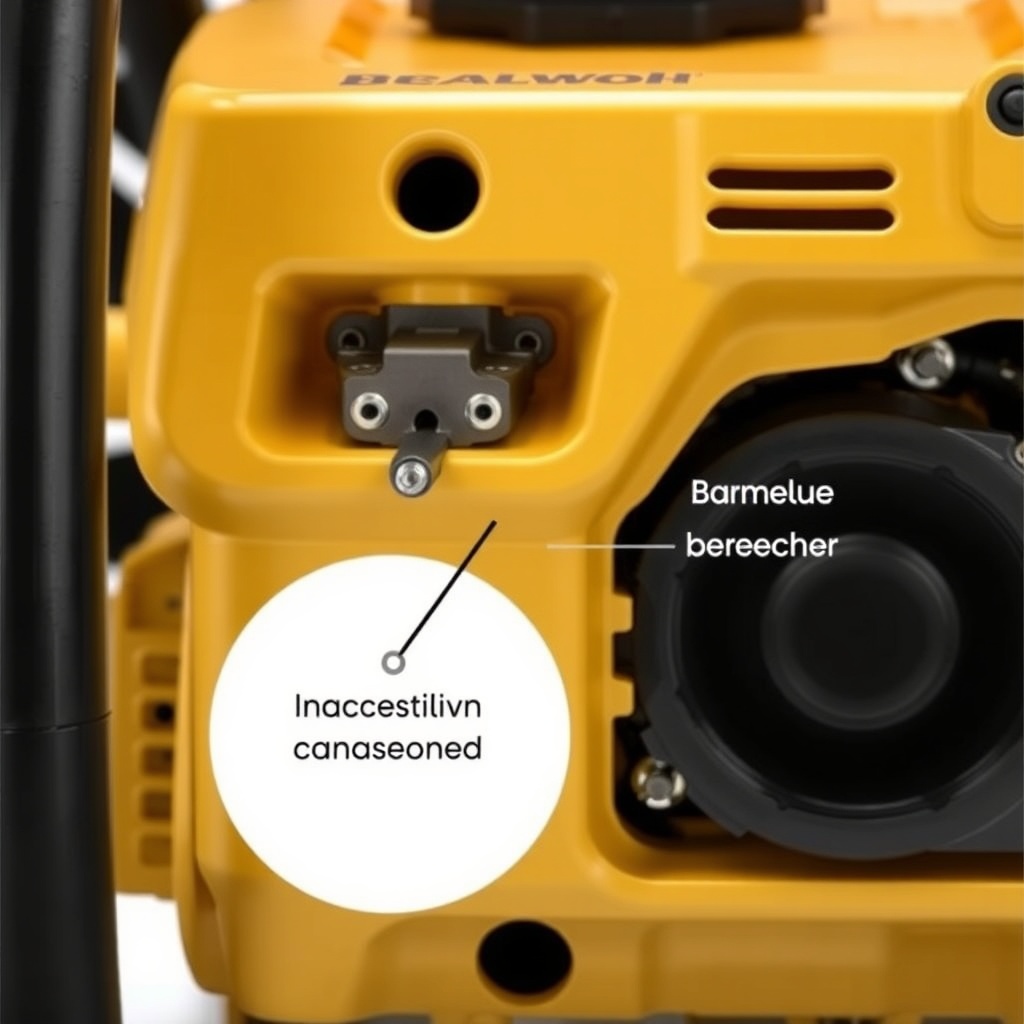
The chain catch, also called the chain brake or chain catcher, is a small metal or plastic protrusion mounted on the front of the saw’s housing, just behind the bar. Its primary job is to catch a broken or thrown chain, preventing it from whipping back toward the operator’s hands and body. For the Echo CS-590 Timber Wolf, this component is crucial because the saw’s high chain speed (up to 14,000 rpm) means even a small chain failure can produce tremendous force. A properly functioning chain catch reduces the risk of severe lacerations to the arms, hands, and torso. Additionally, when the chain catch is correctly aligned and tensioned, it minimizes vibration transfer through the handle, contributing to better ergonomics during extended cutting sessions. A worn or damaged catch can cause the chain to hang up or create uneven wear, leading to operator fatigue.
For a more in-depth look at the chain system, refer to our Echo CS-590 Timber Wolf Cutting Chain Types: Full Chisel vs Semi-Chisel vs Low Profile guide to understand how chain selection affects safety.
What Tools and Parts Do You Need for a Chain Catch Replacement?
Before beginning the replacement, gather the correct parts and tools. The Echo CS-590 Timber Wolf uses a specific chain catch (part number A041-003210 for the metal version or A041-003220 for plastic variants, but always check your model year). Incorrect parts can compromise safety or fitment. Required tools: T25 Torx screwdriver (for the side cover), 5mm hex key (for bar nuts), flat-head screwdriver or pick (for prying the old catch), and a torque wrench (optional but recommended for bar nuts). You will also need a clean work surface and safety glasses.
Parts List:
- New OEM Echo chain catch (part A041-003210 or A041-003220)
- New bar nuts (if stripped—check threads)
- Thread-locking compound (blue Loctite 242 recommended)
- Chain brake reset tool (if needed for re-engaging brake after assembly)
How to Safely Remove the Old Chain Catch?
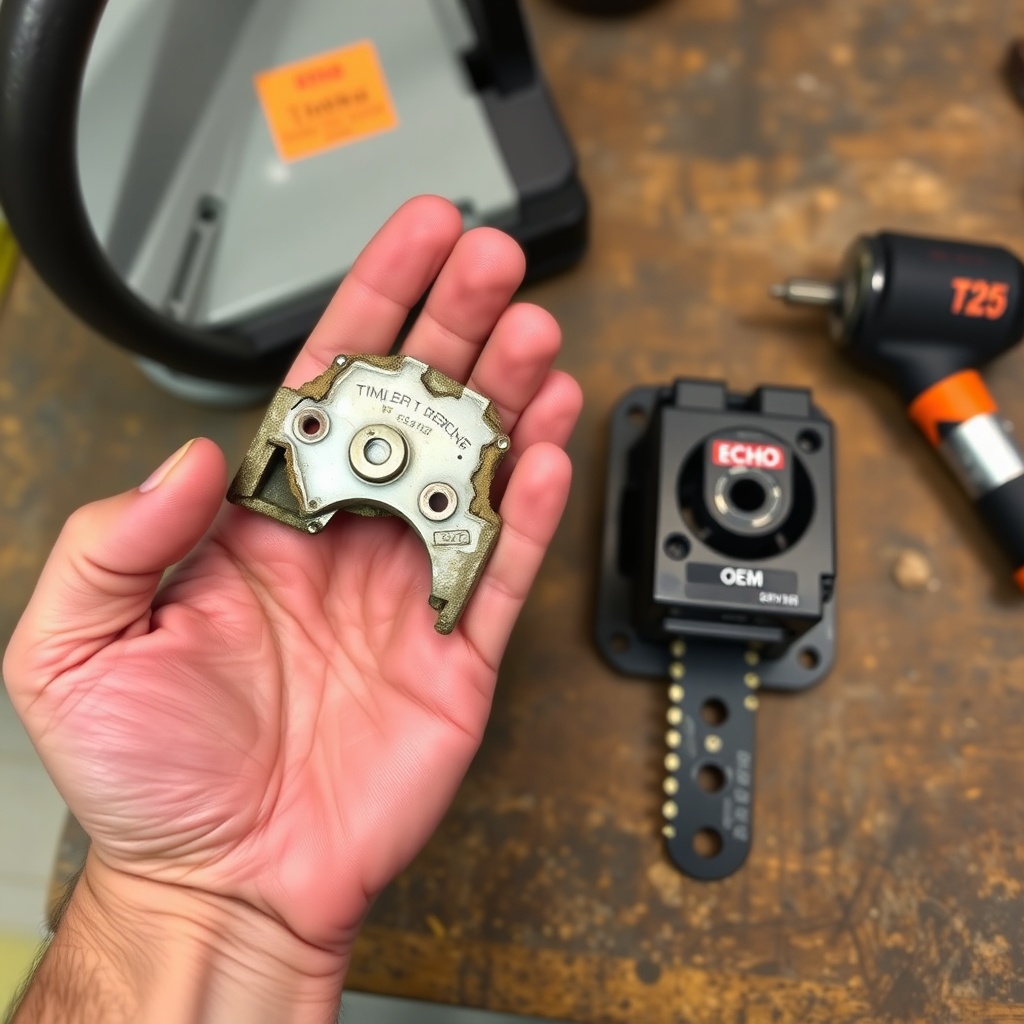
Safety first: ensure the chainsaw engine is off, the spark plug is disconnected, and the chain brake is disengaged. Chain brake should be in the “run” position to allow bar removal. Remove the bar nuts using a 5mm hex key. Lift the side cover off the saw. The chain catch is located behind the side cover, usually secured by two T25 Torx screws (sometimes hex bolts). Sometimes it is pressed into a slot. Use the T25 driver to remove the screws. If the catch is stuck due to debris or corrosion, gently tap it free with a rubber mallet or pry with a flat-head screwdriver from the back. Avoid damaging the magnesium housing. Once free, inspect the old catch for cracks, deformed edges, or broken tabs. This damage typically occurs from a chain hitting it at high speed or from overtightening the bar nuts. Dispose of the old part.
For guidance on related fuel system issues, see our Echo CS-590 Timber Wolf Chain Oiler Adjustment Guide if you are also experiencing oil leaks during this process.
Chain Catch Replacement Severity and Time Estimate
| Severity Level | Description | Estimated Repair Time | Cost (Parts + Labor DIY) |
|---|---|---|---|
| Mild | Catch is slightly bent or has superficial scoring—minor adjustment or replacement | 30 minutes | £12–£20 (€14–€24) |
| Moderate | Catch has a small crack or broken tab—immediate replacement required | 45 minutes | £15–£25 (€18–€30) |
| Severe | Catch is missing entirely, or bar studs are damaged—requires more checks | 1–2 hours | £20–£40 (€24–€48) plus potential bar studs |
Note: Prices in GBP (GB£) and EUR (€) approximate as of 2025. Labour if using a dealer can add £30–£50 ($38–$64).
Step-by-Step Installation of the New Chain Catch
Place the new chain catch into its designated pocket on the saw’s housing. Ensure it aligns flush with the mounting surface—some catches have a directional arrow pointing toward the bar tip. Apply a small dab of blue Loctite to the screw threads. Insert the T25 screws and tighten them to 2–3 Nm (hand-tight, then an additional 1/8 turn). Do not overtighten, as the magnesium housing can crack. Reinstall the side cover and bar nuts, tightening to 11–13 Nm (use a torque wrench if available). Slide the chain back onto the bar and adjust tension using the chain tensioner screw (turn clockwise until the chain touches the bottom of the bar rail, then back off 1/4 turn). Manually rotate the chain to check for free movement. Finally, reset the chain brake lever to the engaged position and then disengage it to ensure the catch does not interfere with the brake mechanism.
If the chain catch seems misaligned after installation, check the side cover for cracks—refer to our Echo CS-590 Timber Wolf Chain Tensioner Replacement Guide for tensioner issues that can mimic catch problems.
What Owners Say About the Echo CS-590 Timber Wolf Chain Catch
Experienced owners on arborist forums and YouTube communities consistently praise the durability of the OEM chain catch. Many note that the metal version (A041-003210) is more robust than the plastic variant and worth the extra £5–£8 cost. One owner reported that after a chain snapped at full throttle, the catch prevented the chain from striking their left hand, saving them from likely hand injury. Others mention that the catch can wear out after 2–3 years of heavy use, especially if chains are too slack. A few owners warn that aftermarket catches from non-OEM sources may not sit flush, causing chain tension issues. Most recommend replacing the catch whenever you rebuild the saw (every 500 hours). For a full engine rebuild guide, see our Echo CS-590 Timber Wolf Cylinder and Piston Replacement Guide.
Frequently Asked Questions
- Q: How do I know if my Echo CS-590 Timber Wolf chain catch needs replacing?
A: Inspect for visible cracks, bent edges, or if the catch does not sit securely against the housing. Also, if the chain jumps the bar during operation without the catch stopping it, or if you see wear marks on the catch surface, replace immediately. - Q: Can I use a chain catch from another saw model on the Timber Wolf?
A: No. The Echo CS-590 uses a specific mounting pattern and height. Using a generic catch can cause chain rub, misalignment with the bar studs, or brake interference. Always buy OEM part A041-003210 or A041-003220. - Q: How tight should the chain catch screws be tightened?
A: Tighten to 2–3 Nm using a small torque wrench or hand-tighten until resistance increases, then give an extra 1/8 turn. Over-tightening can crack the housing—under-tightening allows the catch to shift. - Q: Does replacing the chain catch require removing the flywheel or carburetor?
A: No. The chain catch is external and accessible by removing the side cover, bar, and chain. No engine disassembly needed. For carburetor work, see our Echo CS-590 Timber Wolf Carburetor Rebuild Guide: Step-by-Step for Better Performance. - Q: Why does my new chain catch wobble after installation?
A: Possible causes: wrong part (not OEM), debris in the mounting pocket, or stripped screw threads. Also, check if the side cover is fully seated. Re-seat the catch and use thread-locker. - Q: Is the chain catch the same as the chain brake?
A: No. The chain catch is a stationary metal tab behind the bar; the chain brake is a handle-activated mechanism that stops the chain via a band in the side cover. Both are critical for safety, but the catch is a passive component.