Echo CS-590 Timber Wolf Cylinder and Piston Replacement Guide
When the Echo CS-590 Timber Wolf starts losing compression, smoking excessively, or exhibiting metallic knocking sounds, the cylinder and piston likely need replacement. This 59.8cc powerhead, known for its robust construction and affordability, can deliver years of reliable service—but only if its heart is in good shape. This guide walks through diagnosing a damaged cylinder/piston assembly, sourcing the correct parts, and performing the replacement procedure safely. Whether you are a professional arborist or a dedicated landowner, understanding this repair can save hundreds of dollars in shop fees.
1. What Are the Warning Signs That the Cylinder and Piston Need Replacing?
Before tearing into the saw, it is critical to confirm that a cylinder and piston replacement is warranted. Common symptoms include:
- Loss of compression: A healthy CS-590 typically reads 120-150 psi; readings below 100 psi suggest worn piston rings or cylinder scoring.
- Excessive smoke or oil consumption: Blue or white smoke from the exhaust, especially after warm-up, indicates oil bypassing worn rings.
- Metallic noise: A knocking or rattling sound from the cylinder area suggests a loose piston skirt, broken ring lands, or wrist pin play.
- Hard starting or stalling: If the saw struggles to start when cold and then runs erratic, compression may be compromised.
- Visible damage through spark plug hole: Using a borescope, you might see vertical scoring lines on the cylinder wall or a galled piston crown.
If any of these signs appear, perform a compression test using our Echo CS-590 Timber Wolf Compression Test: How to Check Engine Health guide. A reading below 90 psi almost always means replacement is necessary.
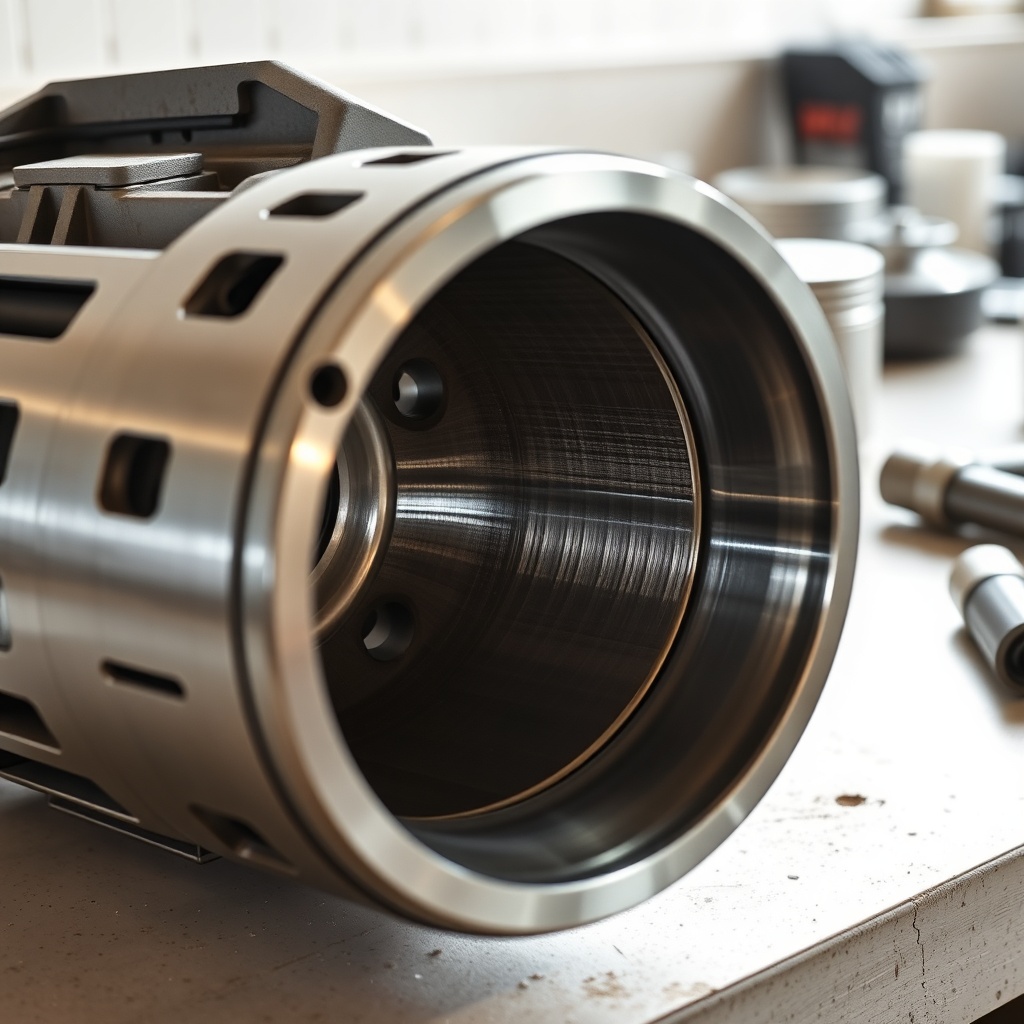
2. What Parts Are Needed for the Cylinder and Piston Replacement?
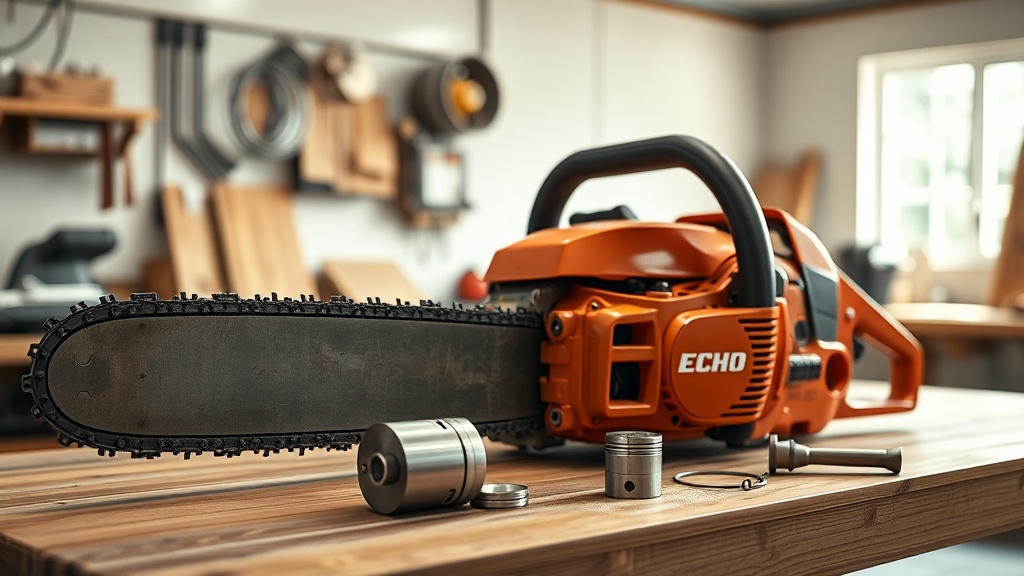
For a complete job, the following Echo OEM or high-quality aftermarket components are required:
| Part | Echo Part Number (OEM) | Estimated Cost (GBP/€/USD) | Notes |
|---|---|---|---|
| Cylinder assembly (with piston kit) | A320000610 | £72-£85 / €84-€99 / $85-$100 | Includes cylinder, piston, rings, wrist pin, and circlips. |
| Piston ring set (if buying separately) | A320005030 | £12-£18 / €14-€21 / $15-$22 | Verify ring orientation; top ring is molybdenum-faced. |
| Cylinder base gasket | P020000680 | £3-£5 / €3.50-€6 / $4-£6 | Thickness is 0.5mm; do not reuse. |
| Cylinder head gasket (if applicable) | P020000570 | £4-£6 / €4.70-€7 / $5-£8 | Use only OEM to prevent leaks. |
| Meteor or Hyway complete top-end kit (aftermarket) | 547-620 (Meteor) | £45-£58 / €53-€68 / $55-$70 | Often includes gaskets; check compatibility. |
Additionally, you will need a new spark plug (NGK BPMR7A), fresh fuel mixture (50:1 with high-quality 2-stroke oil), and assembly lubricant. Using a torque wrench is strongly advised.
3. How Do I Prepare the Saw for Cylinder and Piston Replacement?
Safety and proper disassembly are vital. Start by removing the bar and chain, draining the fuel tank, and pulling the spark plug. Then:
- Remove the muffler: Use a Torx T20 bit to loosen the two bolts securing the muffler. Inspect the muffler outlet for excessive carbon or scoring—this can indicate deeper issues. Refer to our Echo CS-590 Timber Wolf Muffler Modification Power Gain Test: Before & After On-Site Results for cleaning tips.
- Remove the recoil starter: Unfasten the four screws holding the recoil assembly; set aside. Refer to the Echo CS-590 Timber Wolf Recoil Starter Replacement Guide if needed.
- Disconnect the carburetor: Remove the air filter cover and air filter, then detach the throttle and choke linkages from the carburetor. Label the fuel and impulse lines. The Echo CS-590 Timber Wolf Carburetor Rebuild Guide: Step-by-Step for Better Performance offers detailed disassembly steps.
- Remove the cylinder head cover: Two nuts (12mm) hold the cylinder to the crankcase. Use a crisscross pattern to loosen them evenly.
Clean all mating surfaces with a gasket scraper; avoid scratching the crankcase face.
4. What Is the Step-by-Step Process for Removing the Old Cylinder and Piston?
With the saw stripped down, follow these steps:
- Lift the cylinder: Gently rock the cylinder back and forth while pulling upward. If sticky, tap lightly with a rubber mallet. Do NOT pry with a screwdriver as this will damage the base gasket surface.
- Remove the piston clips: Using needle-nose pliers, extract the two circlips securing the wrist pin. Watch your eyes—these clips can fly.
- Slide out the wrist pin and piston: With the cylinder off, push the wrist pin through from one side; remove the piston and connecting rod assembly. Mark the orientation (exhaust side down) for the new piston.
- Inspect the connecting rod: Check for play in the crank bearing; any wobble means the bottom end needs attention before reassembly.
Warning: If the old cylinder shows deep gouging (blue discoloration or aluminum transfer), inspect the crank bearings and seals; metal debris can damage the new top end.
5. How Do I Install the New Cylinder and Piston Correctly?
This is the most critical part of the job. Errors here will destroy the new parts quickly.
- Lubricate everything: Coat the new piston rings, cylinder bore, wrist pin, and connecting rod bearing with clean 2-stroke oil.
- Compress the rings: Use a ring compressor tool or a zip tie to hold the rings in place during installation. The ring gaps must face the piston pin orientation marks (usually dots on the ring ends).
- Slide the cylinder down: Align the piston into the cylinder bore with the exhaust side facing the muffler port. Gently push the cylinder down while rotating the flywheel. Never force it—if the rings catch, stop and reposition.
- Install the base gasket: Place a new gasket on the crankcase (dry—no sealant). Apply a thin layer of high-temp silicone to the gasket on the intake and exhaust passages only.
- Torque the cylinder nuts: Tighten to 8-10 Nm (6-7.4 ft-lb) in a cross pattern. Overtightening can warp the cylinder base.
Reassemble the muffler, carburetor, recoil starter, and bar/chain. Use a torque wrench for the cylinder nuts; hand-tightening is unreliable.
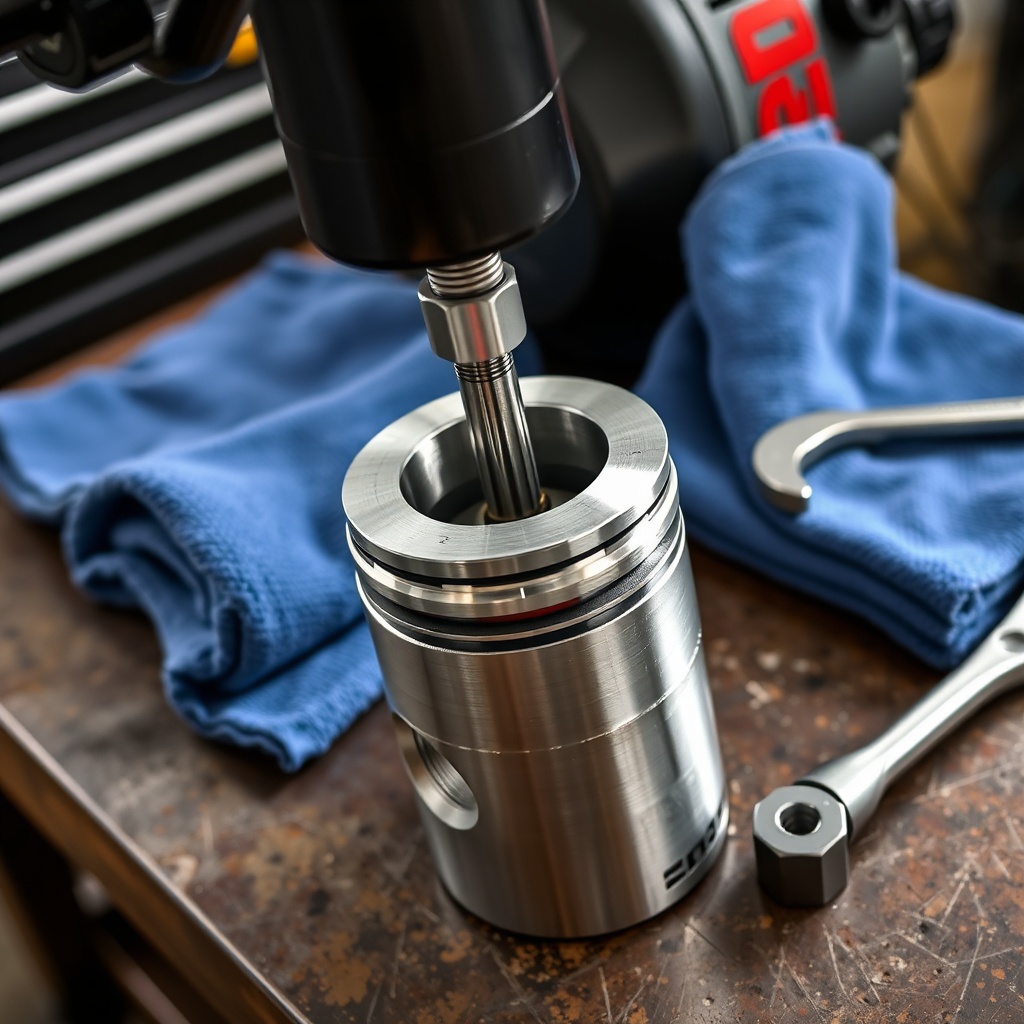
6. What Post-Replacement Checks Should Be Done?
After reassembly, verify the work before running the saw:
- Check decompression valve: If the saw has a decompression valve, test operation; see the Echo CS-590 Timber Wolf Decompression Valve Replacement Guide for troubleshooting.
- Compression test: After 10–15 pulls (new rings need seating), compression should be 140-160 psi. Lower values indicate a leak or improper ring seating.
- Pressure test: Use a diagnostic tool to pressurize the crankcase to 7 psi; it should hold for 30 seconds without drop.
- Run-in procedure: Start the saw and let it idle for 5 minutes. Then run two tanks of fuel under light load (e.g., cutting small branches) before full-throttle use. This allows the rings to seat properly.
- Check for leaks: Inspect all gasket surfaces for fuel or air leaks while running; a too-lean mixture can quickly damage the new top end.
What Owners Say About Cylinder and Piston Replacement on the CS-590
Owners of the Echo CS-590 Timber Wolf frequently praise the simplicity of the top-end replacement compared to competitor models. Many report that using an aftermarket Meteor or Hyway kit yields performance nearly indistinguishable from OEM, at a 30-40% cost saving. Common tips from the forums include: always replace the cylinder base gasket even if it looks intact; avoid reusing old circlips; and run a 40:1 ratio for the first tank after replacement to aid ring seating. Some users caution that if the saw was run lean or overheated, the crankshaft seals may also be compromised—replacing them simultaneously is wise. Overall, the CS-590 is considered one of the most repair-friendly chainsaws in its class, with most DIYers completing the job in under 3 hours.
Frequently Asked Questions
Q1: Can I replace only the piston rings without changing the cylinder?
A: It depends on cylinder condition. If the bore shows no scoring, glazing, or out-of-round measurement (more than 0.002 inches), you can replace just the rings. However, replacing the entire top-end kit is often cheaper and more reliable.
Q2: What is the typical cost for a full cylinder and piston replacement on the CS-590?
A: The OEM cylinder/piston kit costs around £72-£85 (€84-€99, $85-$100). Aftermarket kits start at £45 (€53, $55). Including gaskets, oil, and a spark plug, expect total costs between £55 and £95 (€65-€110, $65-$115).
Q3: How long will the new cylinder and piston last?
A: With proper fuel mixture (50:1), quality oil, and regular air filter cleaning, the top end can last 300-500 hours of use. Neglecting air filter maintenance or using contaminated fuel reduces life dramatically.
Q4: Do I need to replace the decompression valve when doing the top end?
A: It is not mandatory, but it is advisable to check the valve operation and replace it if it leaks or sticks. A faulty decompression valve can cause hard starting. See the dedicated guide linked above.
Q5: Can I reuse the old cylinder head bolts?
A: Yes, the cylinder nuts and studs can be reused if threads are clean undamaged. Apply blue Loctite to the nuts if they are prone to loosening.
Q6: What happens if I install the piston rings upside down?
A: The rings have a specific orientation—the marking (often a dot or letter) must face upward. Installing them backward will cause oil consumption, poor compression, and rapid wear. Always check the manufacturer’s instructions.