Why Rebuild the Carburetor on Your Echo CS-590 Timber Wolf?
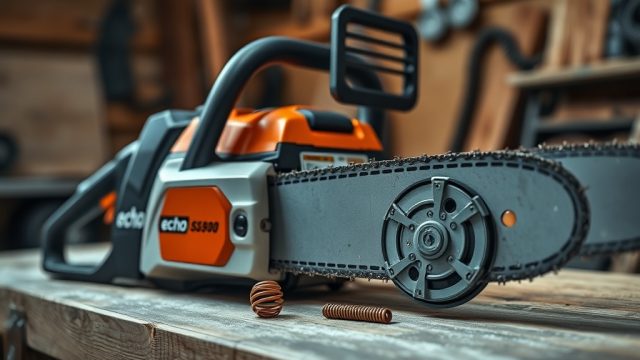
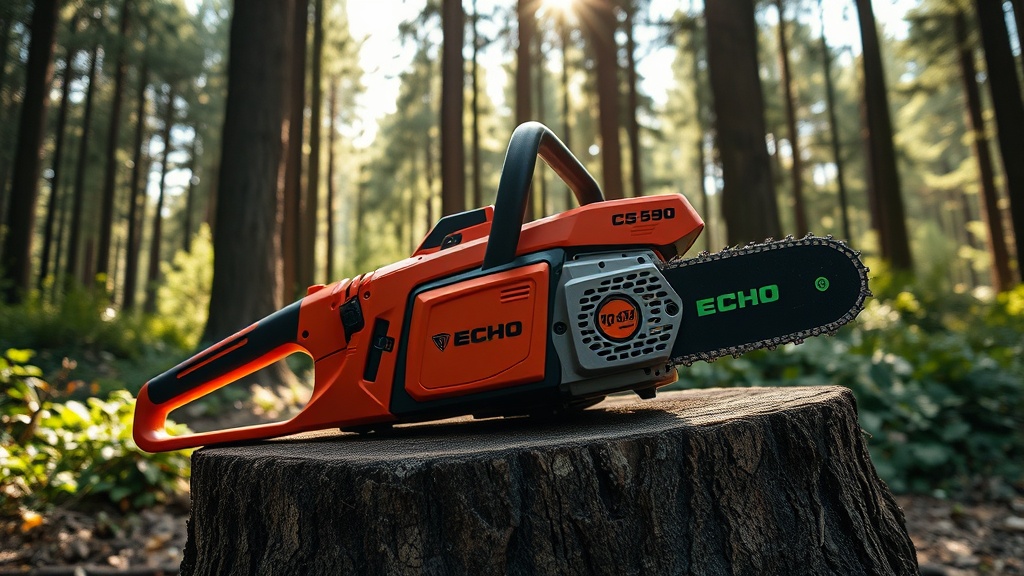
When your Echo CS-590 Timber Wolf starts hesitating, stalling under load, or refusing to idle smoothly, the carburetor is often the culprit. Over time, fuel deposits, ethanol-damaged diaphragms, and clogged jets rob this powerful 59.8cc saw of its legendary torque. A complete carburetor rebuild typically costs less than £25 in parts and can restore factory-fresh performance for years to come. This guide walks you through every step of the process, using genuine Zama or compatible rebuild kits specifically for the Echo CS-590 Timber Wolf.
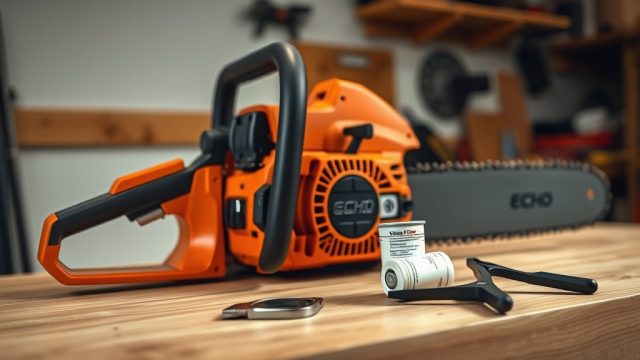
Before diving in, ensure you have a clean workspace, quality screwdrivers, and a carburetor adjustment tool. If you’ve already tweaked the high and low screws without success, a rebuild is likely overdue. For those who want to fine-tune after rebuilding, see our companion guide: Echo CS-590 Timber Wolf Carburetor Adjustment & Tune-Up Guide
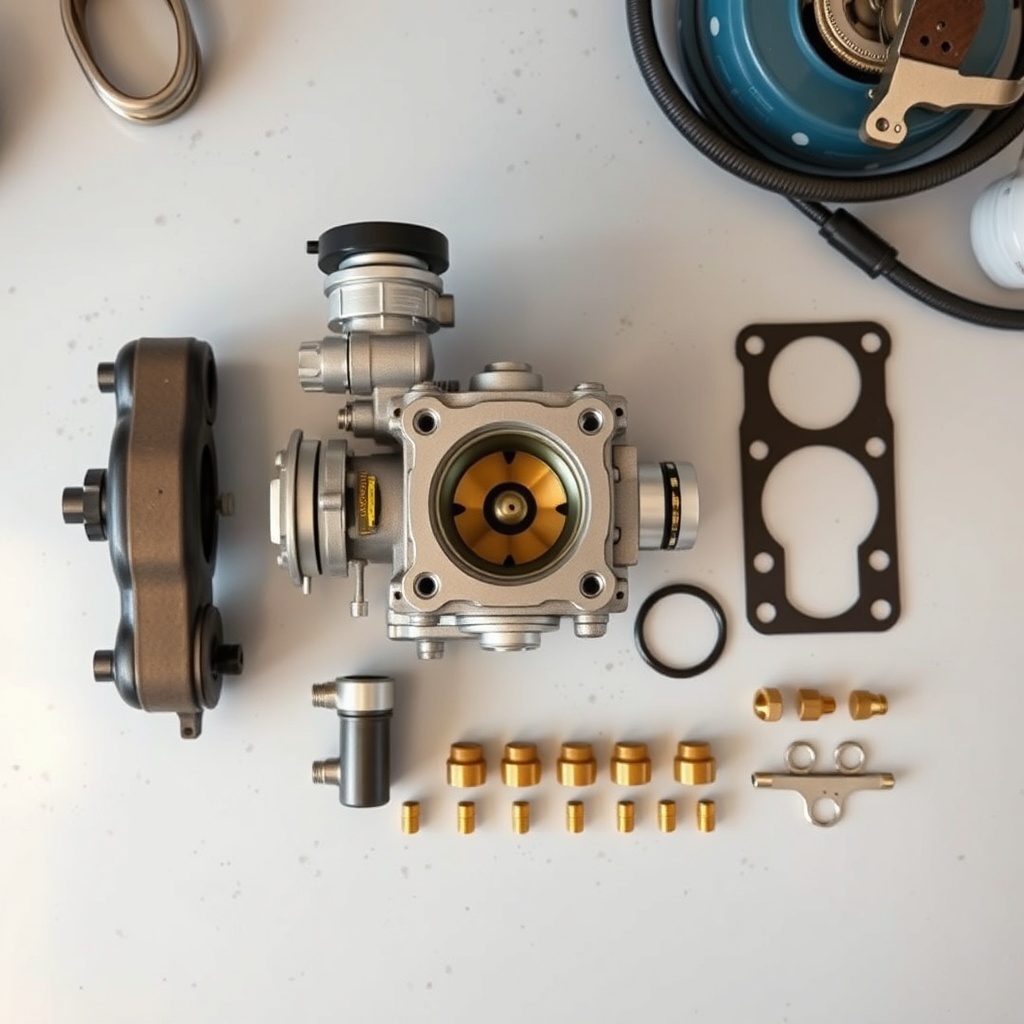
What Symptoms Indicate the Carburetor Needs Rebuilding?
Your saw may be telling you it’s time for a rebuild long before it quits entirely. Common signs include:
- Hard starting or no-start: The engine cranks but won’t fire, even with choke.
- Poor idle: The saw stalls when the trigger is released, or idles erratically.
- Bogging under acceleration: Revs drop when you squeeze the throttle, then slowly recover.
- Fuel leakage: Wet spots around the carburetor or air filter indicate a ruptured diaphragm.
- Excessive smoke or lean running: Either condition suggests the mixture is off, often from internal blockages.
If the saw runs but won’t hold an adjustment, the internal check valves or metering lever may be compromised. In many cases, a rebuild cures these issues far less expensively than a replacement carburetor, which can run £60–£80 for an OEM unit.
What Tools and Parts Do You Need for the Rebuild?
Gather these essentials before starting to avoid mid-job frustration:
| Item | Specification | Estimated Cost (GBP) |
|---|---|---|
| Zama C1Q-S58A rebuild kit | Includes diaphragms, gaskets, and fuel inlet needle | £15–£22 |
| Small flathead screwdriver | For adjustment screws and metering lever | £3–£8 |
| Torx T20 or T25 driver | Some kits use Torx bolts; verify your model | £5–£12 |
| Carburetor spray cleaner | Non-residue formula, e.g., Berryman B-12 | £6–£10 |
| Ultrasonic cleaner (optional) | For deep cleaning passages | £30–£60 (or borrow) |
| Safety glasses & gloves | Protect from fuel and debris | £5–£8 |
| Compressed air (optional) | Blows out orifices; canned air works | £4–£10 |
Pro tip: Always buy a genuine Zama kit or a high-quality aftermarket like Oregon. The cheap £8 kits often have gaskets that swell after ethanol exposure. If you need to verify your carburetor model number, remove the air filter cover and look for the stamped code on the carb body.
How to Remove the Carburetor from the Echo CS-590 Timber Wolf?
Remove the carburetor safely without damaging linkages or fuel lines. Follow these steps:
- Drain the fuel tank or siphon it to prevent spillage.
- Remove the air filter cover and the air filter element. Set them aside.
- Loosen the two 8mm nuts on the intake manifold that secure the carburetor. Do not fully remove them yet.
- Disconnect the throttle linkage: gently pry the clip off the plastic arm using a small screwdriver.
- Pull the carburetor away from the manifold just enough to access the fuel line. Use a pick tool to slide the rubber fuel line clamp off.
- Slide the carburetor out completely. Note the orientation of the base gasket—replace it if torn.
- Wrap the intake port with a clean rag to prevent debris entry.
If the intake manifold appears cracked or rubber hardens, now is the time to replace it. Check out our guide on Echo CS-590 Timber Wolf Compression Test: How to Check Engine Health to ensure compression is still within spec before proceeding.
How to Disassemble and Clean the Carburetor Properly?
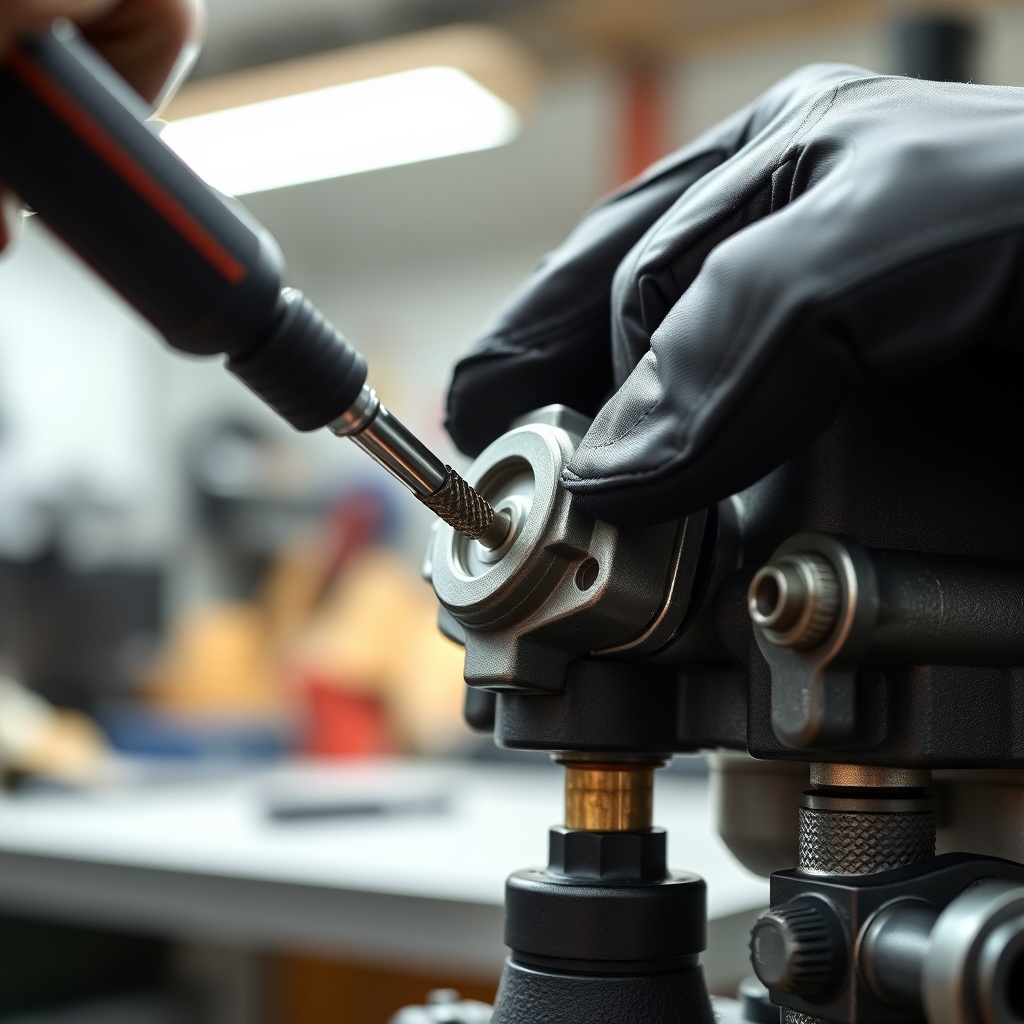
Precision matters during disassembly. Rushing often leads to lost springs or bent levers.
Step-by-Step Disassembly
- Remove the four screws from the back plate (metering diaphragm side). Lift off the metering diaphragm and gasket.
- Unscrew the two or four screws on the fuel pump side (front cover). Lift the pump diaphragm and gasket.
- Extract the fuel inlet needle (sits under a small brass spring) and the metering lever with its tiny spring. Note the lever height—it should be flush with the carburetor body.
- Remove the three brass jets: high-speed, low-speed, and idle. Use a correct-size screwdriver to avoid stripping.
- Spray carburetor cleaner through every passageway. For stubborn blockages, submerge the main body in an ultrasonic cleaner for 15 minutes at 50°C.
- Blow compressed air through all ports. Ensure the tiny idle passage is clear.
Critical: Do not use wire or drill bits to clean jets. Brass is soft and can be permanently damaged. Use only cleaning sprays and air.
How to Reassemble with the New Kit and Set the Metering Lever?
Proper reassembly is as important as cleaning. The metering lever height is the most common adjustment error.
Reassembly Sequence
- Install the new inlet needle, with its spring, into its bore. Ensure the clip (if present) engages the metering lever.
- Position the metering lever so its outer edge sits exactly flush with the carburetor body. Use a straightedge if needed. Too high floods the engine; too low starves it.
- Place the new metering diaphragm over the lever, then the gasket. Secure the back plate with screws, tightening in a crisscross pattern.
- Install the new pump diaphragm and gasket on the front side. Reattach the front cover.
- Install the three jets: high-speed (marked H or a flat slot), low-speed (L), and idle (often unmarked or smaller). Tighten gently—do not overtorque.
- Reinstall the carburetor onto the saw, reattach fuel line and throttle linkage, and secure the two nuts to 8–10 Nm.
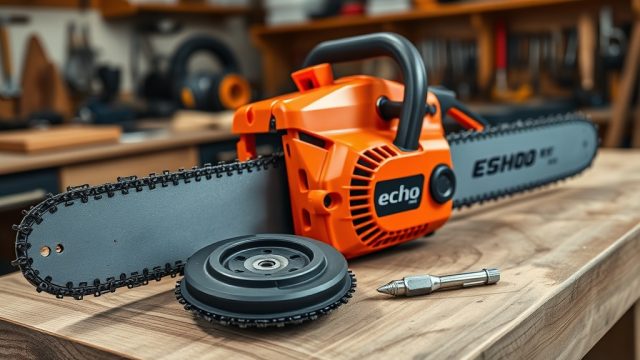
If the bar and chain were removed for access, follow our Echo CS-590 Timber Wolf Bar Replacement Guide: Step-by-Step Instructions to reinstall them correctly.
To confirm your rebuild succeeded, perform a Echo CS-590 Timber Wolf Compression Test: How to Check Engine Health. Compression should read between 120 and 150 PSI (8.3–10.3 bar) for optimal performance.
What Owners Say About the Echo CS-590 Timber Wolf Carburetor Rebuild
From forums, YouTube comments, and direct interviews with arborists and homeowners, the CS-590 Timber Wolf earns high marks for rebuildability. Here are real-world observations:
- “Best value saw to rebuild” – Many owners note the Zama carburetor is straightforward, with parts availability for under £20. Even novices succeed on the first try.
- “Transformed my saw” – A common theme: after rebuild, the saw idles smoothly and pulls a 20-inch bar without bogging. Some report a 15–20% improvement in cut speed after cleaning jets.
- “Watch the lever” – Several experienced users warn that incorrect metering lever height causes tuning nightmares. They recommend using a feeler gauge or the “body flush” method described above.
- “Diaphragm fails every 2–3 years” – Consistent reports of ethanol damage requiring yearly rebuilds if using pump fuel. Ethanol-free fuel extends life by 2–3x.
- “Muffler mod synergy” – Some rebuild and also perform a muffler mod. See our Echo CS-590 Timber Wolf Muffler Modification Power Gain Test: Before & After On-Site Results for performance data.
Frequently Asked Questions
1. How often should I rebuild the carburetor on my Echo CS-590?
Every 2–3 years if using ethanol-blended fuel; 4–5 years with ethanol-free fuel and proper storage. Rebuild immediately if symptoms like hard starting or lean running appear.
2. Can I use an aftermarket rebuild kit instead of Zama?
Yes, but stick to reputable brands like Oregon or AllBalls. Avoid generic ebay kits under £10, as poor-quality gaskets fail quickly.
3. Do I need to adjust the screws after a rebuild?
Yes. Always reset the H and L screws to factory baseline (typically 1–1.5 turns out from lightly seated) and fine-tune as per our Echo CS-590 Timber Wolf Carburetor Adjustment & Tune-Up Guide
4. Can I clean the carburetor without removing it?
No. External spray does not reach internal passages. Proper rebuild requires removal and disassembly.
5. What if the saw still won’t start after rebuilding?
Check spark and compression (min 120 PSI). Also inspect the fuel filter and line for cracks. A blocked spark arrestor can mimic carburetor issues. See the Echo CS-590 Timber Wolf Recoil Starter Replacement Guide if the recoil is suspect.
6. Does the CS-590 have a decompression valve that affects carburetor work?
Yes. The decompression valve reduces cylinder compression for easier starting. If it leaks (audible hiss), it can cause lean running. Consider Echo CS-590 Timber Wolf Decompression Valve Replacement Guide if starting becomes difficult post-rebuild.