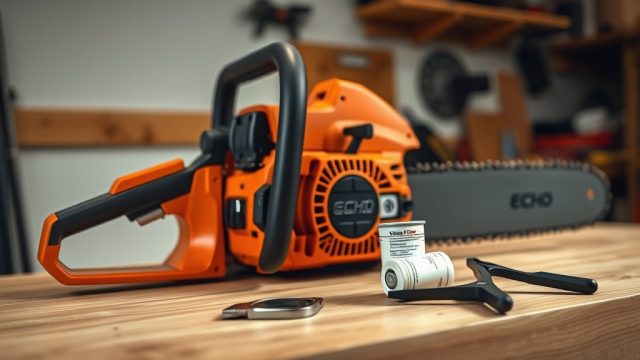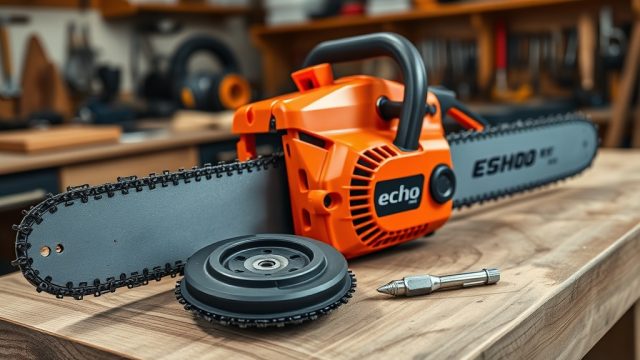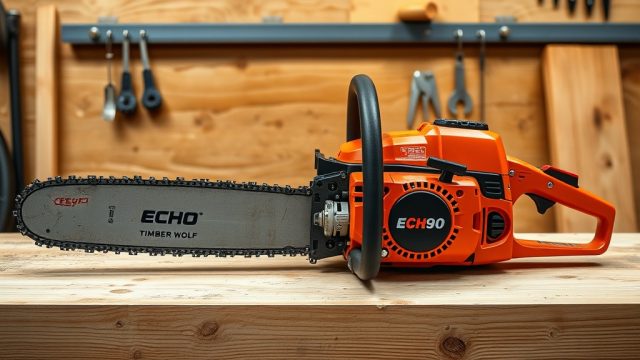
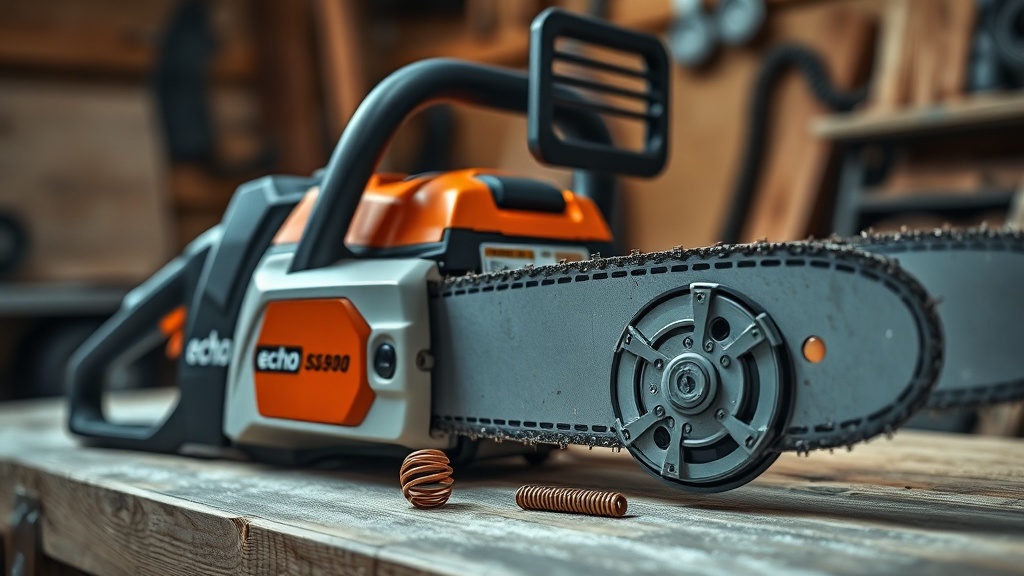
Why Does the Echo CS-590 Timber Wolf Need a Clutch Spring Replacement?
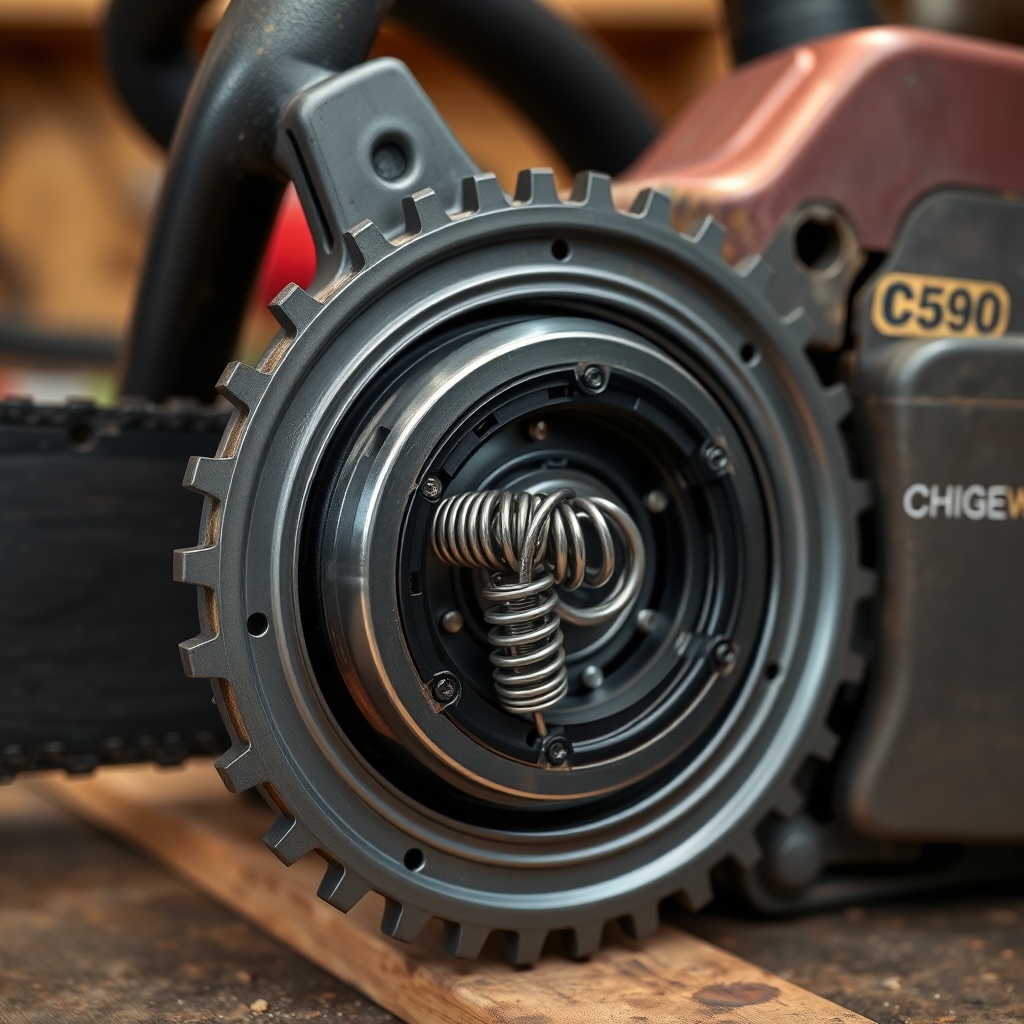
The Echo CS-590 Timber Wolf is a workhorse in the mid-size chainsaw category, known for its reliable 59.8cc engine and robust build. However, like any high-torque saw, the centrifugal clutch assembly undergoes significant stress during operation. The clutch springs—specifically the two return springs that retract the clutch shoes—are consumable parts. Over time, heat cycles, RPM spikes, and general wear cause these springs to lose tension or break. When this happens, the saw may fail to engage the chain properly at idle (stalling) or, conversely, the chain may creep at idle, posing a safety risk. Addressing a failing clutch spring promptly is critical to avoid damaging the clutch drum, chain, or the starter system. This guide provides a comprehensive, step-by-step approach for diagnosing and replacing the clutch springs on your Echo CS-590 Timber Wolf.
What Are the Symptoms of a Faulty Clutch Spring on the Echo CS-590?
Recognizing the early signs of clutch spring failure can save you from a stalled saw or a dangerous runaway chain. Here are the most common indicators:
- Chain Creep at Idle: The chain rotates even when the throttle is not engaged. This is often the first sign and indicates weak or broken springs not retracting the shoes.
- Hard Starting or Stalling: If the clutch shoes are partially engaged, the engine struggles to overcome the drag, leading to difficult starts or stalling immediately after starting.
- Excessive Vibration at Idle: A worn spring can cause uneven shoe movement, resulting in noticeable vibration felt through the handles.
- Burning Smell or Smoke from Clutch Area: Friction from partially engaged shoes generates heat, often accompanied by a burnt rubber or metallic odor.
- No Drive or Slipping Under Load: In severe cases, a broken spring can allow a shoe to jam, causing the clutch to slip rather than engage properly.
If you observe any of these symptoms, it is prudent to inspect the clutch assembly. Ignoring them can lead to damage to the chain catch and the clutch drum.
What Tools and Parts Do You Need for a Clutch Spring Replacement?
Before starting the repair, gather all necessary tools and replacement components. Using the correct parts ensures a proper fit and long-term reliability. Below is a comprehensive checklist:
Tools Required
- Echo CS-590 Timber Wolf clutch removal tool (piston stop or spark plug socket can substitute, but a dedicated tool is recommended)
- Socket wrench set (typically 13mm or 19mm for the clutch nut)
- Torx T27 or T30 bit (for clutch cover and bar nuts)
- Flathead screwdriver (for prying the clutch retaining spring)
- Needle-nose pliers
- Thread locker (medium strength, e.g., Loctite 242)
- Clean rag and parts cleaner
- Work gloves and eye protection
Replacement Parts
- Echo OEM clutch springs (part number: 1301-223-1 for the set of two)
- Optional: New clutch retaining ring (part number: 1301-223-2) if the old one is worn
Using aftermarket springs may save money but often results in premature failure. For consistent performance, stick with OEM Echo parts.
How to Replace the Clutch Springs on the Echo CS-590: Step-by-Step
This procedure requires careful attention to detail. Always disconnect the spark plug wire before starting any repair. Here is the step-by-step process:
- Prepare the Saw: Remove the bar and chain. Clean the sprocket area and clutch housing of debris and old lubricant. This prevents contamination during reassembly.
- Remove Clutch Cover and Chain: Unscrew the two bar nuts and lift off the clutch cover. Slide the chain off the sprocket and remove the bar.
- Rotate the Clutch Drum: Use the piston stop tool or a soft wood wedge inserted through the spark plug hole to lock the crankshaft. Alternatively, use the clutch removal tool to hold the drum.
- Loosen the Clutch Nut: Using the appropriate socket (usually 19mm for the CS-590), turn the nut counter-clockwise. Note: The clutch nut is right-hand threaded (normal direction). Remove the nut and the flat washer beneath it.
- Remove Clutch Drum and Shoe Assembly: Pull the clutch drum off the crankshaft. The shoe assembly is now exposed. Note the orientation of the spring ends—they attach to small pins on the shoe arms.
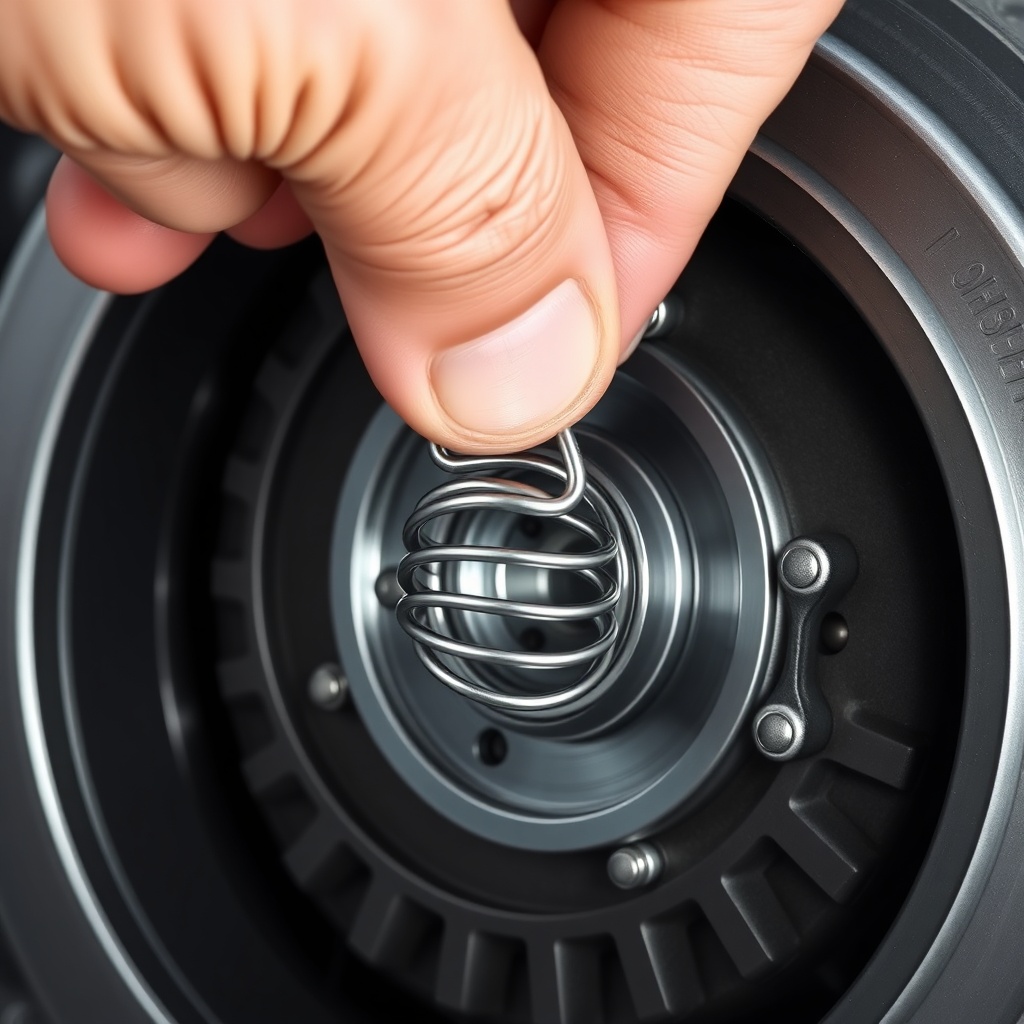
- Extract the Old Springs: Use needle-nose pliers to carefully unhook each spring from its anchor point on the shoe and the hub. If a spring is broken, remove the fragments. Clean the shoe pivot points with a rag.
- Install New Springs: Hook one end of the new spring onto the shoe’s pin. Then, stretch the spring just enough to hook the other end onto the hub. Repeat for the second spring. Ensure both springs are seated evenly.
- Test the Shoe Movement: Manually push the clutch shoes outward—they should retract smoothly and evenly. If one shoe sticks, re-check spring installation.
- Reassemble in Reverse Order: Slide the clutch drum back onto the crankshaft, ensuring it mates with the shoes. Install the flat washer and tighten the clutch nut to 35-40 ft-lbs (47-54 Nm). Use thread locker on the nut.
- Reinstall Bar and Chain: Mount the bar, install the chain with correct tension, and replace the clutch cover. Tighten bar nuts evenly.
- Final Check: With the spark plug wire still disconnected, pull the starter rope slowly. The chain should not rotate. Reconnect the spark plug, start the saw, and verify no chain creep at idle.
If you encounter stubborn rust or a stuck drum, consider inspecting the chain oiler system, as residual oil can sometimes glue the assembly.
Clutch Spring Troubleshooting: Common Issues and Solutions
Even with a new spring set, issues can arise. This table outlines common problems, probable causes, and recommended fixes:
| Issue | Probable Cause | Solution |
|---|---|---|
| Chain still creeps after spring replacement | Idle speed too high; new springs not matched to OEM spec | Adjust carburetor idle screw; verify part number matches OEM |
| Clutch shoe binds after reassembly | Bent shoe pivot; debris in pivot area | Replace shoe assembly; clean pivot with brake cleaner |
| Clutch nut keeps loosening | Insufficient thread locker; nut damaged | Re-apply thread locker; replace nut if threads are worn |
| Stiff clutch engagement | Spring tension too high (non-OEM springs); pre-load incorrect | Use OEM Echo springs; double-check spring hook orientation |
| Vibration at high RPM | Clutch drum bearings worn; shoes worn unevenly | Replace clutch drum and/or shoe assembly |
| Smoke from clutch area | Oil contamination on shoes; excessive heat from slipping | Clean shoes with degreaser; check bar oil volume (see bar oil comparison guide) |
What Do Owners Say About the Echo CS-590 Timber Wolf Clutch Spring Durability?
Feedback from the SawSavvy community and online forums consistently highlights the Echo CS-590 Timber Wolf as a reliable, high-value saw for firewood cutting and property maintenance. Regarding clutch springs, owners report the following patterns:
- Longevity: Most users find the OEM springs last 2-3 years of regular use (100-150 hours) before showing signs of wear. Heavy-duty operators who cut oak or ash frequently note earlier failure around 80-100 hours.
- OEM vs. Aftermarket: A common refrain: “Don’t cheap out on springs.” Owners who used generic parts often experienced repeated failures within weeks. OEM springs are considered a necessity for consistent clutch performance.
- Installation Tips: Several users recommend using a heat gun to warm the clutch assembly before attempting spring removal, as cold metal makes springs brittle. The consensus is that the procedure is straightforward for a DIY mechanic, but a clutch removal tool is a wise investment.
- Related Issues: Many owners note that a failing chain oiler can mimic clutch spring problems. For instance, if the chain is dry, it can cause drag that feels like clutch creep. A thorough diagnosis, including checking the fuel filter for clean flow, is advised.
- Overall Satisfaction: Despite the eventual need for spring replacement, the Echo CS-590 is praised for its power-to-weight ratio and easy maintenance. As one owner put it: “Once you replace the springs, it’s like a new saw.”
Frequently Asked Questions
Can I replace only one clutch spring on the Echo CS-590?
It is recommended to replace both springs simultaneously. Even if only one appears weak, the other is likely worn to a similar degree. Mixing old and new springs can cause uneven shoe engagement and premature failure.
What is the torque specification for the clutch nut on the CS-590?
The recommended torque is 35-40 ft-lbs (47-54 Nm). Over-tightening can strip the crankshaft threads, while under-tightening allows the nut to loosen during operation. Always use a torque wrench and apply medium-strength thread locker.
How do I know if the clutch drum also needs replacement?
Inspect the drum’s inner surface for scoring, grooves, or blue discoloration (signs of overheating). Also check the bearing for roughness. If the drum shows wear or the bearing is noisy, replace it along with the springs. A worn drum can damage new springs quickly.
Why does my Echo CS-590 chain still creep after new springs?
First, verify the idle speed is not set too high—adjust the idle screw so the chain stops within 3 seconds of releasing the throttle. If the idle speed is correct, check that the new springs are properly seated and that the shoes move freely. Contaminated shoes (oil-soaked) can also cause creep.
Are aftermarket clutch springs from Amazon compatible with the CS-590?
Compatibility varies widely. Some aftermarket springs have incorrect tension, leading to dull engagement or rapid wear. For reliable performance, especially in a saw used for firewood cutting (as reviewed in our firewood cutting performance review), OEM Echo springs are strongly advised.
Can a stuck clutch spring cause damage to the recoil starter?
Yes, a severely stuck or broken clutch spring can lock the clutch assembly, which places extreme stress on the recoil starter. If you hear a grinding noise or feel resistance when pulling the starter, inspect the clutch immediately. For guidance on the starter assembly, see our recoil starter replacement guide.