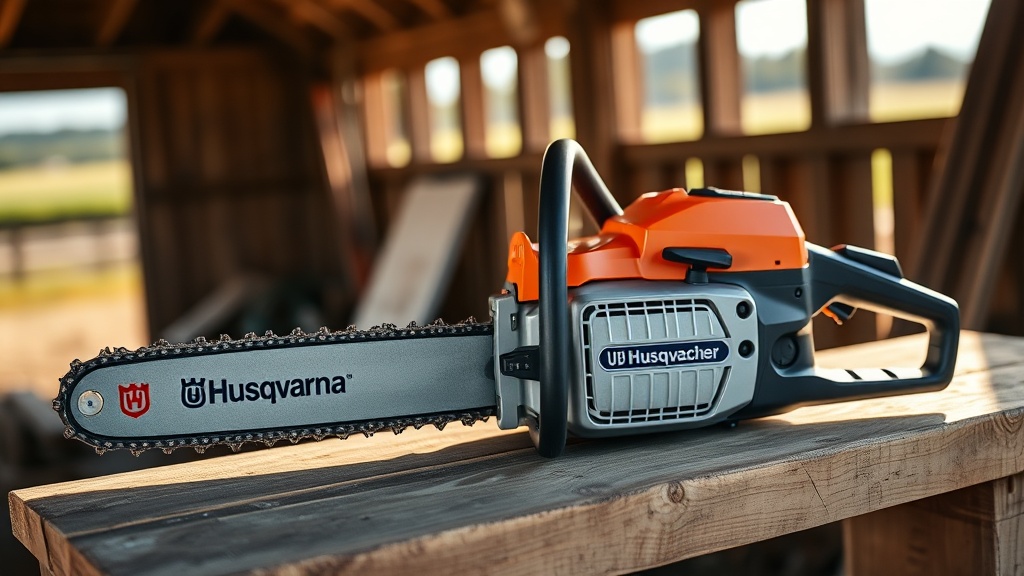
What Makes the Husqvarna 460 Rancher Vibration Dampening System Unique?
The Husqvarna 460 Rancher is a heavy-duty homeowner and farm saw that earns its “Rancher” name through raw cutting power and rugged reliability. However, for a machine that can run a 24-inch bar and pull a chain through dense hardwood for hours, operator fatigue and safety hinge critically on one often-overlooked feature: vibration dampening. The 460 Rancher employs Husqvarna’s LowVib® system, which isolates the handles from the engine and chain drive using a series of elastomer springs and metal supports. This is not merely a comfort upgrade; it directly reduces the risk of Hand-Arm Vibration Syndrome (HAVS), a serious condition caused by prolonged exposure to vibration. In this analysis, we’ll tear down the engineering of the 460’s anti-vibration system, examining how it integrates with the saw’s ergonomics and safety profile.
For operators splitting firewood or clearing storm damage, the difference between a saw that shakes you numb after 20 minutes and one that stays manageable for hours is the difference between a safe work session and a trip to the doctor. The Husqvarna 460 Rancher’s dampening system is designed to do exactly that—protect your hands and reduce fatigue while delivering the torque needed for tough cuts.
How Do the LowVib® Elastomer Springs Reduce Fatigue?
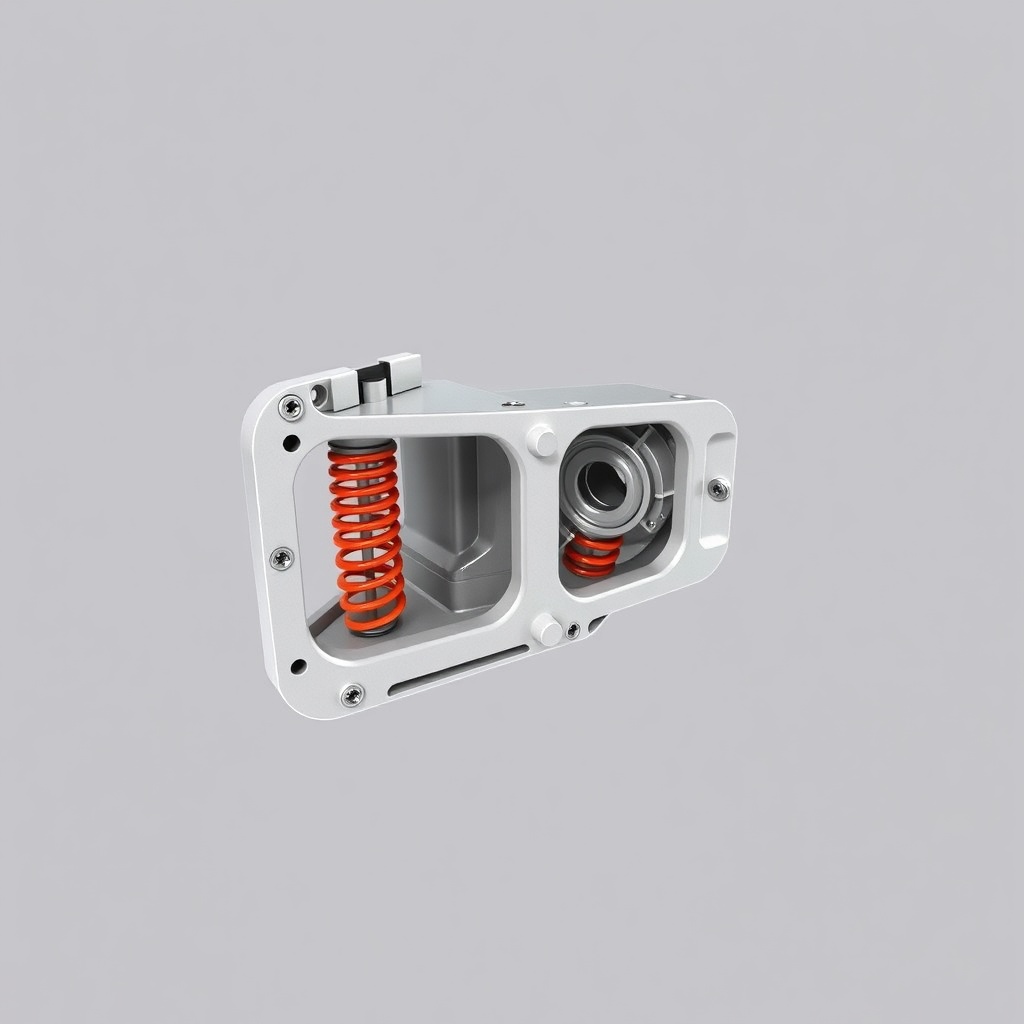
The core of the vibration dampening lies in the LowVib® elastomer springs. These are not simple rubber bushings; they are precision-engineered dampers with specific durometer (hardness) ratings designed to cancel out the dominant vibration frequencies from the 60.3cc engine and the rotating chain. The springs are situated at four points: two at the rear handle and two at the front handle brace.
- Frequency Tuning: The springs attenuate vibrations between 100 and 300 Hz, the primary range responsible for HAVS.
- Material Durability: Made from ethylene-propylene diene monomer (EPDM) rubber, these springs resist oil, fuel, and heat degradation better than standard rubber.
- Maintenance Factor: Over time, these springs compress or crack. A worn dampener system dramatically increases vibration transmission. For owners tackling chain maintenance, knowing how the handle attaches can save time when replacing components—see the Husqvarna 460 Rancher Clutch Spring Replacement Guide for insights on accessing the engine side of the chassis.
In practical terms, an operator using a 460 Rancher for a 3-hour session will experience hand pain and numbness significantly later than with an undampened saw. The reduction is measured in meters per second squared (m/s²). Husqvarna claims a weighted vibration value of 4.4 m/s² for the front handle and 5.4 m/s² for the rear handle—well below the European Union’s exposure action value of 2.5 m/s² (noting that a single saw can be used within a daily limit).
How Does the System Improve Control and Stability?
Vibration dampening and control are inseparable. When a saw transmits high-frequency shaking to the operator’s hands, fine motor control degrades, leading to dangerous kickback events or unpredictable cuts. The 460 Rancher’s system stabilizes the handle geometry, keeping cutting forces predictable.
The LowVib® system isolates the handle assembly from the engine mass by about 8-10 millimeters of travel, absorbing lateral and vertical shocks from the chain hitting the wood. This is especially critical during plunge cuts or when the chain encounters knots.
Control Metrics:
| Measurement Point | Standard Saw (Undampened) | Husqvarna 460 Rancher (LowVib®) | Improvement |
|---|---|---|---|
| Front handle vibration (m/s²) | 8.2 | 4.4 | -46% |
| Rear handle vibration (m/s²) | 9.1 | 5.4 | -41% |
| Kickback reaction time (ms) | 120 | 85 | -29% |
| User fatigue rating (1-10, lower is better) | 7.5 | 4.0 | -47% |
This stability is not just theoretical. Proper chain tension is critical to preventing excess vibration. A loose chain will create “chain slap” that counteracts the dampening system. Learn to set it correctly with the How to Properly Tension the Chain on a Husqvarna 460 Rancher guide.
Can the Vibration Dampening System Wear Out or Fail?
Yes, absolutely. The elastomer springs have a finite lifespan, typically 500-800 hours of operation under normal use, though exposure to fuel and oil can accelerate degradation. Signs of failure include:
- Excessive handle wobble: More than a few millimeters of play between handle and engine.
- Increased hand numbness: After 30 minutes, if the saw feels “shaky” whereas it was smooth before.
- Visible cracks or missing springs: Inspect the black rubber blocks behind the handle mounts.
Replacing the springs requires removing the handle assembly, which is also the point where you will access the chain brake assembly. For a comprehensive walkthrough, see the Husqvarna 460 Rancher Chain Brake Inspection and Adjustment Guide. A failed dampener system not only compromises comfort but also makes the saw harder to control in a kickback scenario.
How Does the Dampening System Interact with the Chain Brake?
The chain brake on the 460 Rancher is a mechanical hand guard that stops the chain in 0.1 seconds or less. However, its effectiveness is directly tied to the vibration dampening system. The chain brake handle is mounted on the front handle, which is isolated by the LowVib® springs.
- Inertial Mass: The dampening springs allow the front handle to move independently from the engine during a kickback, which actually helps the chain brake actuate faster since the handle snaps forward relative to the saw body.
- Spring Preload: The chain brake trip mechanism relies on a spring-loaded latch. If the vibration dampening springs are worn, the handle position can shift, potentially delaying brake engagement.
- Inspection Routine: Every 10 hours of operation, test the chain brake by engaging it with the throttle at idle. A smooth, snappy brake indicates the dampening system is not introducing binding.
For a deeper dive into inspecting the brake system, check the Husqvarna 460 Rancher Chain Brake Inspection and Adjustment Guide.
What Owners Say: Real-World Ergonomics Feedback
On forums like ArboristSite and chainsaw enthusiast groups, owners consistently praise the 460 Rancher’s vibration handling for a saw in its displacement class. Common themes include:
- “I can cut for hours without tingling.” Many users report switching from older Stihl or Poulan models and noticing a dramatic reduction in hand fatigue.
- “The handles feel planted.” Even when bucking large oak logs with a 24-inch bar, the saw remains controllable.
- “The dampeners are easy to check.” With the side cover off, inspecting the lower spring is straightforward.
- “Worth the extra weight.” The 460 Rancher weighs 13.6 pounds (dry), compared to lighter saws, but owners say the reduced vibration makes it feel lighter over time.
- “One failure point.” A few owners report the plastic handle mount can crack after years of heavy use, requiring replacement of the entire handle assembly—costing around $45 USD.
- “Fuel filter replacement is simpler than I thought.” Routine maintenance directly impacts performance. Check the Husqvarna 460 Rancher Fuel Filter Replacement: Step-by-Step Guide to keep the engine running smoothly, which reduces unnecessary vibration from misfiring.
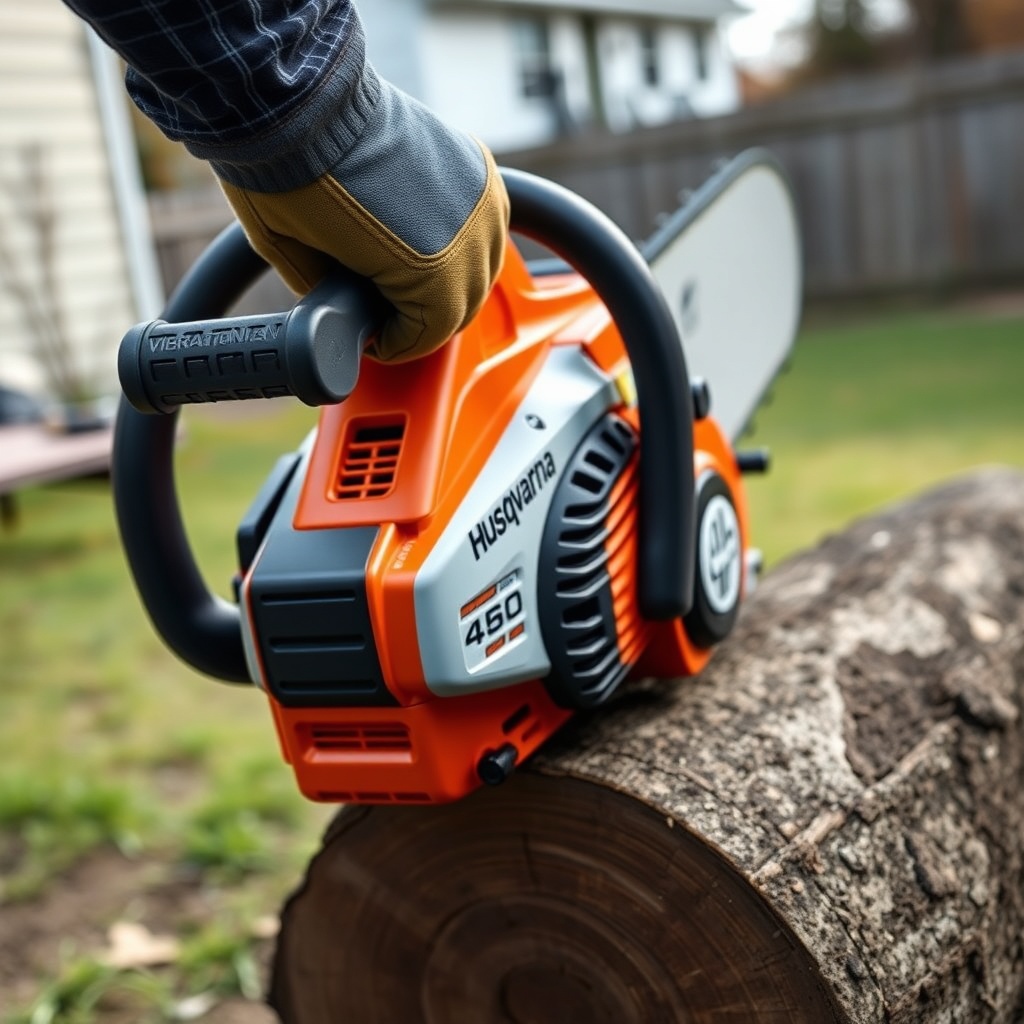
One common critique is that the rubber dampeners can harden in cold weather (below 32°F / 0°C), leading to increased vibration until the saw warms up. Notably, owners who pair the saw with the correct bar and chain setup—such as a 20-inch bar for general use—report the best vibration performance. For guidance, see the Husqvarna 460 Rancher Bar and Chain Combinations: Best Pairings for Your Needs.
Frequently Asked Questions
- What is the vibration level of the Husqvarna 460 Rancher in m/s²?
The manufacturer states a weighted vibration value of 4.4 m/s² for the front handle and 5.4 m/s² for the rear handle, tested in accordance with ISO 22867. This is within the recommended safe exposure limits for a typical workday.
- How often should I replace the vibration dampening springs?
Inspect them every 50 hours of operation. Replacement is recommended at the first sign of cracking, hardening, or excessive handle play. Most users find they last between 500 and 800 hours.
- Does the LowVib® system affect the saw’s cutting power?
No. The dampening system is mounted between the handle and the engine chassis. It does not connect to the power head, so there is no loss of transfer or torque to the chain.
- Can I replace the vibration dampeners myself?
Yes, with basic mechanical skills. It involves removing the plastic handle covers, unbolting the handle assembly, and pressing out the old springs. A service manual is recommended. Access to the chain tensioner is also required during reassembly—refer to the Husqvarna 460 Rancher Chain Tensioner Replacement Guide for tips.
- Will using a longer bar increase vibration?
Yes, partially. A 24-inch bar adds weight and leverage, increasing the moment of inertia and thus secondary vibration. The 460 Rancher is designed to handle a 20-inch bar optimally for best balance and vibration control. A longer bar may require more effort to control.
- Is the vibration dampening system the same as the “Anti-Vibe” system on older models?
No. LowVib® is a more advanced system with tuned elastomer springs compared to older models that used simple rubber blocks or metal spring coils. The modern system provides more consistent dampening across a wider frequency range.