Why Does the Stihl MS 261 C-M Chain Brake Need Replacing?
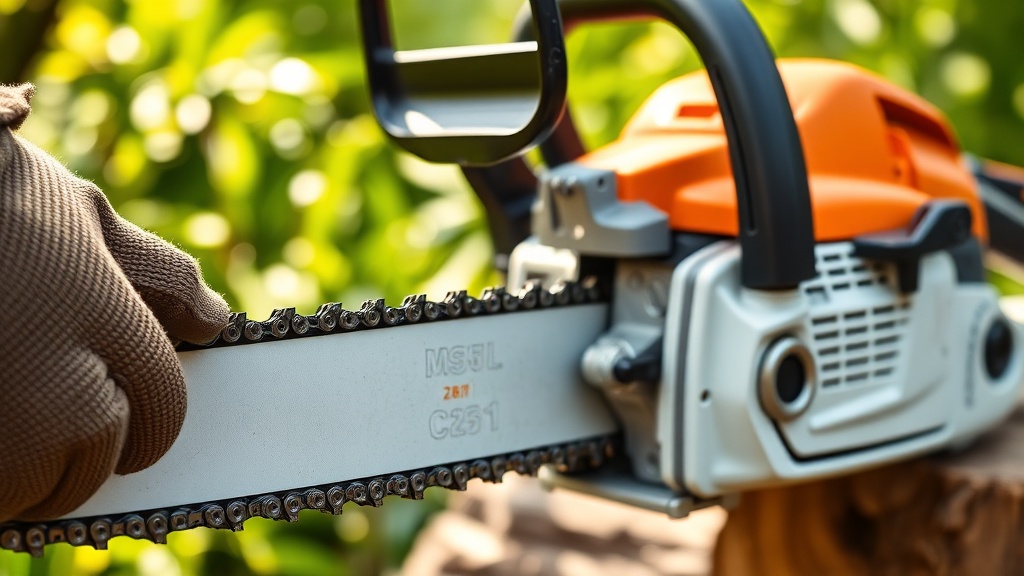
The chain brake on the Stihl MS 261 C-M is a critical safety component designed to stop the chain from rotating in the event of a kickback or other sudden movement. Over time, the brake band, springs, and retaining components wear down due to heat, debris, and repeated engagement. A faulty or sluggish chain brake compromises operator safety, particularly during demanding felling or limbing tasks. Replacing the chain brake assembly ensures the saw meets its original safety standards, protecting both the user and the machine from catastrophic damage. For a thorough understanding of how the brake interplays with other components, consult our Stihl MS 261 C-M Chain Brake Testing & Adjustment Guide.
What Tools Are Required for Chain Brake Replacement?
Replacing the chain brake on the Stihl MS 261 C-M requires a specific set of tools to ensure proper fitment and safety. Without the correct tools, the replacement can lead to misalignment or incomplete engagement. Below is a table of essential tools and their estimated costs in the UK market (GBP).
| Tool | Purpose | Estimated Cost (£) |
|---|---|---|
| T27 Torx driver | Removing chain brake screws | 5-10 |
| Flathead screwdriver (small) | Prying off the clutch cover | 3-6 |
| Needle-nose pliers | Handling small brake springs | 5-8 |
| Stihl chain brake replacement kit (part number 0000 007 1706) | Complete brake band, springs, and retaining clips | 25-35 |
| Shop towel or rag | Cleaning debris before installation | 1 |
| Torque wrench (optional but recommended) | Ensuring correct screw torque (4-6 Nm) | 25-60 |
Investing in quality tools prevents damage to the brake assembly and ensures the new components seat correctly. Always use genuine Stihl parts for safety-critical components.
How Do You Remove the Old Chain Brake Assembly?
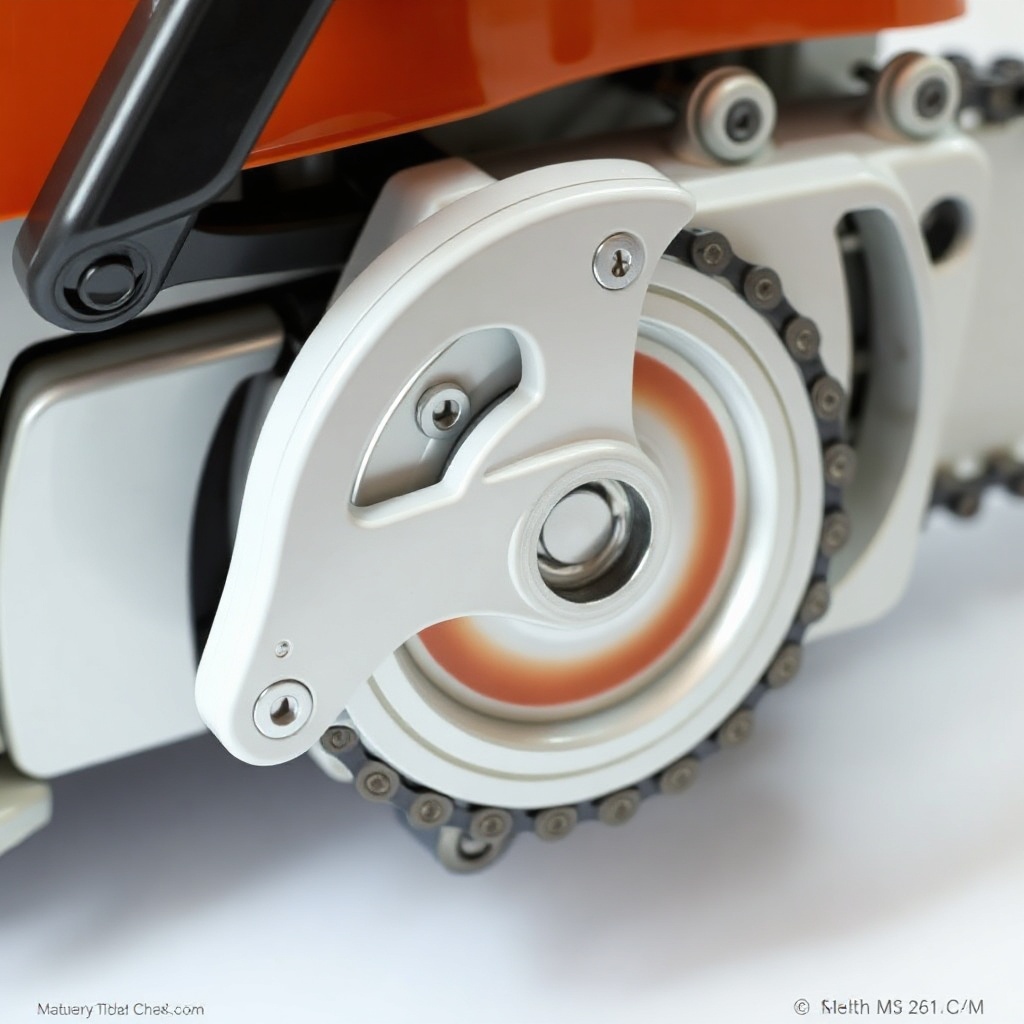
Removing the old chain brake begins with ensuring the saw is completely cool and the engine is turned off. Disconnect the spark plug wire for absolute safety. Remove the bar nuts and clutch cover, then the bar and chain. Locate the chain brake mechanism on the left side of the saw’s crankcase, behind the clutch cover. Using the T27 Torx driver, unscrew the two or three screws holding the brake band and spring assembly in place. Carefully pry the brake band off the brake drum, noting its orientation. Use needle-nose pliers to detach the spring from the mounting post, being cautious of spring tension that could cause injury. Inspect the brake drum for scoring or wear; if damaged, it may also need replacement. For a deeper look at chain replacement procedures, refer to our Stihl MS 261 C-M Chain Replacement Guide: Step-by-Step Instructions.
What Are the Steps to Install a New Chain Brake?
Installation of the new chain brake assembly is a reverse process but requires attention to detail. Begin by cleaning the brake drum and surrounding area with a rag. Align the new brake band around the brake drum, ensuring it sits flat against the drum’s surface. Attach the spring to its mounting post, using pliers to stretch it slightly if necessary, then hook it into the band’s slot. Secure the assembly with the Torx screws, tightening them to 4-6 Nm (use a torque wrench if available). Reattach the clutch cover, bar, and chain, adjusting chain tension as per our chain replacement guide. Test the chain brake’s operation: pull the brake lever gently until the brake engages, then release it. The brake should snap back to the disengaged position freely. After installation, verify proper function by running the saw briefly at idle—the chain should stop when the brake is engaged. For further adjustment, see our Stihl MS 261 C-M Chain Brake Testing & Adjustment Guide.
How Does the Chain Brake Affect Ergonomics and Safety?
The chain brake is paramount for user safety, especially during high-risk operations like limbing or felling. On the Stihl MS 261 C-M, the brake handle is ergonomically positioned close to the top handle, allowing quick activation without shifting grip. A worn brake can cause the saw to kick back uncontrollably, leading to serious injury. Replacing it restores the brake’s smooth, consistent engagement, reducing hand strain during extended use. Additionally, a properly functioning brake minimises vibration transmission to the operator’s hand, improving comfort over long work sessions. The brake also protects bystanders and property by stopping the chain instantly if the saw is dropped or jerked. Always pair brake replacement with regular chain maintenance; our Stihl MS 261 C-M Chain Sharpening Angle Guide: How to Maintain Optimal Cutting Performance covers how a sharp chain reduces kickback risk.
What Owners Say About the Stihl MS 261 C-M Chain Brake
User feedback consistently highlights the chain brake’s reliability and ease of replacement. Many owners praise the ergonomic design, noting that the brake lever is intuitive to use even with gloves. Some report that after extended use (e.g., 2-3 years of weekly cutting), the brake band may lose tension, leading to delayed engagement, but replacing it restores factory performance. Professional arborists appreciate the saw’s integrated safety features, though a minority mention that the brake handle can be tricky to reset if the band is not fully seated. Overall, the consensus is that the chain brake system is robust, and replacement is a straightforward DIY task for anyone comfortable with basic saw maintenance. For winter operation tips, see our Stihl MS 261 C-M Winter Starting Tips: Cold Weather Operation Guide.
Frequently Asked Questions
Q: How often should I replace the chain brake on the Stihl MS 261 C-M?
A: Replace the brake band every 50-100 hours of operation, or if you notice delayed engagement (over 2 seconds) or a faint “click” sound when braking.
Q: Can I use aftermarket brake parts on the Stihl MS 261 C-M?
A: It’s not recommended; aftermarket parts may not meet torque specs or fit precisely, compromising safety. Always use genuine Stihl replacement kits.
Q: Why does my chain brake not fully disengage after replacement?
A: This often occurs due to misaligned spring tension or improper screw torque. Check the brake band is flush with the drum and springs are seated correctly.
Q: Do I need to adjust the carburetor after replacing the chain brake?
A: No, the chain brake does not affect the engine’s fuel system. However, if the saw was used with a faulty brake, debris may have entered the carb; refer to our Stihl MS 261 C-M Carburetor Adjustment & Tune-Up Guide for cleaning.
Q: What is the cost of a genuine Stihl MS 261 C-M chain brake kit?
A: Expect to pay between £25 and £35 for the complete brake kit (part number 0000 007 1706) at a Stihl dealer, plus shipping if ordered online.
Q: Should I lubricate the chain brake components during installation?
A: No, use dry assembly only. Adding lubricant can attract debris and cause brake slippage. Clean any grease off the brake drum with a solvent.