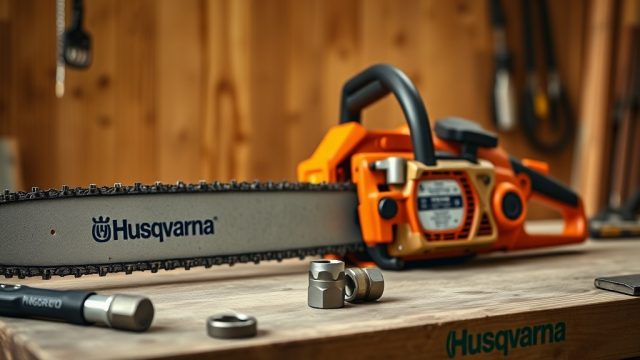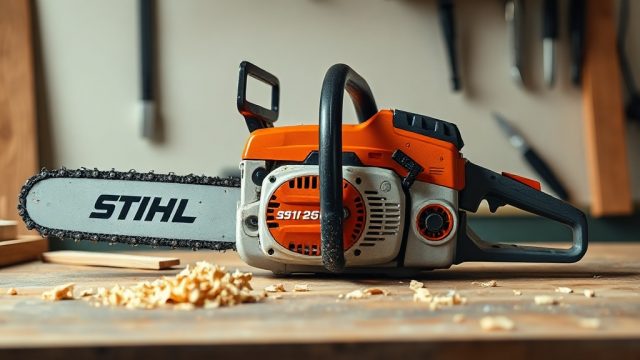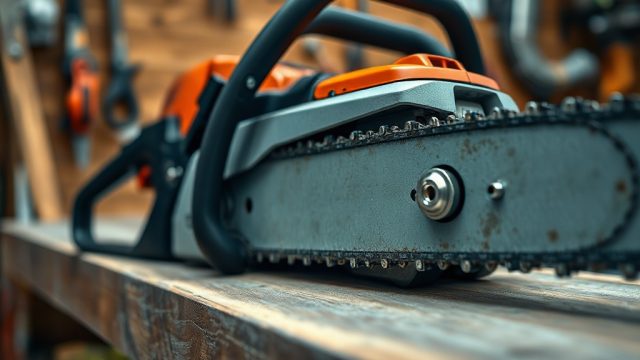
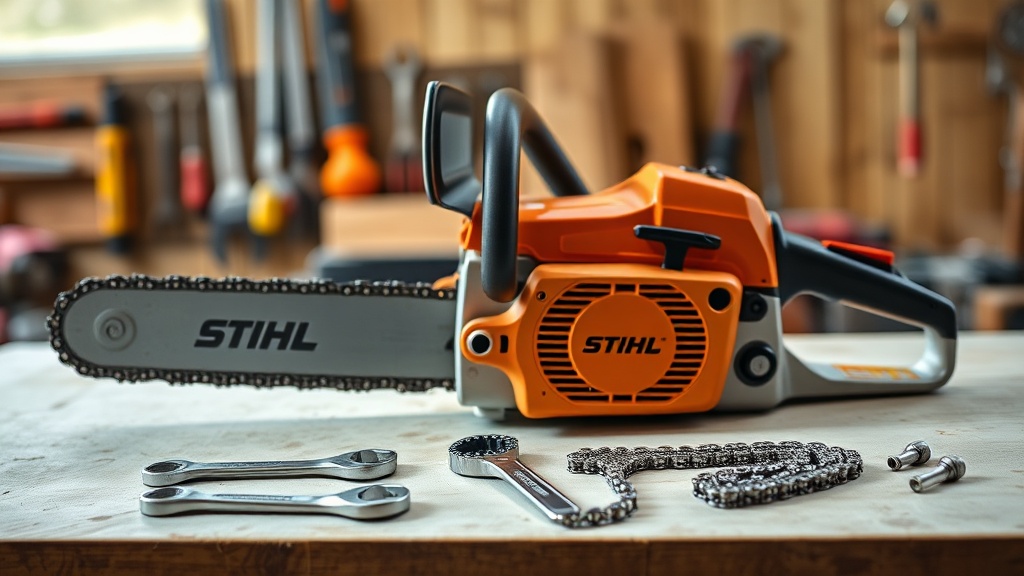
Keeping the chain sharp and properly tensioned on a Stihl MS 261 C-M is critical for safe, efficient cutting. This guide provides step-by-step instructions for replacing the cutting chain, covering essential points like chain tension, bar maintenance, and troubleshooting. Whether a homeowner or a professional saw operator, understanding this process will extend the life of the saw and improve performance.
What Tools Are Needed for a Stihl MS 261 C-M Chain Replacement?
Before starting, gather the correct tools. The Stihl MS 261 C-M uses a standard 0.325-inch pitch chain, typically in a 63 or 64 drive-link count depending on the bar length. A proper chain file set, a T-handle wrench (13mm combination wrench), gloves, and a clean work surface are required. Also, a replacement chain of the correct pitch, gauge, and drive link count is mandatory—using an incorrect chain damages the bar and sprocket.
- Combination Wrench: The supplied Stihl tool fits the bar nuts (13mm) and the chain tensioning screw.
- Replacement Chain: Stihl RS3 (Rapid Micro 3) or a compatible 0.325” pitch chain. Confirm the gauge (1.6mm) matches the bar groove.
- Bar Maintenance Tools: Bar groove cleaner, flat file for the bar rails, and brake cleaner.
- Safety Gear: Chainsaw gloves and safety glasses.
How to Safely Secure the Saw for Chain Service?
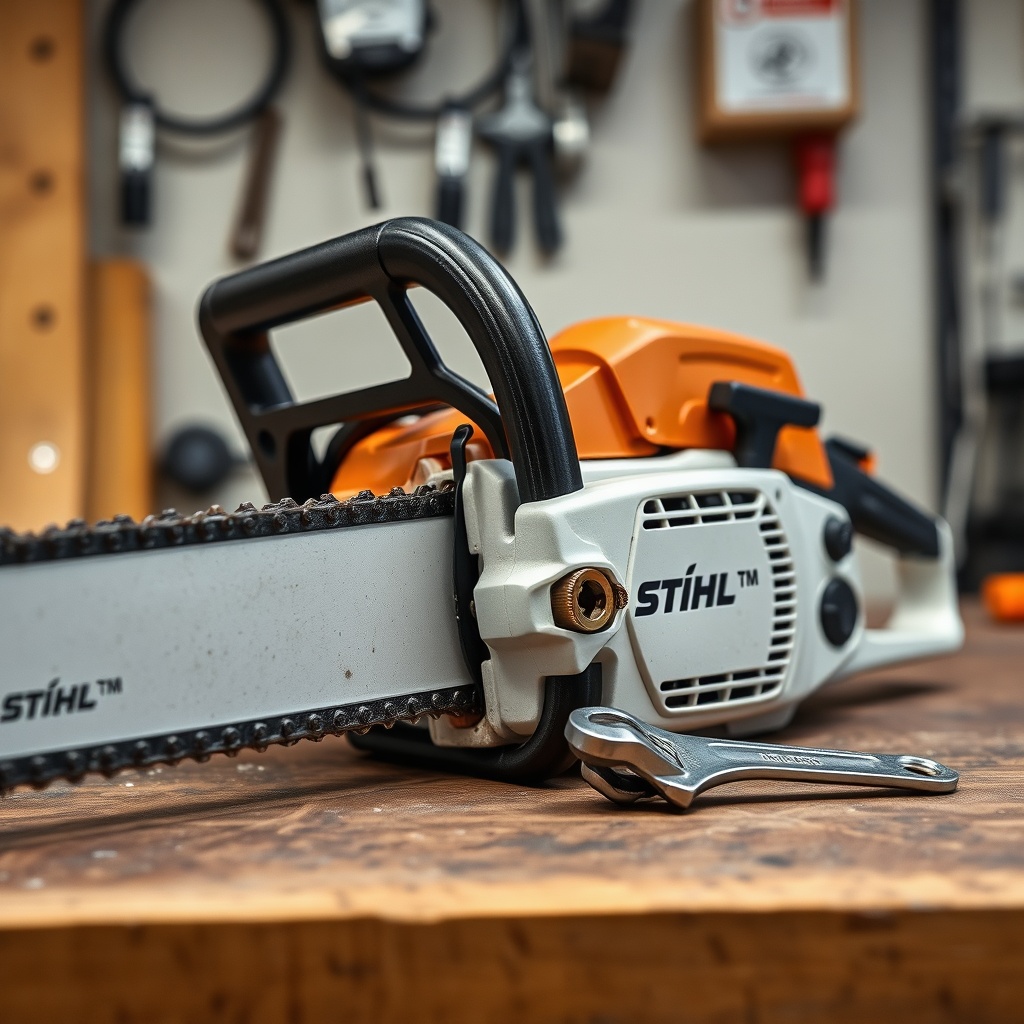
Safety is paramount. Disconnect the spark plug cap to prevent accidental starting. Set the chain brake by pushing the hand guard forward until it clicks. Place the saw on a stable, flat surface with the bar and chain accessible. Use a clamp or vice to hold the saw securely if possible—never rely on gravity alone. Ensure the chain is completely cool to avoid burns. Also, remove the clutch cover: loosen the two bar nuts with the combination wrench, then lift off the cover carefully to expose the clutch drum and sprocket.
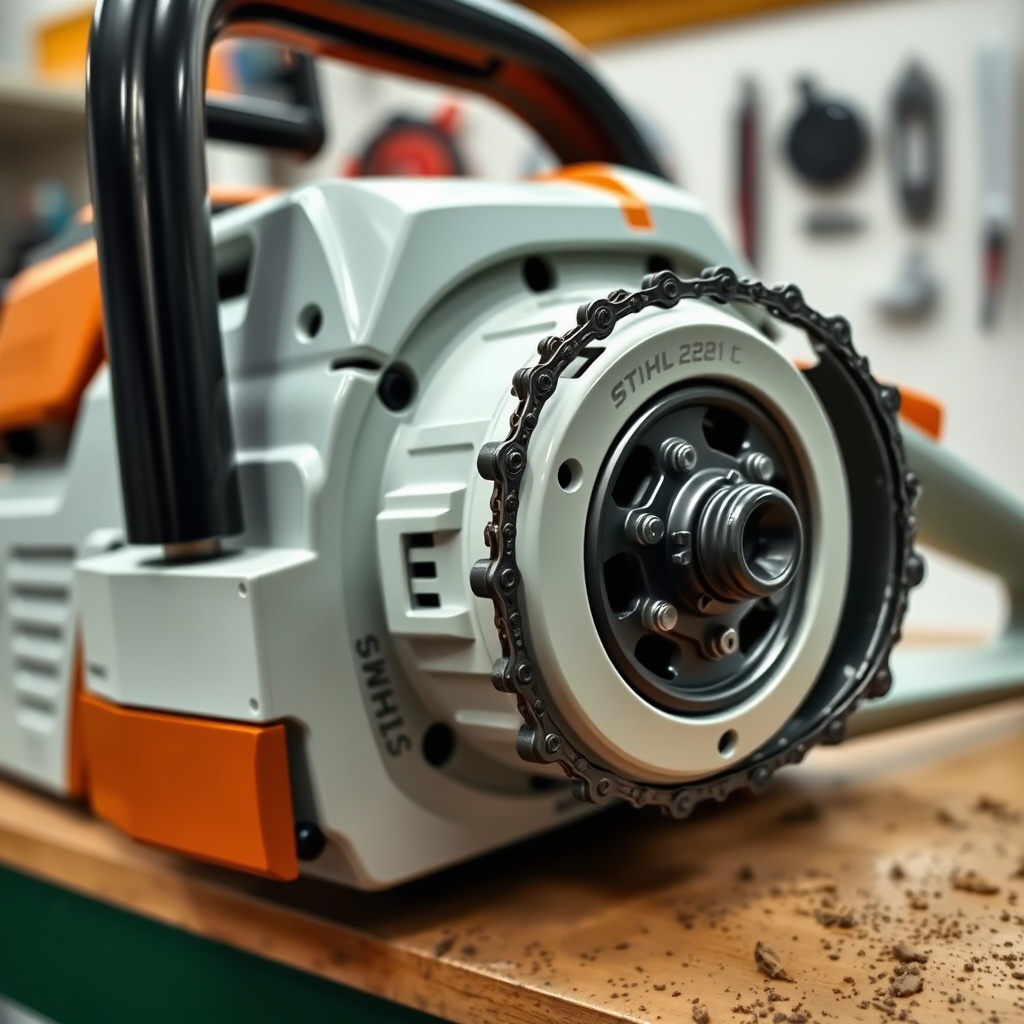
Inspect the sprocket for wear at this stage—a worn sprocket will accelerate chain wear. If the sprocket teeth appear hooked or significantly worn, consider replacing it before installing the new chain. Refer to the Stihl MS 261 C-M Clutch Drum Replacement Guide for detailed instructions.
What Is the Correct Procedure for Installing the New Chain?
Installing a new chain is straightforward once the old one is removed. Lay the new chain around the bar sprocket at the nose, ensuring the cutters face the correct direction—cutters should point forward on the top of the bar. Loop the chain over the drive sprocket (the small sprocket on the clutch drum) and position the bar onto the studs. The bar tensioning pin should align with the tensioner slot. Slide the bar back toward the clutch cover slightly to create slack. Then, reattach the clutch cover and screw the two bar nuts on finger-tight. Never fully tighten yet—the chain needs to be tensioned properly first.
Proper tension is crucial: adjust the tensioning screw (located through the clutch cover near the bar studs) until the chain fits snugly against the underside of the bar but can still be pulled around the bar by hand with moderate effort. The chain should not sag; the tie straps should be visible in the bar groove. After tensioning, tighten the bar nuts to the specified torque (approximately 20-25 N·m) using the combination wrench. Finally, check the tension again, as tightening the nuts can slightly increase tension.
How to Adjust Chain Tension After Installation?
Even with perfect initial tension, a new chain will stretch slightly during the first cuts. After running the saw for two to three minutes at half throttle (no cutting), stop the engine and re-check tension. The chain should still fit snugly but not bind. If it is too loose, loosen the bar nuts slightly, turn the tensioning screw clockwise, then re-tighten. Perform this small adjustment multiple times during the first tank of fuel. Over-tensioning is dangerous—it can bind the chain, damage the bar, and cause kickback. As a rule of thumb, the chain should be adjusted so that when the saw is running, there is a visible gap of about 1mm between the bottom of the chain and the bar rail on the underside when the chain is pulled away.
A properly tensioned chain reduces friction and extends bar life. For further reading on bar selection that can affect chain wear and tension, see the Best Bar Length for Stihl MS 261 C-M: A Complete Guide.
| Chain Tension Check Point | Action Required | Consequence of Neglect |
|---|---|---|
| After initial installation (cold engine) | Chain snug, no sag; can pull by hand (approx. 20N force) | Chain may derail or cause kickback |
| After first 2–3 minutes of run time | Re-tension if slack; check for binding | Excessive wear on sprocket and bar |
| After each tank of fuel (for first time) | Small adjustment if needed (1–2 turns of tensioner) | Chain may slip off bar under load |
| Before each use (routine check) | Verify tension; adjust if chain droops | Poor cut quality, kickback risk |
How to Maintain the Bar During Chain Replacement?
While the chain is off, the bar deserves inspection and cleaning. Remove the bar entirely and clean the oil holes and groove with a bar groove cleaner or a stiff brush. Check the nose sprocket for free rotation—stiff or rough rotation means the sprocket needs replacing. Also, look for burrs or rail cracks; file down any raised edges with a flat file. Rotate the bar periodically (every two to three chains) to ensure even wear on both the top and bottom rails. A worn bar cannot hold a chain securely and must be replaced.
Also, the chain lubrication system should be checked: ensure the oil pump is delivering sufficient bar oil by running the saw with the chain spinning and observing the drip pattern. If no oil appears, clean the oil hole in the bar. The Stihl MS 261 C-M Air Filter Cleaning & Replacement guide provides related maintenance steps for the intake system that improve overall engine health.
What Owners Say About the Stihl MS 261 C-M Chain System?
Owners consistently praise the Stihl MS 261 C-M for its easy chain tensioning system. The side-access tensioner, located conveniently behind the clutch cover, is widely regarded as user-friendly. Many note that replacing the chain takes under five minutes once the saw is secured. Professional arborists appreciate the robust clutch drum and sprocket assembly, which handle frequent chain swaps without failure. Some users mention that the stock 1.6mm gauge chain can be slightly more expensive than aftermarket alternatives, but the durability and cut quality of Stihl RS3 chains are considered worth the cost for heavy use. Common advice from owners includes: always carry a spare chain in the field, and use Stihl Premium bar oil to reduce heat buildup.
For those concerned about saw handling during extended cutting sessions, the Stihl MS 261 C-M Anti-Vibration System Review offers insights into how the saw’s design reduces fatigue, allowing more precise chain control.
Frequently Asked Questions
Q1: How often should I replace the chain on my Stihl MS 261 C-M?
A1: Replacement depends on use. For occasional cutting, replace when the chain becomes dull and cannot be sharpened effectively (roughly every 20-30 hours of use). For daily professional use, chains may need replacement every 5-10 hours, or sooner if hitting dirt or rocks.
Q2: Can I use a different pitch chain on the MS 261 C-M?
A2: No. The saw is designed for 0.325-inch pitch chains. Using a 3/8-inch pitch chain will not fit the sprocket and can cause derailing. Always check that the pitch, gauge (1.6mm), and drive link count match the bar and sprocket.
Q3: What is the correct chain tension for a new chain?
A3: Tension so the chain fits snugly against the bottom of the bar without drooping. When pulled away from the bar with moderate hand force, the chain should lift about 1–2 mm off the rail. After running the saw, allow it to cool and re-check.
Q4: Why does my new chain become loose quickly?
A4: New chains naturally stretch during initial use. This is normal. Re-tension after the first few cuts and again after the first tank of fuel. If the chain continues to loosen repeatedly beyond that, inspect the bar rails for wear or the tensioner screw for damage.
Q5: Do I need to clean the bar groove every time I change the chain?
A5: Yes, it is strongly recommended. Debris in the groove restricts oil flow and causes uneven chain wear. A clean bar extends chain life and improves cut precision. Use a dedicated bar groove cleaning tool.
Q6: How much does a replacement chain cost for a Stihl MS 261 C-M?
A6: Pricing varies by region. In the US, a Stihl RS3 chain typically costs between $25 and $35 USD (approximately £20–£28 GBP or €23–€32 EUR). Keep in mind that using an OEM chain ensures proper fit and safety.