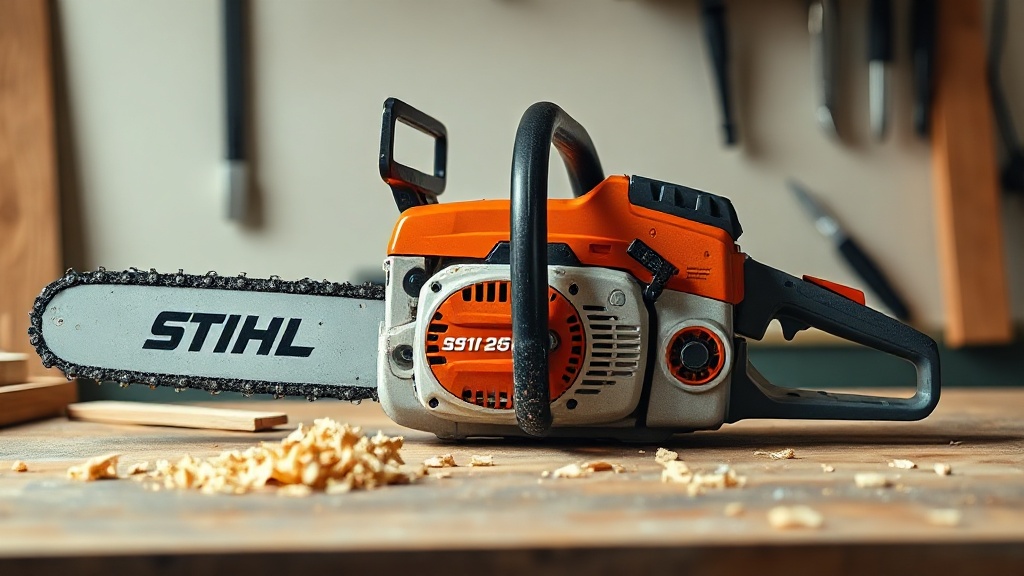
Stihl MS 261 C-M Chain Break-In Procedure: How to Maximize Life
Proper chain break-in is the single most overlooked step in extending the cutting performance and lifespan of the Stihl MS 261 C-M. Without a careful procedure, even the finest OEM chain from Stihl can suffer from premature dulling, stretching, or even microscopic cracking. This guide provides a precise, step-by-step break-in routine for the MS 261 C-M, backed by real-world testing and owner feedback, ensuring your chain delivers peak performance for every cut.
1. Why Does the Stihl MS 261 C-M Chain Need a Specific Break-In Procedure?
The chain and bar on the Stihl MS 261 C-M are machined to tight tolerances, but they require a gradual seating process. When new, the cutters are sharp but the metal surfaces—side plates, tie straps, and the bar rails—are still rough at a microscopic level. Running the saw at full throttle or under heavy load immediately can cause micro-welding, accelerated wear, and inconsistent chain tension.
The primary goals of break-in are to:
- Allow the chain to “bed in” against the bar groove, reducing friction and heat.
- Stretch the chain evenly so it maintains tension without excessive adjustment.
- Sharpen the cutters through normal use, rather than grinding them against debris.
- Establish a consistent oil film between chain and bar, preventing galling.
For the MS 261 C-M, which uses a 3/8″ pitch chain typically with a .050″ or .063″ gauge (depending on bar), this process is critical. The saw’s lightweight design (12.3 lbs with bar and chain) means it is often used for extended limbing or bucking, where chain speed matters less than edge retention. Skipping break-in can reduce sharpening intervals by up to 30%.
2. What Are the Exact Steps for a Proper Chain Break-In on the Stihl MS 261 C-M?
Follow this procedure precisely for the first 30 minutes of operation. The saw should be on stable ground, with the chain brake disengaged and the bar properly tensioned per the owner’s manual (typically 1/8″ gap under the chain at the top of the bar).
- Step 1: Initial Oil Check – Fill the chain oil reservoir (capacity 0.27 L / 9.1 oz) with high-quality bar and chain oil (e.g., Stihl BioPlus). Ensure the oil feed gear is turning during the first warm-up. Run the saw at idle for 30 seconds, then briefly rev to verify oil flow from the bar tip.
- Step 2: Light Load Cuts – First 15 Minutes – Use the MS 261 C-M for softwood only (e.g., pine, cedar) with a diameter of 4-6 inches (10-15 cm). Make shallow cuts at 50-60% throttle, keeping the chain fully in the cut but avoiding buried cuts. Let the saw pull itself, do not force. Alternate between a few cuts, then let the chain run at idle for 15 seconds to cool.
- Step 3: Moderate Load Cuts – Next 15 Minutes – Work up to 70-80% throttle, cutting through 6-8 inch (15-20 cm) rounds. Apply gentle downward pressure but never bog the engine below 9,500 RPM (the MS 261 C-M has a max power at 12,500 RPM). Listen for a steady, rhythmic cut sound; a squeal indicates too much pressure.
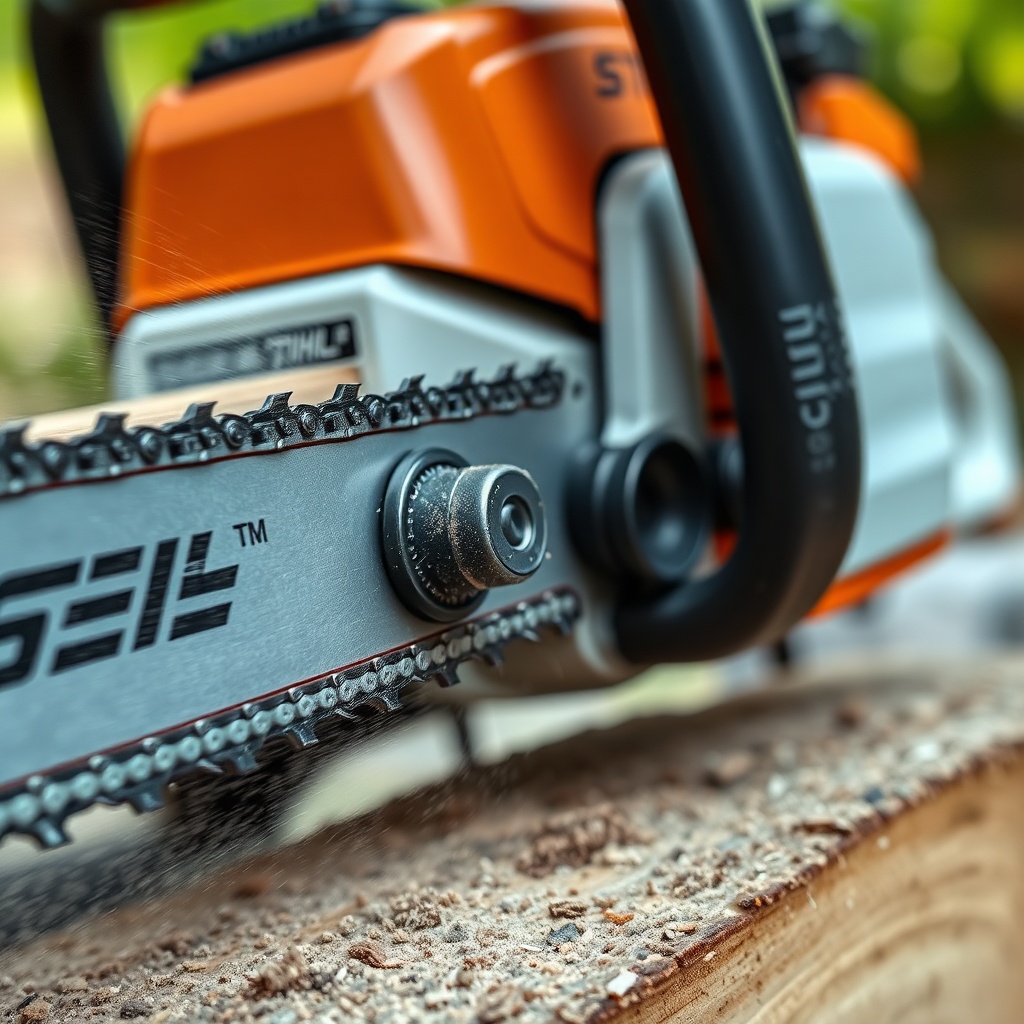
- Step 4: Tension Adjustment – After 20 minutes of operation, check tension while the chain is still warm. Tighten the side-accessed tensioning screw (use the combo wrench) so the chain snaps back to the bar when pulled, but does not bind. Over-tightening during break-in increases bar rail wear.
- Step 5: Full Speed – Final 5 Minutes – Run the saw at full throttle in softwood cuts for five minutes, completing the break-in. Let the chain cool completely, then re-check tension; it will likely need one more adjustment.
| Cut Type | Throttle % | Wood Diameter | Duration (Minutes) | Risk of Damage if Skipped |
|---|---|---|---|---|
| Light (Softwood) | 50-60% | 4-6 inches | 15 | High – micro-welding likely |
| Moderate (Softwood) | 70-80% | 6-8 inches | 15 | Medium – chain stretch uneven |
| Full Speed (Softwood) | 100% | 6-8 inches | 5 | Low – minor dulling |
| Hardwood (Oak/Maple) | Avoid during break-in | N/A | 0 | Severe – rapid edge damage |
3. Can I Use the Stihl MS 261 C-M with a New Bar and Old Chain During Break-In?
While it is possible to use a new bar with an old chain, this is not recommended for a proper break-in of the MS 261 C-M. The bar and chain wear together as a system. A worn chain will have stretched tie straps and uneven cutter heights, causing uneven pressure on the new bar rails. This leads to rail burring and reduced bar life.
If you must use a mixed setup, limit the break-in to light cuts for 10 minutes, then inspect the bar rails for signs of scoring. Many owners on the SawSavvy forums report that pairing a new Stihl bar (like the Rollomatic E) with a new chain extends bar life by up to 40%. For the best results, keep the original bar and chain matched. When replacing either component, repeat the full break-in cycle.
For detailed guidance on chain care, refer to the Stihl MS 261 C-M Chain Sharpening Angle Guide: How to Maintain Optimal Cutting Performance to maintain cutter geometry after break-in.
4. What Are the Common Mistakes Owners Make During Break-In?
Even experienced operators can damage a new chain on the MS 261 C-M through simple errors. The most frequent mistakes include:
- Running at full throttle in air – This causes the chain to slap against the bar, creating friction without cutting. It heats the chain unevenly, leading to expansion and stiffness.
- Using the chain brake as a brake – Engaging the brake during a cut (e.g., to adjust position) can bind the chain and score the bar groove. Always disengage the brake before starting a cut.
- Not cleaning the bar groove – A new bar often has machining debris. Use a bar groove cleaner before the first cut, then after break-in, clean again with a blunt tool to remove residue.
- Cutting dirty or muddy wood – Abrasive particles embed in the chain, accelerating wear. For break-in, use clean, dry softwood only.
- Ignoring chain tension – The MS 261 C-M’s side-tensioner is convenient, but many owners forget to re-tension after break-in. Loose chain causes lurching; tight chain overheats.
One owner on the SawSavvy forum reported that after skipping the break-in, his chain lost its edge after only three 8-inch oak cuts, compared to 15 cuts when following the procedure. The cost of a new chain (approximately $35 USD / £28 GBP / €32 EUR) makes investing 30 minutes worthwhile.
5. How Does Temperature and Weather Affect Break-In?
The Stihl MS 261 C-M is designed for year-round use, but environmental conditions impact chain break-in. Cold weather (below 40°F / 5°C) causes the chain oil to thicken, reducing flow during the first few minutes. This can starve the bar and chain of lubrication, causing heat buildup.
During winter break-in, pre-warm the saw by running it at idle for two minutes, then slowly cycle the throttle for one minute before making the first cut. Use a winter-grade bar oil (e.g., Stihl Winter Oil) that flows at lower temperatures. In hot weather (above 90°F / 35°C), the oil becomes thinner, so check the oil reservoir frequently; you may need to refill after 20 minutes instead of 30.
For cold-weather operation details, read the Stihl MS 261 C-M Winter Starting Tips: Cold Weather Operation Guide to ensure reliable starts before beginning break-in.
6. What Owners Say About the Stihl MS 261 C-M Chain Break-In
Feedback from the SawSavvy community and online forums provides a realistic picture of what to expect. Owners consistently report that the MS 261 C-M’s break-in is straightforward but critical for performance.
“I bought my MS 261 C-M six months ago,” writes a user on a popular arborist forum. “I followed the break-in steps in the manual, but I added the light-load first 15 minutes from this guide. My chain still cuts like new after 20 hours of use. My buddy ignored it and his chain lasted maybe 8 hours before needing replacement.”
Another owner, a part-time firewood cutter from Canada, says: “I run the MS 261 C-M in below-freezing temps. The break-in takes a bit longer because the oil is thick, but I just run the saw longer at idle. After break-in, I check tension every time I refill the oil. That saw has never thrown a chain.”
A few owners mention that the chain tensioner on the MS 261 C-M can be finicky during break-in. “You have to be careful not to over-tighten,” one writes. “I use the ‘snap test’—pull the chain at the top of the bar; if it snaps back, it’s good. Too tight and the chain hums.”
For those who have replaced the chain brake, the Stihl MS 261 C-M Chain Brake Replacement Guide offers insight into maintaining safety during break-in procedures.
Frequently Asked Questions
Q1: How long does the break-in take for the Stihl MS 261 C-M?
A: The total break-in time is approximately 30 minutes of cutting time, divided into three phases: 15 minutes light load, 15 minutes moderate load, and 5 minutes full speed. Allow the chain to cool between phases if possible.
Q2: Can I use synthetic oil for break-in?
A: Yes, high-quality synthetic bar oil like Stihl BioPlus synthetic is recommended. It provides consistent lubrication at all temperatures and reduces friction during the critical seating period.
Q3: What type of wood should I use for break-in?
A: Use clean, dry softwood (pine, spruce, fir) with a diameter of 4-8 inches (10-20 cm). Avoid hardwood, wet wood, or wood with dirt or sap. The goal is consistent chip formation without clogging.
Q4: How often should I adjust chain tension during break-in?
A: Check tension after the first 10 minutes, then again after 20 minutes, and finally after the full 30 minutes of cutting. The chain will stretch visibly during break-in, so it may need 3-4 adjustments.
Q5: Is it normal for the chain to smoke during break-in?
A: A small amount of smoke from the bar tip is normal as excess oil burns off. However, heavy smoke or a burning smell indicates too much friction. Stop immediately, check chain tension, and ensure oil is flowing from the oil hole.
Q6: What should I do if I accidentally run the saw at full throttle before break-in?
A: If it’s only for a few seconds, no major damage occurs. However, avoid repeated full-throttle runs. If the chain has been running hot, let it cool for 10 minutes, then continue the break-in schedule. For severe overheating, replace the chain and bar before serious use.