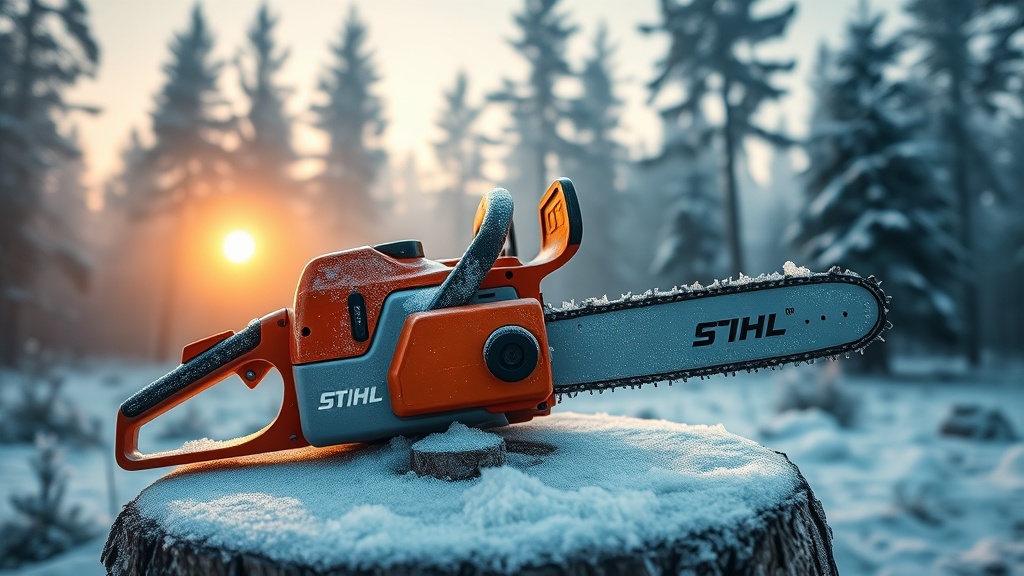
Why Does the Stihl MS 261 C-M Struggle to Start in Cold Weather?
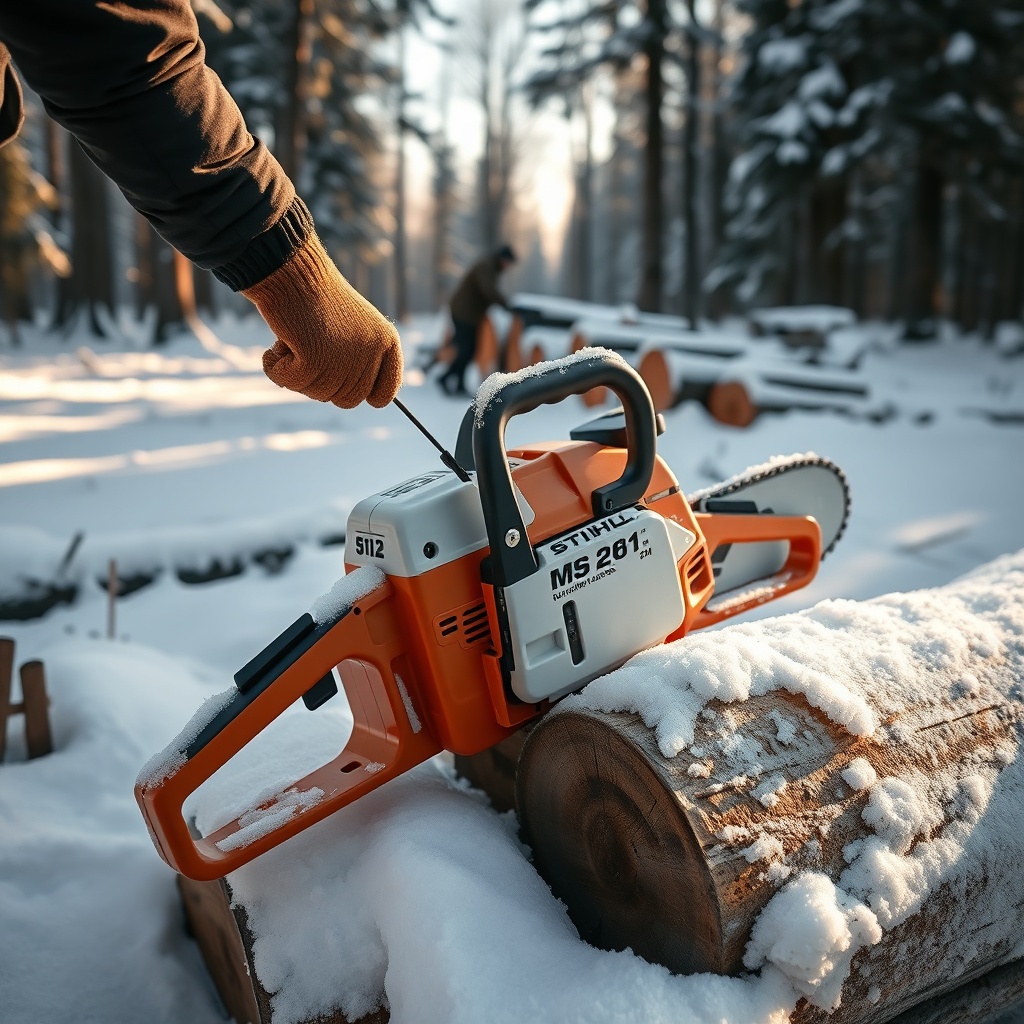
When temperatures drop below freezing, the Stihl MS 261 C-M can become temperamental. The combination of thickened engine oil, slower fuel evaporation, and reduced battery efficiency in the M-Tronic system often leads to hard starting. Users in regions like Canada or Scandinavia commonly report this issue during winter logging or firewood cutting sessions. Understanding the physics at play—cold air is denser and requires a richer fuel mixture—helps operators adopt the right strategies. Without proper preparation, even a well-maintained saw may require a dozen pulls before firing up, wasting time and taxing the starter system.
The Stihl MS 261 C-M features an M-Tronic electronic carburetor that automatically adjusts fuel delivery based on temperature and altitude. However, the system still requires initial engine rotation to sample conditions. Cold-cranking behavior differs significantly from summer operation, so the following tips focus on optimizing that first start of the day. For ongoing maintenance that impacts starting, see the Stihl MS 261 C-M Air Filter Cleaning & Replacement guide, as a dirty filter exacerbates cold-start issues.
What Is the Ideal Starting Procedure for Sub-Freezing Temperatures?
A systematic approach reduces frustration. Begin by setting the master control lever to the cold start position (full choke). Pull the starter cord firmly once or twice—the engine should give a brief “pop” or attempt to fire. This is crucial: do not continue pulling on full choke. Immediately move the master control to the half-throttle position (just above idle). Then, pull the starter cord in steady, full-length pulls without hesitation. On a properly tuned saw, the engine should start within three to five pulls at this setting.
If the saw does not start after six pulls on half throttle, return to full choke for one pull to reintroduce fuel, then back to half throttle. Avoid the common mistake of flooding the engine by repeated choking. The M-Tronic system compensates for cold starts, but it cannot fix an over-flooded cylinder. Allow the saw to warm up at a fast idle (slightly above idle speed) for 30 to 60 seconds before tapping the throttle to disengage the idle. This warm-up period melts internal ice and allows the crankcase oil to circulate properly.
Which Cold-Weather Fuels and Oils Work Best for the MS 261 C-M?
Winter-grade fuel plays a significant role. Standard E10 gasoline with 10% ethanol can absorb moisture, leading to ice crystals in the fuel line. For the MS 261 C-M, use non-oxygenated premium fuel (91 octane or higher) mixed with a synthetic two-stroke oil designed for cold climates. Oils like Stihl HP Ultra or Motul 800 Off-Road maintain viscosity down to -20°F (-29°C). Avoid using year-round oils whose thicker base stocks drag on the engine during cranking.
Fuel mixture ratios remain at 50:1 for this saw, but some users reduce to 40:1 in extreme cold to provide more lubricant during the extended warm-up period. This is acceptable as long as the M-Tronic self-calibration is performed after re-fueling. Store fuel cans indoors to keep them above freezing. A frozen fuel filter or gelled fuel line can mimic a starting failure. The Stihl MS 261 C-M Fuel System Cleaning: Carburetor, Lines & Filter article covers how to inspect these components before winter use.
Does the Chain Brake or Clutch Affect Cold Starting?
Yes, the chain brake should always be engaged during starting, but in cold weather a seized clutch drum can add resistance. Moisture freezes between the clutch drum and the crankshaft bearings, or chain oil congeals on the clutch assembly. If the saw seems to have extra drag when pulling the starter cord, inspect the clutch drum for ice buildup. Gentle heat from a hair dryer applied to the clutch area (never an open flame) can free it. For more detail on this nuance, refer to the Stihl MS 261 C-M Clutch Drum Replacement Guide.
The chain brake itself should be engaged and disengaged several times before starting to break any ice film on the mechanism. A frozen chain brake can lock the chain in place, adding load to the starter. Additionally, always release the chain tension slightly when storing the saw in freezing temperatures. Overnight contraction can cause the chain to lock on the bar, creating drag during the first pull. Reset tension after the saw warms up.
How Important Is the Spark Plug Condition in Winter Starting?
Critical. Cold starts demand a strong, reliable spark because the cold fuel mixture is harder to ignite. A spark plug worn 0.05 mm beyond the factory gap of 0.5 mm (0.020 inches) can require twice the number of pulls. For the MS 261 C-M, replace the plug every season for optimal winter performance. Use only Stihl NGK BPMR7A or equivalent resistor-type plugs. The following table shows the impact of plug condition on winter starting:
| Spark Plug Condition | Winter Starting Pulls (Avg at -10°C) | Recommended Action |
|---|---|---|
| New, gapped to 0.5 mm | 2 to 4 pulls | Replace annually |
| Used 20 hours, gap 0.55 mm | 5 to 7 pulls | Check and regap |
| Used 50 hours, gap 0.6 mm | 8 to 12 pulls | Replace immediately |
| Carbon-fouled electrode | Engine flood risk, 10+ pulls | Replace with correct heat range |
Fouling increases in cold weather because the engine idles longer during warm-up. Use the Stihl MS 261 C-M Spark Plug Replacement Guide for step-by-step instructions. Also, verify the spark plug boot is fully seated; a loose connection can cause intermittent spark that mimics a hard start.
What Role Does the Air Filter Play in Winter Starting?
The air filter can absorb moisture from the humid, cold air, becoming partially blocked. A clogged filter leans the fuel mixture, making the M-Tronic system struggle to compensate during cold cranking. The result: the saw may start but die immediately, or require excessive choke. Clean the filter before the first winter use. If the filter is wet from snow or condensation, let it dry completely before reinstalling. The Stihl MS 261 C-M Air Filter Cleaning & Replacement guide covers the correct cleaning technique using warm soapy water rather than compressed air, which can damage the foam pre-filter.
In extreme cold (below -15°C/5°F), some users install a winter air filter kit that restricts airflow slightly to richen the mixture. This is an aftermarket mod not required for most conditions, but it shows how critical air intake is. Always ensure the air filter housing is sealed properly—vacuum leaks in the intake boot are more likely when rubber components contract in the cold. A quick visual check of the boot for cracks can save many pulls.
What Owners Say About Winter Starting the MS 261 C-M
Seasoned operators on forestry forums and sawmilling communities consistently praise the MS 261 C-M for its M-Tronic reliability in moderate cold, but experiences vary in severe cold. “In northern Minnesota at -20°F, my MS 261 C-M starts on the third pull if I use the cold start procedure described in the manual—full choke until it pops, then half choke. Without that step, it floods every time,” reports a firewood cutter with 15 years of Stihl experience.
Another user in Quebec notes: “I replaced the spark plug with a new NGK, cleaned the air filter, and used premium Shell fuel with Stihl HP Ultra oil. The saw now starts in six pulls at -25°C. Before maintenance, it took over 20 pulls and sounded rough.” Several owners emphasize keeping the saw out of direct wind during startup—a windbreak like a truck cab or tarp dramatically improves first-pull success. A small minority report M-Tronic confusion during extreme temperature swings, requiring a recalibration (pull cord with the master control in the full-throttle position for 10 seconds). However, this is rarely necessary if the battery is fully charged and firmware is up to date.
Frequently Asked Questions
Q: Can I use the Stihl MS 261 C-M in temperatures below -30°F (-34°C)?
A: While the saw can physically operate, M-Tronic system response becomes unreliable below -20°F. Battery chemistry in the control unit degrades, and the fuel mixture may not calibrate correctly. If you must work in extreme cold, store the saw in a heated vehicle between cuts and use short work intervals.
Q: Why does my MS 261 C-M start, then die immediately in cold weather?
A: This indicates a lean condition, often from a partially frozen fuel filter or air leak. Check the fuel line for ice crystals, clean the fuel filter, and inspect the intake boot for cracks. Also ensure the M-Tronic has completed its self-calibration after the first start—let the saw idle for 30 seconds before operation.
Q: Should I use the decompression valve during cold starts?
A: Yes, always press the decompression valve before pulling the starter cord in cold weather. It reduces compression resistance by about 50%, making pulls easier on the starter rope and your arm. The valve may stick in cold conditions; gently tap it with a wooden handle to free it.
Q: How often should I change the spark plug for winter use?
A: At least once per winter season, or every 50 operating hours, whichever comes first. Cold starting accelerates electrode wear because the plug fires more often during extended cranking. Use the recommended NGK BPMR7A gapped to 0.5 mm.
Q: Can stale winter gasoline cause starting problems?
A: Absolutely. Gasoline stored for more than 30 days loses volatiles, making it harder to ignite in cold air. Always use fresh winter-grade fuel mixed with a stabilizer like Sta-Bil 360 Marine. Do not use fuel from a gas can that has sat in an unheated garage since fall.
Q: Does the chain type affect starting difficulty?
A: Indirectly, yes. A dull chain requires more throttle input to cut, which can mask starting issues. More directly, a frozen chain on the bar from overnight moisture can lock the clutch. Use the Stihl MS 261 C-M Chain Replacement Guide: Step-by-Step Instructions to ensure proper tension and lubrication. Keep the bar and chain dry between use.