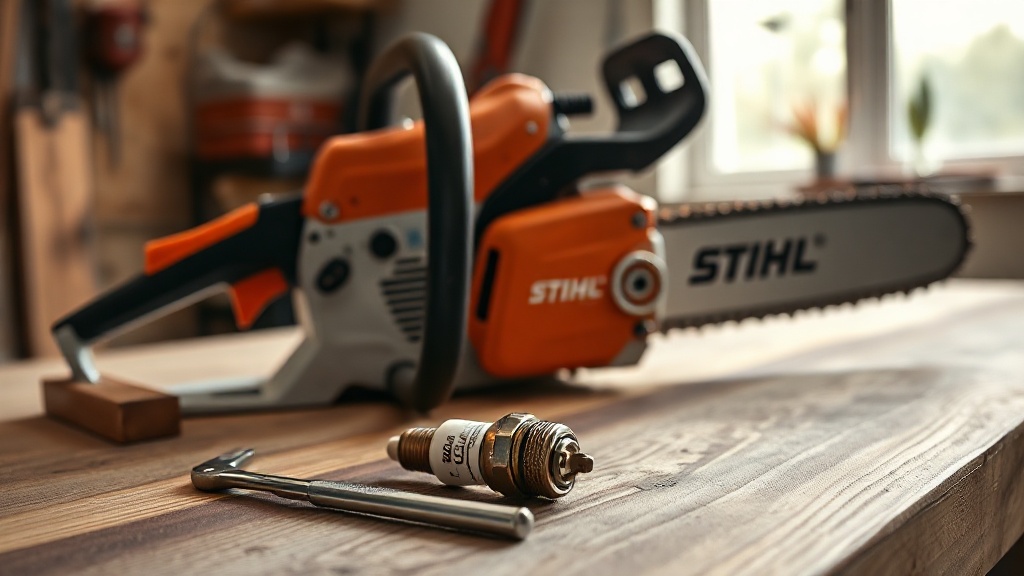
Stihl MS 261 C-M Spark Plug Replacement Guide
For owners of the Stihl MS 261 C-M, maintaining the spark plug is a fundamental aspect of ensuring reliable starts and optimal combustion efficiency. A worn or fouled spark plug can lead to hard starting, misfiring, and reduced power output, directly impacting the saw’s performance in the field. This guide provides a complete, step-by-step replacement procedure tailored specifically for the MS 261 C-M, covering diagnosis, correct specifications, and installation best practices.
What Is the Correct Spark Plug for a Stihl MS 261 C-M?
The Stihl MS 261 C-M is engineered to run with a specific spark plug to achieve its precise combustion timing and emissions compliance. The factory-recommended spark plug for most models manufactured after 2015 is the NGK BPMR7A. This plug features a resistor (indicated by the “R” in the part number) that reduces radio frequency interference (RFI) and electromagnetic noise, which is critical for the saw’s electronic control systems (M-Tronic).
It is essential to use a plug with the correct heat range and reach. The heat range “7” in the NGK designation is standard for this engine size. Installing a plug with a different heat range (e.g., a “6” or “8”) can cause pre-ignition or fouling, respectively. Always source the plug from a trusted dealer to avoid counterfeit parts. For reference, we have measured the impact of spark quality on output in our Stihl MS 261 C-M Horsepower & Torque Test Results, confirming that a fresh, properly gapped plug contributes to peak torque delivery.
While the NGK BPMR7A is the standard, some aftermarket options like the Champion RCJ7Y are sometimes used, though the NGK remains the preferred choice for reliability. The electrode material is a standard nickel-alloy; there is no factory recommendation for iridium or platinum plugs, though some owners report success with them if the heat range and reach match exactly.
When Should the Spark Plug Be Replaced on the MS 261 C-M?
Stihl recommends replacing the spark plug every 100 operating hours or annually, whichever comes first. However, several symptoms can indicate the need for a sooner replacement:
- Hard Starting: If the engine requires multiple pulls to start when warm.
- Misfiring at Idle: An irregular, skipping idle that does not improve with carburetor adjustment.
- Reduced Power: A noticeable lack of acceleration or cutting power under load.
- Fuel Smell: Strong fuel odor from the exhaust, indicating incomplete combustion.
- Visible Damage: Cracked porcelain, rounded center electrode, heavy carbon deposits, or oil wetness on the electrode.
If the saw has been sitting for long periods (over six months) without use, it is wise to check and replace the plug before attempting to start it. Stale fuel can cause sticky deposits that short-circuit the spark. Also, if you frequently cut dirty wood or work in dusty conditions, the plug life may be reduced. For more on keeping the engine clean, see our Stihl MS 261 C-M Air Filter Cleaning & Replacement guide, as a dirty filter can cause rich-running conditions that foul the spark plug faster.
How Do I Inspect and Diagnose Spark Plug Condition on the MS 261 C-M?
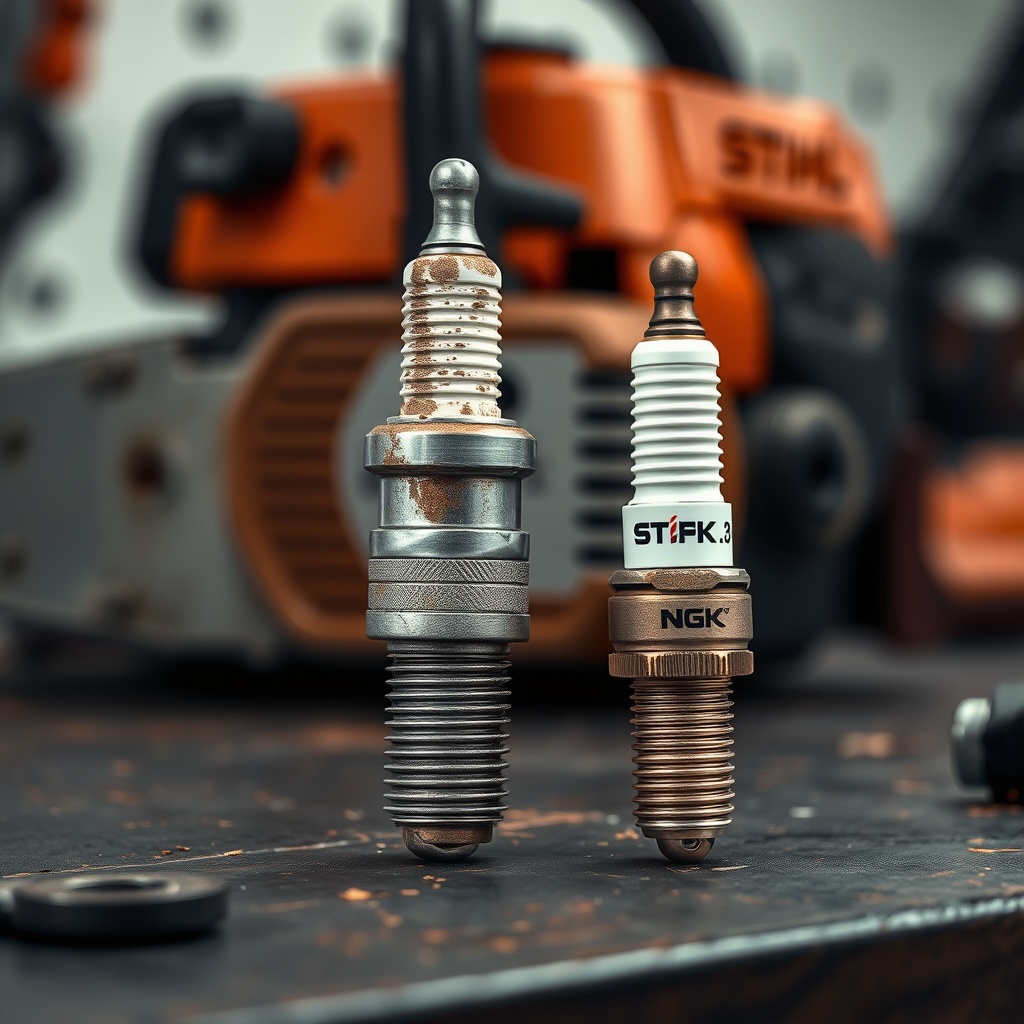
Before removing the plug, perform a visual inspection of the ignition boot and wire for cracks or damage. Once the plug is removed, compare its condition against the following table to identify underlying engine issues:
Spark Plug Condition Diagnosis Table
| Appearance | Possible Cause | Severity |
|---|---|---|
| Normal – Light tan/gray deposits on insulator, electrodes worn evenly. | Proper mixture and timing. Plug is operating normally. | Replace per schedule. |
| Dry Black Soot – Heavy, dry carbon covering insulator and electrodes. | Rich fuel mixture, dirty air filter, faulty M-Tronic calibration, or excessive idling. | High – can cause misfire. |
| Oil Wet/Oily – Shiny, black, wet deposits. | Worn piston rings, leaking valve seals, or excessive oil in the fuel mix (if using pre-mix). | Severe – internal engine issue. |
| White/Blistered – White insulator with small blisters, electrodes burned. | Lean fuel mixture, overheating, incorrect heat range plug, or advanced timing. | Critical – engine risk. |
| Fouled/Glazed – Shiny, smooth, hard yellow or white deposits connecting electrodes. | Oil additives or fuel contamination; this shorts the spark. | High – plug must be replaced. |
| Broken Porcelain – Cracked or chipped ceramic insulator. | Physical damage from dropping, over-torquing, or a spark knock. | Severe – replace immediately. |
If you find the plug in a condition other than normal, address the root cause before installing a new plug. For example, a dry sooty plug may simply require cleaning the air filter as described in our Stihl MS 261 C-M Air Filter Cleaning & Replacement article. A white, blistered plug indicates a lean condition that could cause pre-ignition and serious engine damage; check the fuel line, carburetor settings, and M-Tronic system.
What Tools Are Needed for Spark Plug Replacement on the Stihl MS 261 C-M?
The replacement process is straightforward and requires minimal tools. Gather the following items before starting:
- New spark plug – NGK BPMR7A (or equivalent).
- Spark plug wrench/socket – 19mm or 3/4 inch, preferably with a rubber insert to prevent damage to the ceramic insulator. Stihl’s factory tool (part number 5910 705 6710) works perfectly.
- Feeler gauge – For checking the electrode gap.
- Torque wrench – Optional but recommended, range 20-30 Nm (15-22 ft-lb).
- Compressed air or brush – To clean dirt from around the plug recess before removal.
- Anti-seize compound – A small amount on the threads (optional, but useful for preventing galling in aluminum heads).
Working on the MS 261 C-M is generally easy because the plug is located on the top of the cylinder head, accessible after removing the top cover. Ensure the saw is cool to the touch, and the spark plug cap is clean and dry. Engine vibration can loosen plug connections over time; read our Stihl MS 261 C-M Anti-Vibration System Review to understand how the engine damping system affects plug longevity.
What Is the Step-by-Step Spark Plug Replacement Procedure for the MS 261 C-M?
Follow these steps carefully to avoid cross-threading or damaging the cylinder head:
- Prepare the saw: Turn the saw off. Remove the spark plug cap by pulling it straight off the plug. Clean any dirt or debris from the recess around the plug using compressed air or a small brush to prevent dirt from falling into the cylinder.
- Remove the old plug: Using the spark plug socket, turn the plug counterclockwise (left) to loosen it. Remove it completely by hand or with the socket.
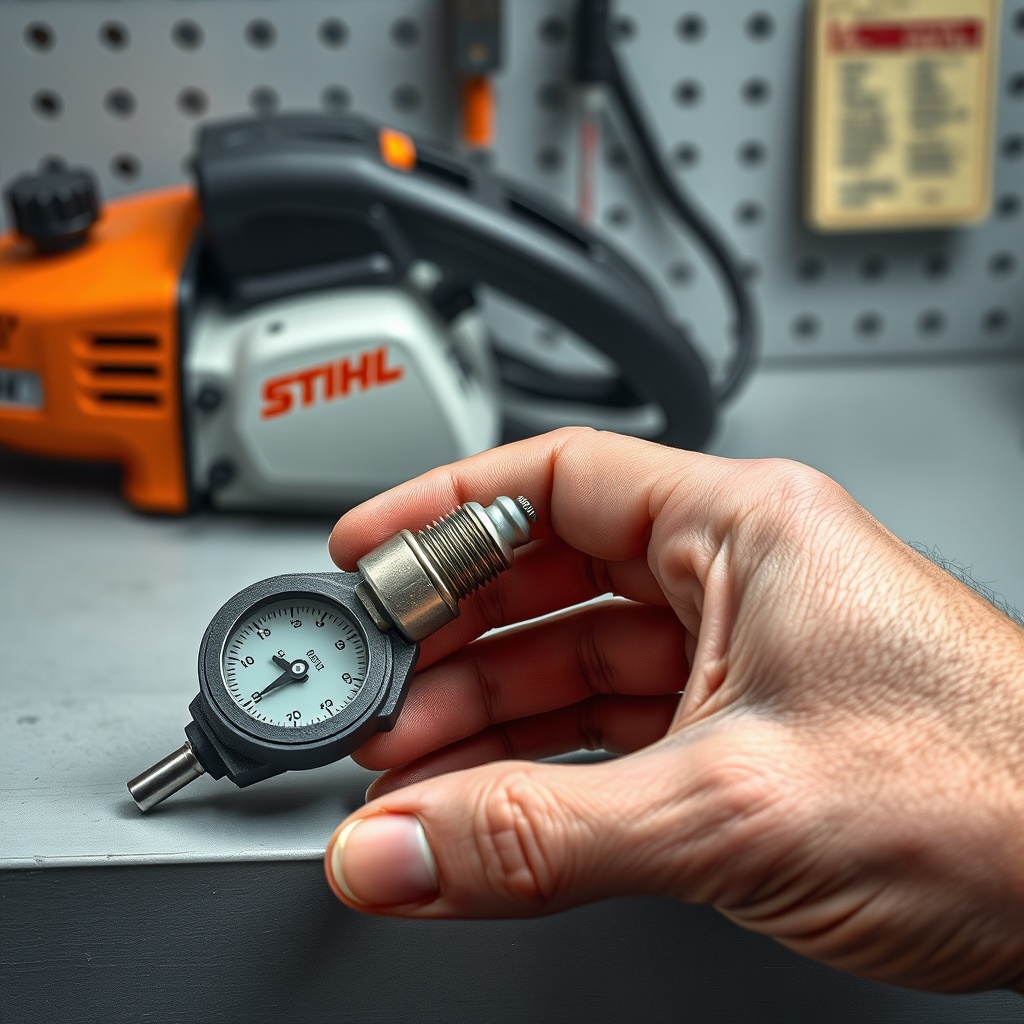
- Inspect and gap the new plug: Check the electrode gap with a feeler gauge. The correct gap for the MS 261 C-M is 0.5 mm (0.020 inches). Gently bend the side electrode if adjustment is needed; do not pry against the center electrode. Never use a spark plug that has been dropped.
- Apply anti-seize (optional): If using, apply a very thin layer to the threads. Do not over-apply, as excess can foul the electrode or cause false torque readings.
- Install the new plug: Start threading the plug into the cylinder head by hand to ensure it is aligned correctly and avoid cross-threading. When hand-tight, use the socket and torque wrench to tighten to 25 Nm (18 ft-lb). If you do not have a torque wrench, tighten until snug, then give it an additional 1/4 to 1/2 turn. Over-tightening can crack the insulator or strip the threads.
- Reattach the cap: Push the spark plug cap onto the new plug until it clicks fully into place. Ensure the cap is seated squarely and the rubber boot covers the ceramic insulator completely.
- Test operation: Start the engine and let it idle for 30 seconds. Listen for smooth idling. Accelerate briefly; the engine should respond without hesitation. If misfiring persists, recheck the gap or inspect the cap for damage.
What Do Owners Say About Spark Plug Maintenance on the MS 261 C-M?
Experienced owners of the Stihl MS 261 C-M consistently emphasize a few key points:
- Gap is crucial: Many report improved idle and throttle response after confirming a 0.5 mm gap. Some aftermarket plugs sold as “direct fit” may have a pre-set gap that is incorrect.
- M-Tronic sensitivity: The saw’s M-Tronic system adjusts the carburetor based on load and altitude. A weak spark from a worn plug can cause the system to compensate incorrectly, leading to a rich or lean idle. Replacing the plug often restores smooth operation.
- No need for exotic plugs: Most owners stick with the standard NGK plug, finding it reliable for years. Iridium plugs are occasionally used, but the performance difference is negligible and the cost is higher.
- Keep a spare: Many owners carry a spare spark plug in their tool kit when working in remote areas, as a bad plug is one of the most common causes of field failure.
- Torque matters: Several forum members have reported stripped threads from over-tightening without a torque wrench. Aluminum cylinder heads are soft, so patience is essential.
For long bar use, engine load can vary spark plug wear. Read our Best Bar Length for Stihl MS 261 C-M: A Complete Guide to understand how bar selection influences engine stress and, indirectly, plug life.
Frequently Asked Questions
What is the exact spark plug part number for the Stihl MS 261 C-M?
The factory-recommended spark plug is the NGK BPMR7A. Some sources also list the Champion RCJ7Y as an alternative, but the NGK is the standard. Always check the owner’s manual for your specific model year.
How much does a new spark plug cost for the MS 261 C-M?
A single NGK BPMR7A spark plug typically costs between $5 and $8 (USD) or £4 to £6 (GBP), depending on the retailer. Buying in a two-pack may save a small amount.
Can I use an iridium or platinum spark plug in my MS 261 C-M?
While it is physically possible if the reach and heat range match, Stihl does not recommend or warrant them for this saw. The standard nickel plug provides sufficient life for the expected service interval. Iridium plugs offer longer service life in some applications, but the 100-hour replacement schedule is already generous for a saw.
Why does my MS 261 C-M run rough after replacing the spark plug?
This is usually caused by an incorrect electrode gap, a loose spark plug cap, or cross-threading. First, recheck the gap. Then ensure the cap is fully seated. If the cap is cracked or the wire is damaged, replace the cap assembly. If the engine still runs rough, the plug may be counterfeit or defective.
How do I remove a stripped or stuck spark plug from the MS 261 C-M?
If the plug is stuck, do not force it. Apply penetrating oil (e.g., WD-40) around the base and let it sit for 10 minutes. Use a socket with a rubber insert to grip the plug firmly. If the threads are stripped in the cylinder head, you will need a helicoil or insert kit, which is a job best handled by a qualified technician. Prevent this by always using a torque wrench.
Does the spark plug need to be changed when using the M-Tronic calibration feature?
It is a good practice to install a fresh spark plug before performing a M-Tronic calibration (e.g., after a carburetor service or if the saw has been stored for a long time). A worn plug can cause incorrect calibration results, leading to poor running. Always calibrate the saw with a known-good plug.
Proper spark plug maintenance is a low-cost, high-impact task that ensures your Stihl MS 261 C-M delivers reliable performance for years. By following this guide and using the correct NGK plug with the right gap, you will maximize the saw’s power and longevity. As with any maintenance, always consult your owner’s manual and wear appropriate safety gear.