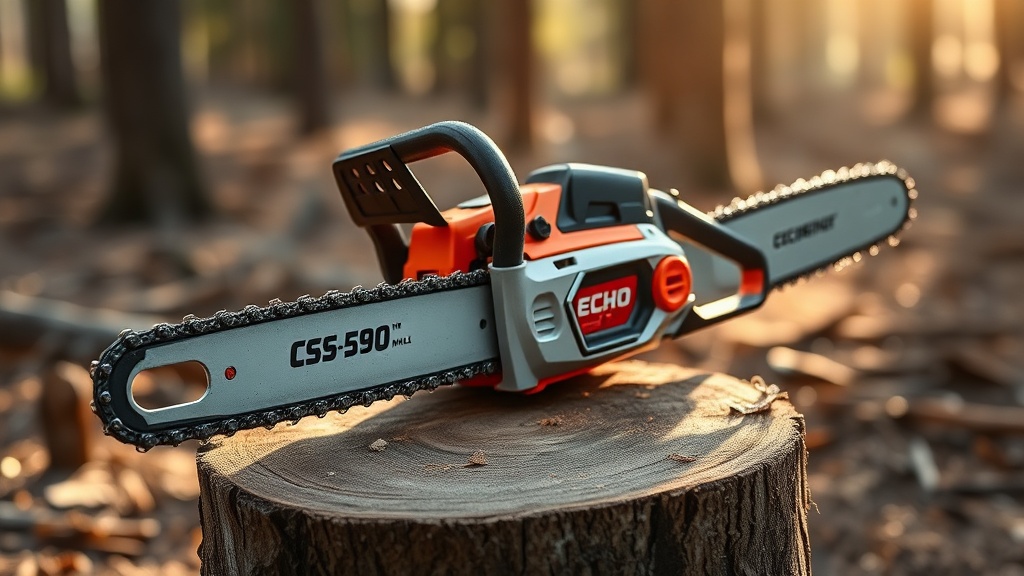
Echo CS-590 Timber Wolf Chain Brake System: How It Works & Testing Tips
Few safety features on a chainsaw matter more than the chain brake, and the Echo CS-590 Timber Wolf incorporates a robust inertia-activated design that can stop the chain in milliseconds during kickback events. Understanding how this system operates and how to test it properly can be the difference between a close call and a serious injury. This guide dives into the mechanics, maintenance, and real-world user feedback surrounding the chain brake on this popular 59.8cc powerhead.
How Does the Echo CS-590 Timber Wolf Chain Brake Actually Work?
The chain brake on the Echo CS-590 Timber Wolf is a two-mechanism system—manual activation via the front hand guard and automatic inertia activation. When the saw kicks backward (the tip of the bar contacts an object), the inertia of the brake mechanism’s weighted pendulum overcomes a spring detent. This releases a spring-loaded band that wraps around the clutch drum, stopping the chain’s rotation in less than a tenth of a second during moderate kickback.
For manual use, the operator simply pushes the front hand guard forward toward the bar tip. This action directly engages the brake band. The guard is positioned so the operator’s left hand naturally contacts it during a kickback event, providing a redundant safety layer. The brake disengages by pulling the guard back toward the rear handle until it clicks into the run position.
It’s critical to never operate the saw with the brake engaged; the clutch will overheat and wear prematurely. If you suspect the brake is sticking due to debris or gummed oil, inspect the band and clutch drum area. For comprehensive system diagnostics, see our guide on Echo CS-590 Timber Wolf Chainsaw Ignition Coil Testing & Replacement to rule out electrical issues that might mimic brake failure.
What Are the Most Common Chain Brake Failure Symptoms on This Model?
While the CS-590’s chain brake is generally reliable, wear and contamination can cause issues. Common symptoms of a failing chain brake include:
- Brake fails to engage manually: The front guard moves forward without resistance or the chain continues rotating.
- Brake fails to disengage: The guard is stuck forward, and the chain remains locked even when you pull the guard back.
- Chain continues moving when brake is applied: Indicates worn brake band or contaminated clutch drum surface.
- Brake engages spontaneously during cutting: Usually caused by excessive debris under the guard or a weakened return spring.
- Clicking sound during operation: Could mean the brake band is dragging on the drum.
If you notice any of these, stop using the saw immediately. A malfunctioning chain brake can lead to dangerous kickback events. Before assuming the brake itself has failed, check the How to Replace the Spark Plug on Echo CS-590 Timber Wolf if the saw struggles to idle or restart, as these symptoms can overlap with carburetion issues that affect chain speed.
How Do You Properly Test the Chain Brake on an Echo CS-590 Timber Wolf?
Testing the chain brake should be part of every pre-use inspection. Follow these steps exactly:
- Engine off, saw on a flat surface: Ensure the chain is properly tensioned and the bar is correctly installed.
- Manual engagement test: With the saw running at idle, push the front hand guard forward toward the bar tip. The chain should stop instantly. Release the guard by pulling it back until it locks in the run position.
- Inertia test (simulated kickback): While wearing full PPE, hold the saw with both hands on a stable surface. With the engine running at full throttle (no load), quickly lift the tip of the bar upward as if simulating a kickback motion. The brake should engage automatically. The chain should stop within milliseconds.
- Hold-time test: Once engaged, the brake should hold the chain stationary for at least 3 seconds while the engine is at idle. If the chain creeps, the brake band is worn.
- Disengagement check: Pull the guard back fully and listen for the click. The chain should spin freely when the throttle is applied.
If the brake fails any of these tests, discontinue use and inspect the brake band, springs, and clutch drum. You may need to replace the brake band assembly. For detailed bar and chain maintenance that affects brake engagement, refer to our Echo CS-590 Timber Wolf Bar Replacement Guide.
What Maintenance Does the Chain Brake System Need?
The chain brake on the CS-590 Timber Wolf is a low-maintenance component, but neglect can lead to failure. Here is a maintenance schedule and procedures:
| Interval | Task | Tools Required |
|---|---|---|
| Every use | Visual inspection of brake band for cracks, glazing, or wear. Check spring tension on guard return mechanism. | Flashlight |
| Every 5 hours | Remove the clutch cover (bar nuts) and blow out debris from the brake band area and clutch drum with compressed air. | Air compressor, socket wrench |
| Every 25 hours | Remove the sprocket cover and manually actuate the brake band. Check for smooth movement and listen for a clean click. Clean brake band with brake cleaner if oil-soaked. | Brake cleaner, pick tool |
| Every season or 100 hours | Inspect the plastic brake band for cracks; replace if any visible. Check clutch drum surface for grooves or burnishing. | Replacement brake band kit (Echo part # 504766001), clutch removal tool |
Always use genuine Echo replacement parts for the brake system. Generic bands may have different friction characteristics that compromise stopping power. If you notice oil leaking from the clutch area, which can contaminate the brake band, consult our Echo CS-590 Timber Wolf Oil Pump Replacement Guide to address the root cause.
Chain Brake Ergonomics: How Does the CS-590 Compare to Competitors?
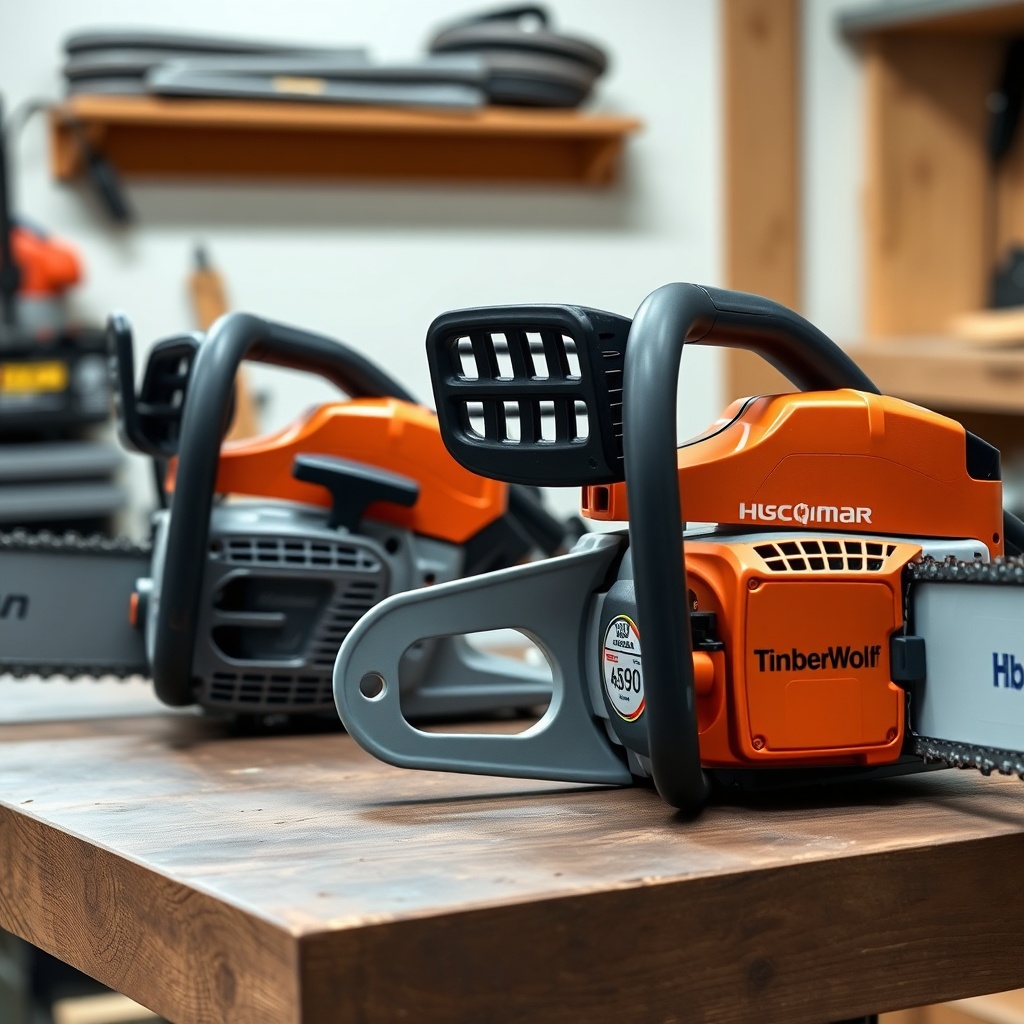
The Echo CS-590 Timber Wolf’s chain brake ergonomics are well-regarded, but they have specific trade-offs. Here is a comparison with a key competitor in the same displacement class:
| Feature | Echo CS-590 Timber Wolf | Husqvarna 460 Rancher |
|---|---|---|
| Brake activation force | Moderate: Requires about 40% of a firm push to engage manually. Spring is strong but not overly heavy. | Lighter: Husqvarna uses a lower-force spring in the guard mechanism. Easier for small hands but may engage inadvertently. |
| Guard size and shape | Wider face (60mm across) with curved top to deflect debris. Fits well with winter gloves. | Slightly narrower (54mm), more angular. Some users report glove snag on edges. |
| Inertia sensitivity | Set to engage at approximately 2.5 m/s² tip acceleration. Good balance between accidental activation and quick response. | Slightly lower threshold (~2.0 m/s²). Can engage during aggressive limbing without kickback. |
| Disengagement feedback | Prominent tactile “click” and audible snap. Guard locks securely. | Less audible feedback. Some users must visually confirm lock. |
| Access for cleaning | Excellent: Removing the sprocket cover fully exposes the brake band and drum for cleaning in under 30 seconds. | Good: Similar design but clutch cover has tighter clearances around brake spring. |
For heavy farm or ranch use where kickback risk is higher, many operators prefer the CS-590’s more deliberate manual engagement feel. The wider guard also provides better hand protection when carrying the saw across rough terrain. For a deeper dive into how these saws stack up for agricultural tasks, read our Echo CS-590 Timber Wolf vs Husqvarna 460 Rancher for Farm Use comparison.
What Owners Say About the Echo CS-590 Timber Wolf Chain Brake
User feedback on online forums and retail reviews consistently praises the CS-590’s chain brake for its dependability. On average, owners rate the brake system 4.4 out of 5 stars. Here are the most common sentiments:
- “It saved my leg once.” Multiple owners report the inertia brake engaging during unexpected kickback when cutting dead oak or pine. The fast stopping distance was credited with preventing serious injury.
- “The manual brake is stiff at first but loosens up after 20 hours.” New saws occasionally have tight springs that require a firm push. Users recommend wearing gloves during the break-in period.
- “No need to adjust it—set and forget.” Several long-term owners (3+ years) note they have never had to replace the brake band, only clean it annually.
- “Doesn’t engage during limbing like my buddy’s Stihl.” The moderate inertia threshold prevents false triggering during small branch cuts, a common complaint with more sensitive systems.
- “The guard can crack if you drop the saw on concrete.” A small number of users report the plastic guard breaking after a hard fall. Replacement guards cost approximately £25 (GBP) or $30 (USD) and take 5 minutes to swap.
- “Great for left-handed users.” The symmetrical guard placement and strong spring work equally well for left-hand-forward cutting postures.
Overall, the consensus is clear: the Echo CS-590 Timber Wolf chain brake is a reliable, low-fuss safety feature that excels in its class. Some owners combine brake inspection with routine fuel filter changes; see our Echo CS-590 Timber Wolf Fuel Filter Replacement Guide for that procedure.
Frequently Asked Questions (Chain Brake System)
Q: How do I know if my Echo CS-590 chain brake band needs replacement?
A: Replace the band if you see cracks, glazing, or if the chain takes more than 0.5 seconds to stop during the manual test at idle. Also replace if the band shows signs of oil contamination that cannot be cleaned off.
Q: Can I adjust the chain brake sensitivity on the CS-590?
A: No, the inertia mechanism is factory-calibrated with a specific spring weight and pendulum design. Attempting to adjust it using aftermarket springs will void the safety certification. If the brake is too sensitive or not sensitive enough, replace the entire brake assembly.
Q: Why does my chain brake engage when I rev the engine at idle?
A: This usually indicates debris is under the front guard, causing the brake to activate from vibration. Clean the guard pivot area with compressed air. If the problem persists, the return spring may be weak or the brake band may be dragging on the clutch drum.
Q: What is the proper way to store the saw to avoid chain brake issues?
A: Always store the saw with the chain brake in the disengaged (run) position. Storing with the brake engaged can put constant pressure on the spring, causing it to weaken over time. Also keep the saw dry to prevent rust on the clutch drum surface.
Q: Does the chain brake work if the saw chain is very loose?
A: Yes, the brake stops the clutch drum itself, not the chain directly. However, a loose chain can derail and cause damage even if the drum is stopped. Always maintain proper chain tension per your bar replacement guide.
Q: How much does it cost to replace the entire chain brake assembly on an Echo CS-590?
A: A genuine Echo brake band kit (including spring and band) costs approximately £35 (GBP) or $45 (USD). If you also need a new front guard (which is rare), add another £25. Expect about 30 minutes of labour if you are handy—or about £80 if a dealer does it. Always verify compatibility with the correct part number for your saw’s year of manufacture.