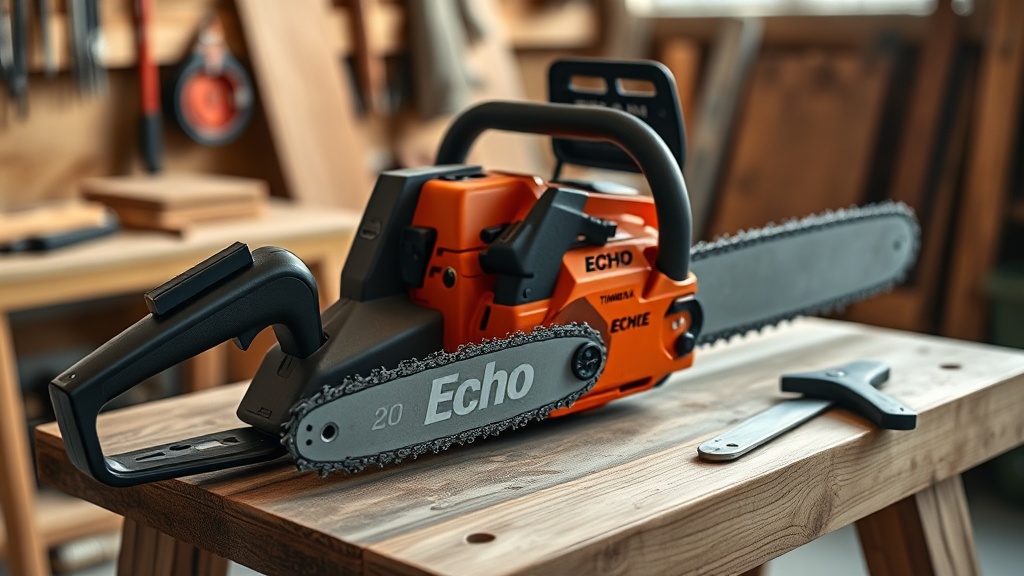
Echo CS-590 Timber Wolf Bar Replacement: A Comprehensive Guide
When the bar on an Echo CS-590 Timber Wolf begins to show wear, it isn’t just about replacing a part—it’s about maintaining the saw’s legendary cutting efficiency. This guide walks through the critical steps and considerations for swapping the guide bar, covering everything from choosing the right length to ensuring proper oil circulation. Whether you’re a first-time homeowner or a seasoned pro, understanding the bar replacement process will keep your Timber Wolf performing like new, saving you both time and money on the job site.
The Echo CS-590 Timber Wolf is a robust 59.8cc chainsaw known for its remarkable power-to-weight ratio and durability. While its factory bar is a solid performer, eventually even the best bars suffer from rail wear, grooving, or damage from pins and nails. This guide provides the essential knowledge to replace the bar correctly, ensuring consistent oil delivery and smooth chain operation.
What Size Guide Bar Does the Echo CS-590 Timber Wolf Accept?
The Echo CS-590 Timber Wolf is a versatile machine that can handle a range of bar lengths to suit different tasks. The factory ships the saw with a 20-inch bar, but the saw’s clutch cover and oil pump are designed to accommodate both shorter and longer setups. Most owners find the sweet spot between a 16-inch and 24-inch guide bar, though the maximum recommended length is 27 inches for extreme cutting scenarios (though this places strain on the oiler).
For typical firewood cutting and property maintenance, an 18-inch or 20-inch bar provides excellent balance. A 16-inch bar improves maneuverability for limbing and small-diameter felling, while a 24-inch bar is best for bucking large logs. However, be aware that using a bar longer than 24 inches requires a bar stud extension kit and may reduce the oiler’s ability to keep the system lubricated.
When selecting a replacement bar, always verify the gauge and pitch match your existing chain. The Echo CS-590 uses a 3/8-inch pitch, .050-inch (0.063-inch on some aftermarket bars) gauge, and a drive link count of 72 for a 20-inch bar. Check your owner’s manual for exact specifications before purchasing.
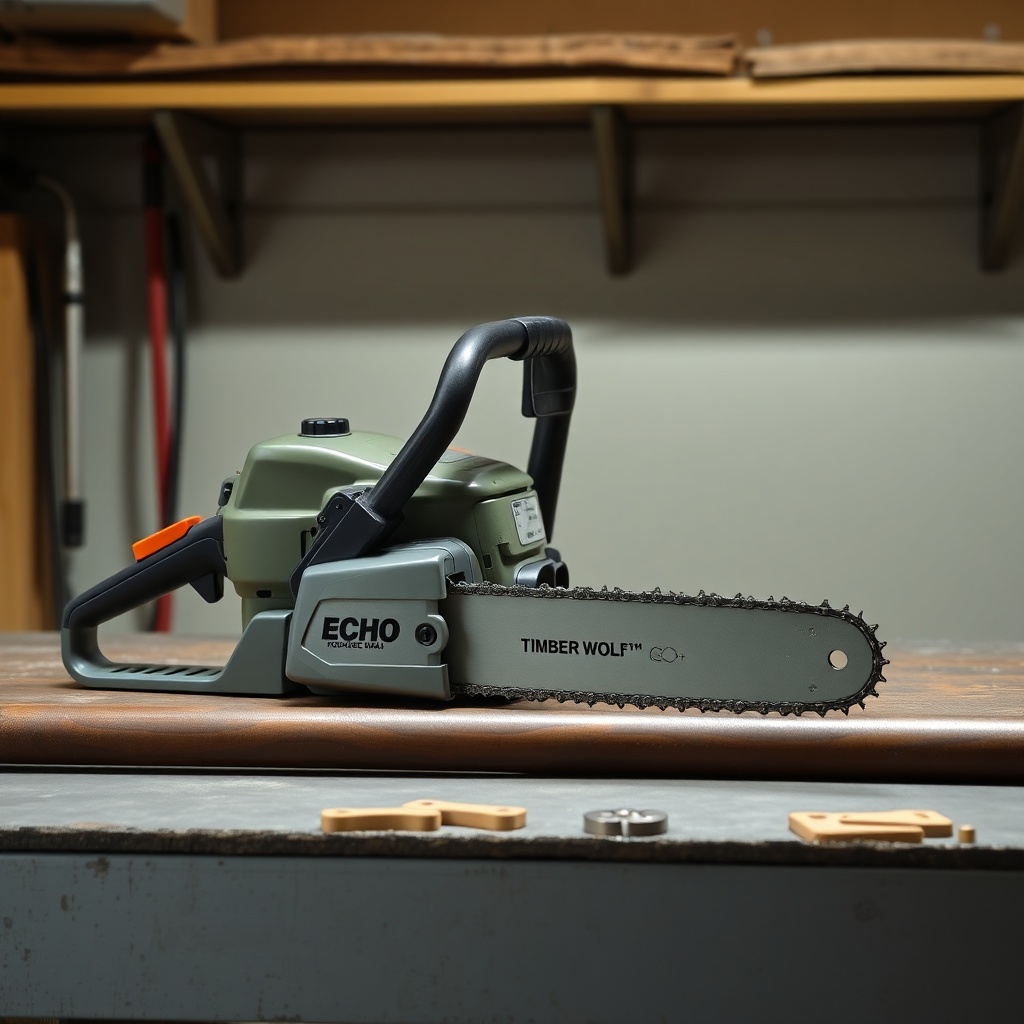
When Should I Replace the Guide Bar on My Echo CS-590 Timber Wolf?
Guide bar wear is a gradual process that many owners overlook until performance drops noticeably. There are a few telltale signs that indicate it’s time for a replacement. The most common is a bent or twisted bar, which often happens from hitting the tip against the ground or pinching the bar in a cut. A bent bar will cause the chain to run irregularly, leading to vibration and rapid chain wear. Place the bar on a flat surface and check for gaps; if it rocks or wobbles, it’s toast.
Another key indicator is rail height wear. Over time, the side rails on the bar groove become lower, which can cause the chain to sit too low and the drive links to contact the bottom of the groove. A chain that feels loose but cannot be tensioned properly is a strong sign of rail wear. Similarly, burrs or mushrooming on the bar tip (especially replaceable sprocket tip bars) indicate the sprocket nose has worn out. If the tip spins freely but feels gritty, it’s time to replace the bar or swap the sprocket tip.
Finally, if you notice uneven oil distribution—where one side of the cut gets significantly more lube than the other—the bar oil hole or oil passage may be clogged or the bar could be warped. In such cases, replacing the bar ensures consistent chain lubrication and prolongs chain life.
How to Select the Right Replacement Bar for Echo CS-590 Timber Wolf
Choosing a replacement bar involves more than just matching the length. The most critical specifications are the bar mount pattern. The Echo CS-590 uses a K095 mount pattern (also known as K095 or A041 pattern, which is shared with many Echo, Poulan, and Craftsman models). This mount pattern features a small rectangular oil hole and two stud slots spaced 3/4 inches apart. Always confirm the mount pattern of any aftermarket bar you’re considering; many manufacturers list compatibility for the Echo CS-590 explicitly.
Gauge and pitch are equally important. Stick with the factory specs: 3/8-inch pitch and .050-inch gauge. Using a .058-inch gauge chain on a .050-inch groove bar creates dangerous slack and poor cutter alignment. The number of drive links must also match your requested bar length. For reference, a 20-inch bar takes 72 drive links, an 18-inch takes 66, and a 16-inch takes 62. If you change bar length, you must also change the chain to match.
Material quality matters too. Factory Echo bars are typically made of hardened steel with a replaceable sprocket tip. Aftermarket options include laminated bars (cheaper but less durable) or solid steel bars (heavier but longer-lasting). For heavy-duty use, a bar with a replaceable tip is highly recommended, as you can replace the sprocket tip when it wears without replacing the entire bar.
Step-by-Step Guide to Removing the Guide Bar on Echo CS-590 Timber Wolf
Before beginning, ensure the saw is turned off and the spark plug cap is disconnected to prevent accidental starting. You will need a flat-blade screwdriver or a 12mm socket to loosen the two bar stud nuts. Place the saw on a stable work surface with the clutch cover facing up.
First, remove the bar nuts using the combination wrench that came with the saw (or an 8mm/10mm socket). These nuts secure the clutch cover and chain tensioner assembly. Once the nuts are off, lift the clutch cover off the saw, being careful not to lose the tensioner pin or the chain brake mechanism. Set the cover aside.
Next, slide the chain off the sprocket and drag it off the bar groove. Lift the old bar straight up off the bar studs. Inspect the bar studs for damage; if they are bent or stripped, they must be replaced before installing the new bar. At this point, also clean the oil port on the saw body using a small wire or compressed air to remove any sawdust or debris. This ensures the new bar receives adequate oil flow.
When the saw is clean, place the new bar onto the two studs, aligning the bar oil hole with the oil port on the saw. Fit the chain over the sprocket and into the bar groove, ensuring the chain’s cutters are facing the correct direction (the cutting edge should face the direction of rotation, which is clockwise when viewed from the clutch cover side). Slide the chain tensioner pin into its slot on the bar, then reinstall the clutch cover and tighten the bar nuts finger tight. Do not fully tighten yet—you need to tension the chain first.
How to Properly Tension the Chain After Bar Replacement
Chain tension is critical for both performance and safety after installing a new bar. A loose chain can derail, causing kickback, while an overtightened chain generates excessive heat and wears the bar and chain prematurely. Begin by turning the tensioning screw clockwise (usually located on the clutch cover) until the chain is snug against the bottom of the bar groove. Pull the chain along the top of the bar—it should have slight resistance but not be tight enough to prevent the chain from being turned by hand.
With the bar held at its nose, rotate the chain by hand to ensure it moves freely. Then, lift the chain in the middle of the bar; the drive links should remain in the groove. If they pull out completely, increase tension slightly. Once proper tension is achieved, lift the bar nose slightly and fully tighten the bar nuts to the manufacturer’s recommended torque (typically 12–15 Nm, or 9–11 ft-lbs). Recheck the tension after tightening, as the bar can settle.
After the first tank of gas, double-check the tension. New bars and chains often stretch slightly during break-in, so adjusting after initial use is normal. Running a new bar with a warped or misaligned chain will damage the bar rails quickly, so err on the side of checking tension frequently during the first day of use.
Comparison: OEM Echo Bar vs Aftermarket Options for CS-590
| Specification | OEM Echo Bar (A001000941) | Aftermarket Bar (Oregon Model 180S |
|---|---|---|
| Length | 20 inches (comes with most saws) | 20 inches (works with K095 mount) |
| Gauge | 0.050 inches | 0.050 inches |
| Pitch | 3/8 inch | 3/8 inch |
| Tip Type | Replaceable sprocket tip (2-pin) | Replaceable sprocket tip |
| Price (USD) | $49.99–$59.99 | $34.99–$44.99 |
| Durability | Excellent steel, long wear life | Good, but rails may wear faster |
| Oil Hole Alignment | Perfect fit, no modification needed | Usually fits, but may require slight filing |
| Warranty | 2 years (with saw purchase) | 1 year limited |
What Owners Say About Echo CS-590 Timber Wolf Bar Replacement
Seasoned users of the Echo CS-590 Timber Wolf commonly note that the factory bar is a solid performer, but many upgrade to a longer bar for heavy logging. One long-time owner on a chainsaw forum remarked, “I switched to a 24-inch Oregon bar for the CS-590, and it handles 36-inch oak like a champ. Just had to replace the bar studs with the extension kit, but the saw oils it great.” Another user pointed out a common shortcoming: “The stock bar has a plastic sprocket tip cover that wears through fast. I replaced mine with a steel-tip bar from Archer Pro, and it’s been going strong for three years.”
However, some owners report that aftermarket bars do not always have the oil holes perfectly aligned. One user shared, “I bought a generic K095 bar, and the oil hole was 2mm off. I had to drill a new hole, which isn’t hard, but it was annoying.” Others recommend sticking with Echo’s own bar for the best fit. Overall, the community consensus is that the CS-590’s bar replacement is straightforward, but investing in a quality bar with a replaceable sprocket tip is worth the extra money for heavy use.
Related to the oiling system, some owners also find that after swapping the bar, they need to inspect the Echo CS-590 Timber Wolf Oil Pump to ensure proper flow. If the new bar seems to run dry, checking the oil pump is a smart next step.
Frequently Asked Questions About Echo CS-590 Timber Wolf Bar Replacement
Q1: Can I use a 24-inch bar on my Echo CS-590 Timber Wolf without modifications?
A1: Yes, you can use a 24-inch bar, but you will need a bar stud extension kit (Echo part number 90052 or equivalent) to provide enough stud length for the longer bar. The oil pump can handle up to 24 inches, but for 27-inch bars, upgrade the oiler output. Always verify chain drive link count changes with the bar length.
Q2: How often should I replace the guide bar on my CS-590?
A2: With regular use (cutting 2-3 cords per year), a quality bar lasts 2-3 years. Replace it when the rails are less than 1/2 of their original height, the bar is bent, or the sprocket tip becomes rough. Frequent chain replacement also extends bar life.
Q3: Do I need to oil the guide bar during storage?
A3: Yes, after cleaning, spray a light lubricant (like WD-40 or bar oil) on the bar groove and sprocket tip to prevent rust. Store the saw with the bar and chain loose to avoid pressure on the rails.
Q4: Can I replace just the sprocket tip on my Echo CS-590’s bar, or do I need a full bar?
A4: If the bar has a replaceable sprocket tip (check for a small screw on the end), you can replace just the tip. Otherwise, you’ll need to buy a new bar. Most OEM and high-end aftermarket bars offer replaceable tips.
Q5: My chain keeps coming off after bar replacement. What’s wrong?
A5: This usually indicates incorrect chain tension, a worn bar groove, or a misaligned sprocket. Check that the chain is properly seated in the bar groove and that the tensioner pin is engaged. If the problem persists, inspect the fuel filter to ensure the engine is getting proper fuel, as a lean engine can cause vibrations that loosen the chain.
Q6: Will a 16-inch bar affect the power of my Echo CS-590?
A6: No, a 16-inch bar will actually improve acceleration and reduce chain friction, making the saw feel more responsive for limbing. The saw’s power is ample for that length. Just ensure the bar mount pattern and gauge match.
For additional troubleshooting, refer to the Echo CS-590 Timber Wolf Recoil Starter Replacement Guide if you experience starting issues after maintenance, or check the ignition coil if the saw runs rough after a bar change.
Proper bar maintenance is the cornerstone of chainsaw longevity. By following this guide, you ensure your Echo CS-590 Timber Wolf continues to deliver reliable, precise cuts for years to come.