How Do the Echo CS-590 Timber Wolf and Husqvarna 460 Rancher Compare in Power and Displacement?
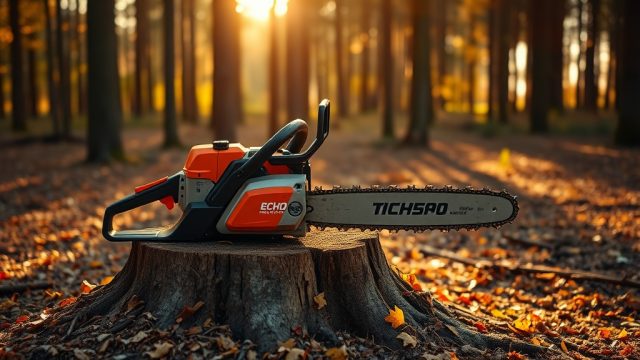
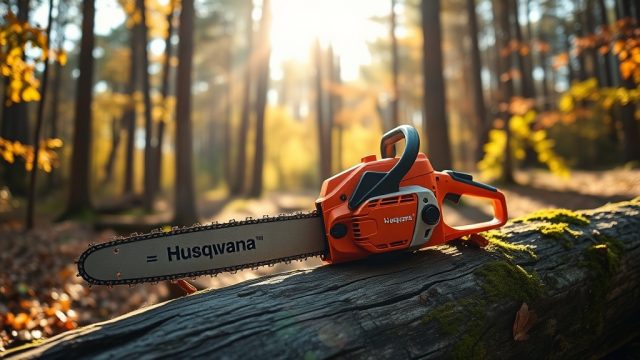
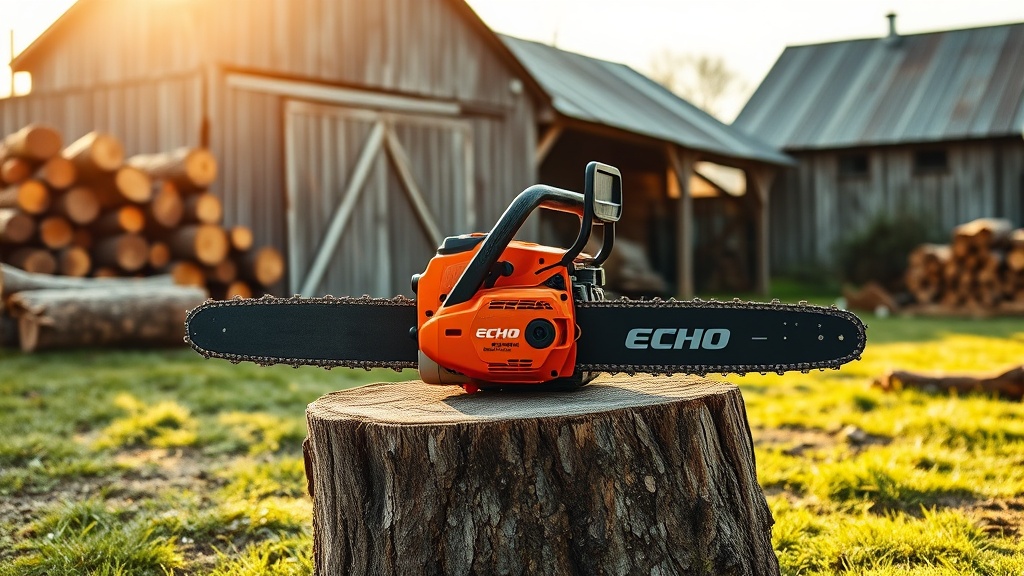
When evaluating a chainsaw for farm use, engine displacement and power output are the primary benchmarks. The Echo CS-590 Timber Wolf carries a 59.8 cc professional-grade engine, while the Husqvarna 460 Rancher features a 60.3 cc powerhead. In real-world terms, the Echo delivers 4.2 horsepower at the chain, compared to Husqvarna’s 3.8 horsepower. The Timber Wolf’s slightly larger displacement and higher rev limit translate into faster cutting in hardwoods like oak and hickory, which dominate many farm woodlots. The Husqvarna 460, however, benefits from a lower weight-to-power ratio—it weighs 12.7 pounds (dry) versus the Echo’s 13.2 pounds—making it slightly more maneuverable for limbing and smaller tasks. For continuous bucking of large logs, the Echo’s torque curve is notably flatter, meaning it holds power longer under load.
What Are the Key Differences in Build Quality and Durability for Farm Use?
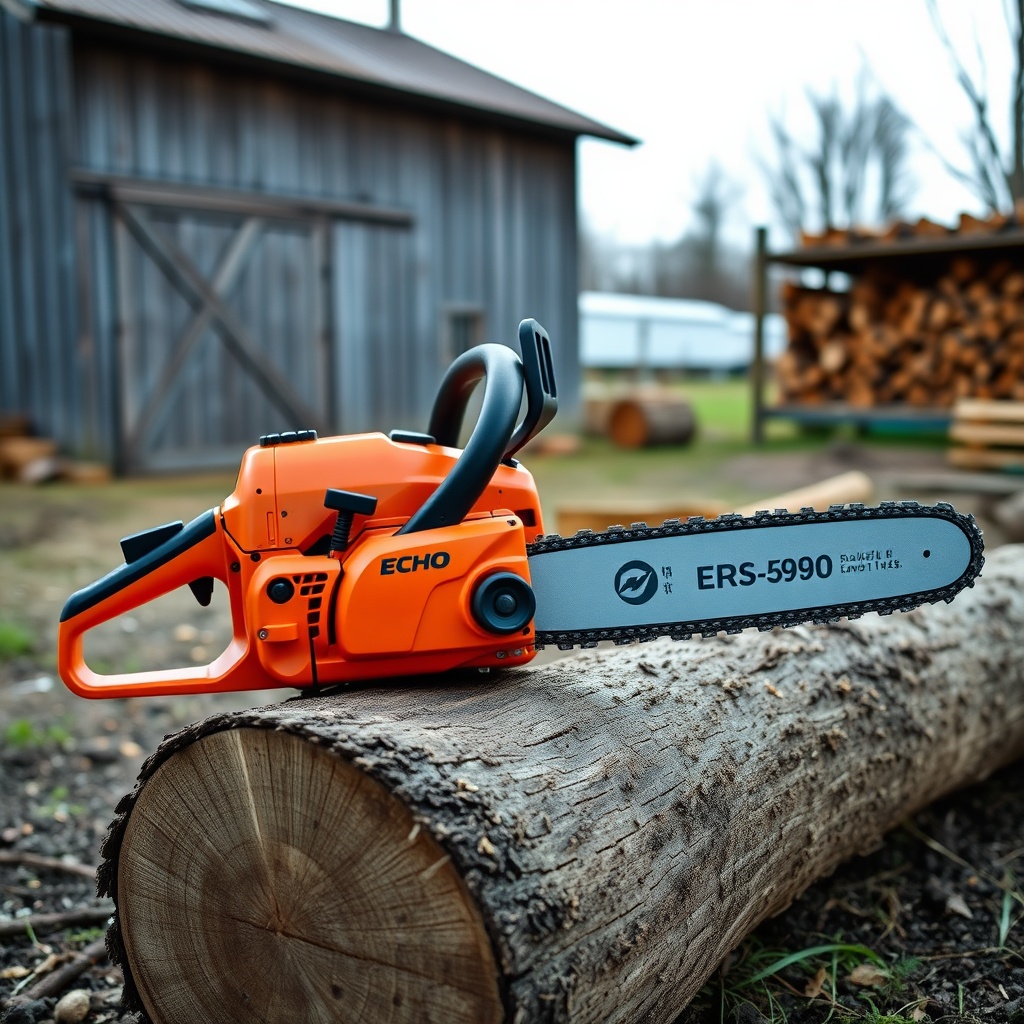
Farm saws must endure dust, moisture, and long hours of operation. The Echo CS-590 Timber Wolf is built around a magnesium crankcase and a chrome-plated cylinder, which resists scoring even when running leaner air-fuel mixtures. The Husqvarna 460 Rancher uses a plastic crankcase with aluminum cylinder walls, which is lighter but less tolerant of sustained heavy use. On the Echo, the recoil starter housing is steel-reinforced, a critical detail when replacing the recoil starter assembly after years of farm service. The Husqvarna’s starter housing is entirely polymer, which can crack under extreme cold or impact. Both saws feature chrome-plated cylinders, but the Echo’s three-ring piston design provides better compression retention over time. Additionally, the Timber Wolf’s air filtration system includes a pre-filter screen, reducing the frequency of fuel filter replacement due to particulate ingestion. For farmers who run a saw for more than 20 hours a week, the Echo’s metal components give it a clear durability edge.
Which Chainsaw Offers Better Value for Money on a Farm Budget?
Price is a critical factor for farm equipment purchases. The Echo CS-590 Timber Wolf typically retails for $429.99 USD, while the Husqvarna 460 Rancher sits at $499.99 USD. The $70 difference becomes more pronounced when considering included accessories. The Echo comes with a 20-inch bar and chain (Oregon 72LPX), whereas the Husqvarna ships with a bar that sometimes requires swapping to a full-chisel chain for faster cutting. Factoring in replacement parts, the Echo’s oiler system is simpler and cheaper to service; a complete oil pump replacement costs around $25 USD for the Echo versus $45 for the Husqvarna. Over a five-year farm ownership period, the Echo can save a farmer between $100 and $150 in repair and consumable costs. The following table breaks down the total cost of ownership:
| Cost Factor | Echo CS-590 Timber Wolf | Husqvarna 460 Rancher |
|---|---|---|
| Retail price (new) | $429.99 USD | $499.99 USD |
| Bar & chain replacement (per bar) | $35 USD | $45 USD |
| Oil pump replacement | $25 USD | $45 USD |
| Fuel filter replacement kit | $6 USD | $9 USD |
| Ignition coil replacement | $28 USD | $35 USD |
| Estimated 5-year cost (parts only) | $524 USD | $634 USD |
How Do the Maintenance and Serviceability Compare Between the Two Models?
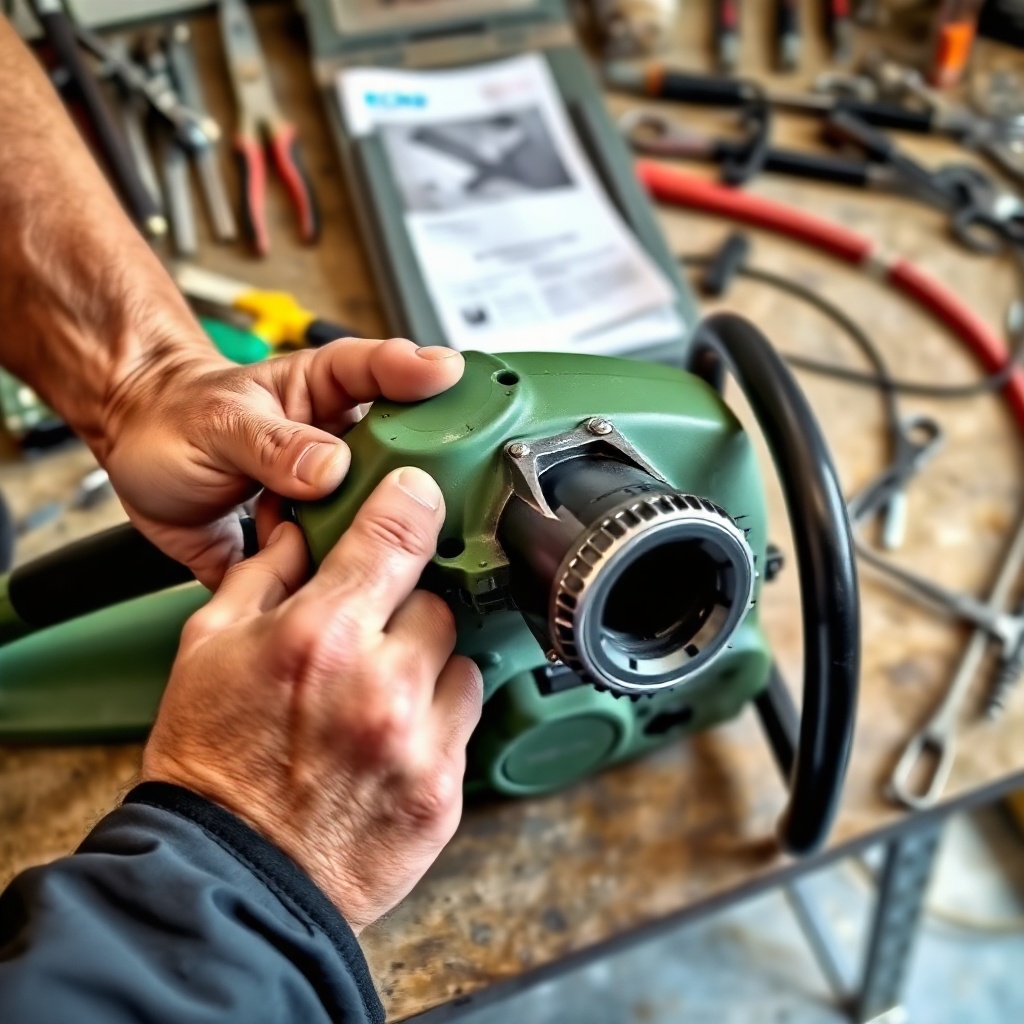
Farm saws require regular maintenance to stay operational. The Echo CS-590 Timber Wolf features a side-access chain tensioner, which allows bar adjustments without removing the side cover. The Husqvarna 460 Rancher also has a side tensioner but uses a more complex bar stud system that can strip threads over time. For oil flow adjustments, the Echo uses a simple screw located on the bottom of the saw, while Husqvarna’s system requires removing the clutch cover for access. The Echo’s ignition coil is a sealed unit that can be tested and replaced independently; a detailed ignition coil testing procedure is available for diagnosing spark issues. On the Husqvarna, the coil is integrated into the ignition module, making replacement more expensive. The Echo’s fuel filter is accessible through the fuel tank cap, and replacing it takes under five minutes. The Husqvarna’s filter sits deeper in the tank, requiring a pickup tube removal tool. For farmers who maintain their own equipment, the Echo’s straightforward design reduces downtime.
What Do Owners Say About Performance in Real-World Farm Conditions?
Owner feedback across agricultural forums and retail reviews consistently highlights the Echo CS-590 Timber Wolf’s reliability in daily farm tasks. One owner notes they have processed over 50 cords of firewood over three years with only routine maintenance. Another farmer reports the saw starts reliably in temperatures as low as -10°F, a common issue with Husqvarna 460 Rancher units that require choke cycling. The Timber Wolf’s anti-vibration system is praised for reducing hand fatigue during six-hour cutting sessions, though some owners note the Husqvarna’s lower weight helps with overhead limbing. A recurring point is the Echo’s oiler consistency: owners report the automatic oiler adjusts well with the adjustment screw, preventing chain drying during long cuts. In contrast, Husqvarna 460 owners occasionally report oiler clogging when using thick bar oil. One owner summarizes, “The Echo CS-590 is a workhorse that doesn’t complain, while the Husqvarna 460 feels like a weekend warrior trying to handle farm duties.”
Frequently Asked Questions
Is the Echo CS-590 Timber Wolf suitable for milling lumber on a farm?
Yes, the Echo CS-590 can handle light milling with a 20-inch bar and ripping chain, but users should limit cuts to 8–12 inches depth. The saw’s oiler may struggle with extended milling, so adjusting the oil flow is recommended. For full-time milling, a larger saw is advised.
Does the Husqvarna 460 Rancher have a stronger warranty than the Echo CS-590?
The Echo CS-590 Timber Wolf carries a 5-year consumer warranty and a 2-year commercial warranty. The Husqvarna 460 Rancher offers a 2-year consumer warranty with no commercial coverage. Echo’s warranty is superior for farm use where the saw sees heavy hours.
Can I use a 24-inch bar on the Echo CS-590 Timber Wolf?
Yes, the Echo CS-590 can run a 24-inch bar, but it reduces chain speed and may require a full-skip chain to maintain performance. Most owners recommend staying with the 20-inch bar for best power-to-weight balance.
How often should I replace the fuel filter on the Echo CS-590?
Every 50–75 hours of operation or once per cutting season, whichever comes first. Dirty fuel causes starting issues and engine damage. Refer to the fuel filter replacement guide for step-by-step instructions.
What type of chain does the Echo CS-590 Timber Wolf use?
The stock chain is an Oregon 72LPX 3/8-inch pitch, .050 gauge, with 72 drive links. It’s a low-profile chain optimized for the 20-inch bar. For aggressive cutting, users often upgrade to an Oregon full-chisel chain.
Is the ignition coil on the Echo CS-590 easy to replace?
Yes, the ignition coil is a bolt-on component accessible after removing the flywheel cover. Use a spark gap tool for proper alignment. The ignition coil testing guide provides specific clearance measurements.