Why Perform a Carburetor Rebuild on the Stihl MS 261 C-M?
The Stihl MS 261 C-M is a professional-grade chainsaw known for its robust M-Tronic engine management system. However, even the most advanced fuel systems can suffer from degraded performance over time. When the saw starts to hesitate, idle erratically, or fails to reach full power, the carburetor is often the culprit. A rebuild—replacing the gaskets, diaphragms, and fuel inlet needle—restores proper fuel metering without the cost of a full replacement. This guide provides a step-by-step walkthrough for tackling this repair yourself, ensuring your saw runs like new.
Before diving into the rebuild, note that the MS 261 C-M uses a specific WT-215A carburetor with M-Tronic compensation. Cross-referencing parts is critical. For comprehensive fuel system maintenance, see the Stihl MS 261 C-M Fuel System Cleaning: Carburetor, Lines & Filter article to ensure all components are clean before reassembly.
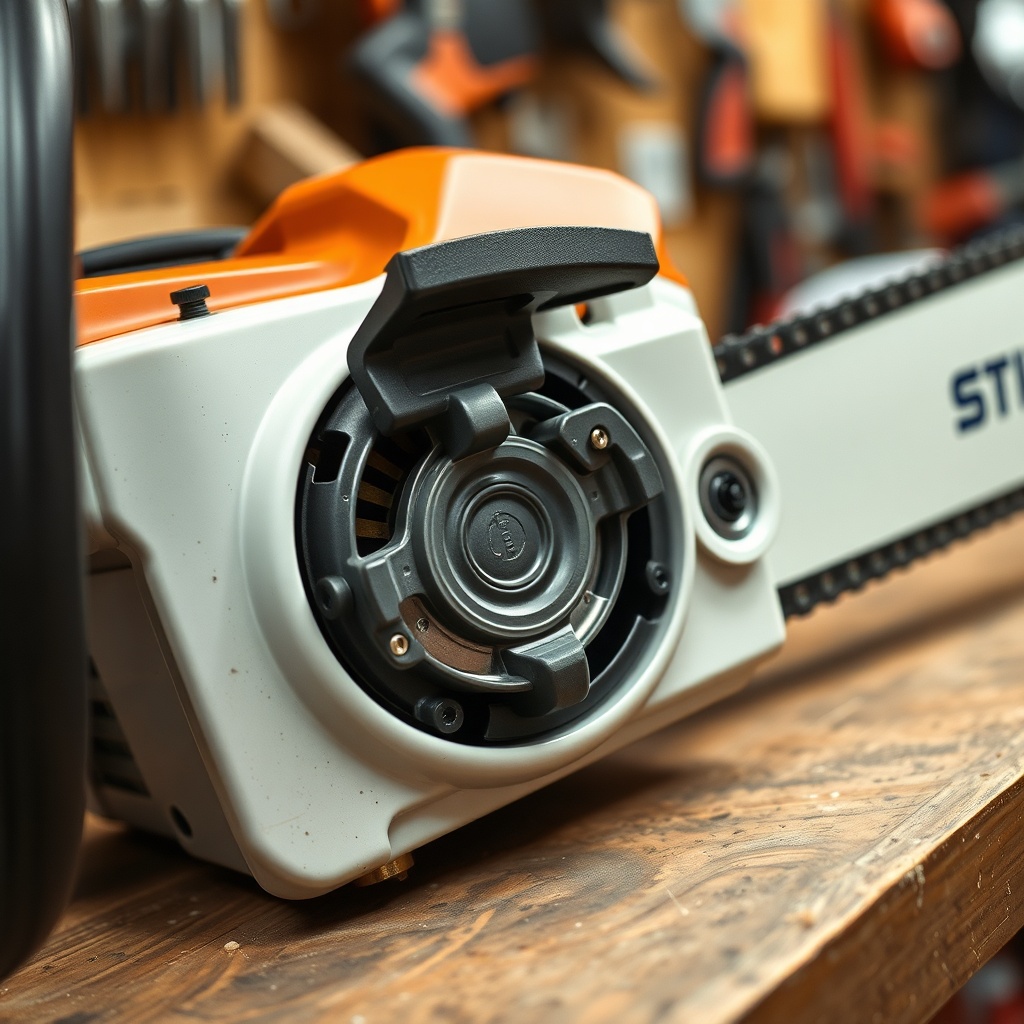
What Tools and Parts Are Needed for the Rebuild?
Gathering the correct tools and OEM (original equipment manufacturer) parts is essential for a successful rebuild. Using aftermarket kits can lead to incorrect fitment and poor performance with the M-Tronic system. Here’s a detailed list:
- Stihl Carburetor Rebuild Kit (part number 0000 120 8207): This includes the gasket set, two diaphragms (metering and pump), and the fuel inlet needle. Price: approximately £18 to £25 in the UK or $22 to $30 in the US.
- New fuel line and filter: Stihl 5mm fuel line (part 0000 358 0501) and filter (0000 350 4500). Combined cost: roughly £10–£15.
- Tools: T20 Torx screwdriver, flathead screwdriver (small), needlenose pliers, a clean cloth, parts cleaning spray (non-residue), and compressed air.
- Optional: Carburetor screw extractor (for stuck adjustment screws) and a vacuum/pressure test kit (for advanced diagnostics).
A standard rebuild kit costs between £15 and £25. A full carburetor replacement can fetch £85–£120, so rebuilding is cost-effective.
How Do I Remove the Carburetor from the Stihl MS 261 C-M?
Proper removal ensures no damage to the saw or fuel lines. Follow this sequence carefully:
First, drain the fuel tank and run the chainsaw until it stalls to clear remaining fuel. Remove the chain and bar for easier access. Then, unscrew the three T20 Torx screws securing the top housing and air filter cover. Lift off the cover and remove the air filter. Next, disconnect the fuel tank vent line (a small black hose) near the carburetor. Unscrew the two T20 screws holding the carburetor support bracket. Carefully pivot the bracket away. Now, disconnect the fuel supply line and the return line from the carburetor ports—use needlenose pliers to squeeze the hose clamps. Finally, remove the two T20 screws holding the carburetor to the intake manifold. Gently pull the carburetor free from the rubber manifold boot. Set it on a clean cloth.
If you encounter stubborn fuel lines, refer to the Stihl MS 261 C-M Fuel System Cleaning: Carburetor, Lines & Filter guide for line extraction tips.
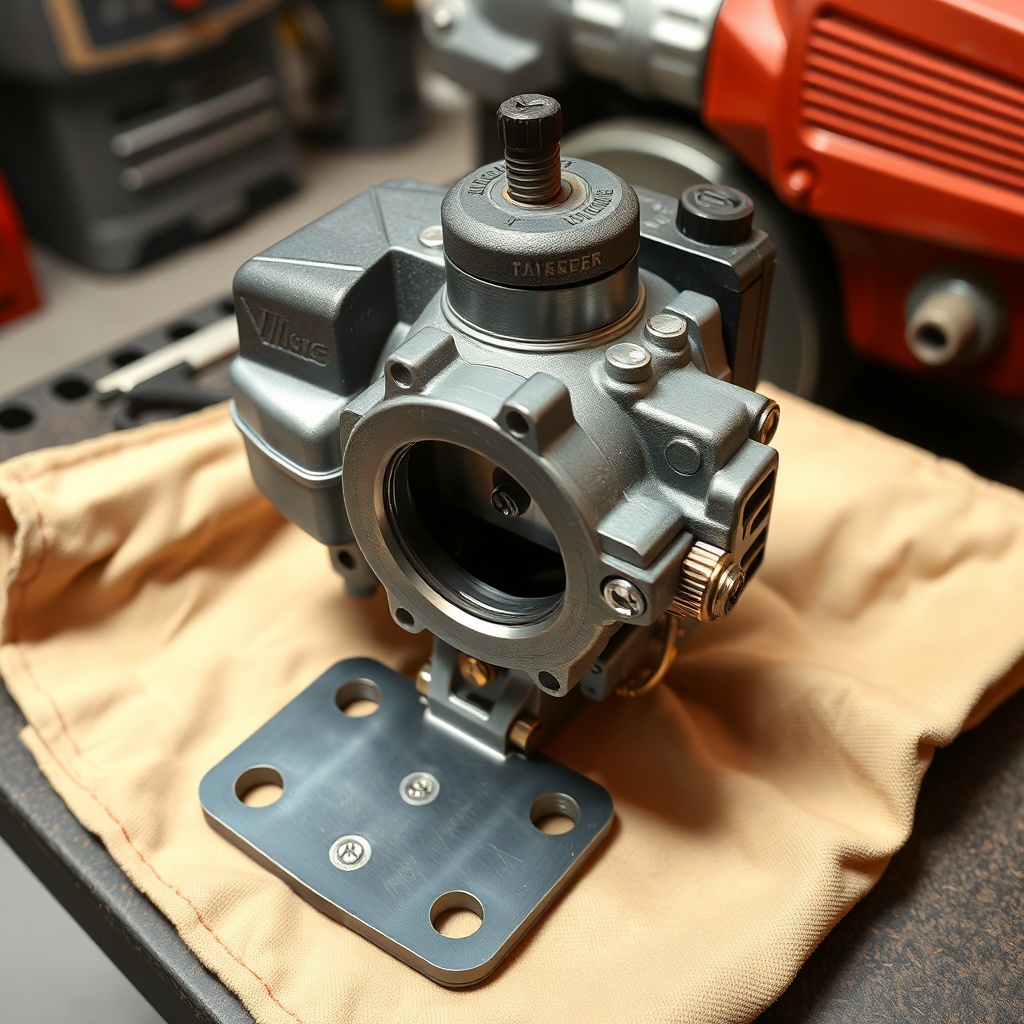
What Is the Step-by-Step Disassembly and Rebuild Process?
With the carburetor on a clean bench, proceed systematically:
- Step 1: Remove the top cover. Use a T20 Torx driver to unscrew the four screws on top. Lift off the black plastic cover to reveal the metering diaphragm and gasket.
- Step 2: Replace the metering diaphragm and gasket. Gently pry out the old diaphragm (the thin rubber sheet) and the gasket below it. Clean the chamber with spray. Place the new gasket, then the new diaphragm (ribbed side facing up) in the recess. Reinstall the cover and tighten screws in a star pattern to 2–3 Nm.
- Step 3: Remove the bottom plate. Flip the carburetor. Unscrew the three T20 screws holding the bottom pump cover. Lift it off to reveal the pump diaphragm and gasket.
- Step 4: Replace the pump diaphragm and gasket. Remove the old diaphragm and gasket. Clean the chamber. Place the new gasket, then the new pump diaphragm (smooth side facing up). Reinstall the bottom cover and tighten screws.
- Step 5: Replace the fuel inlet needle. Inside the metering chamber, locate the small brass fuel inlet needle and the lever arm. Remove the needle by pulling it straight out. Insert the new needle from the kit, ensuring it seats properly. The lever arm should sit flat against the needle’s tip—adjust if needed (bend slightly with pliers, though not often required on M-Tronic carbs).
- Step 6: Reassemble and inspect. Reinstall the top cover. Check that the choke plate and throttle lever move freely.
For fine-tuning the M-Tronic system after rebuild, see the Stihl MS 261 C-M Carburetor Adjustment & Tune-Up Guide. M-Tronic often self-adjusts, but idle speed may need manual setting.
What Are Common Mistakes During the Rebuild?
Avoid these pitfalls to ensure a smooth rebuild and prevent recurring issues:
| Mistake | Severity | Cause | Prevention |
|---|---|---|---|
| Using aftermarket diaphragms | High | Poor seal, incorrect fuel metering | Always use Stihl OEM kit (0000 120 8207) |
| Overtightening screws | Medium | Stripped threads or cracked plastic cover | Tighten to 2–3 Nm using a torque driver |
| Dirty fuel ports | High | Debris clogs new diaphragms | Clean all chambers with spray before reassembly |
| Incorrect lever arm height | Medium | Flooding or starvation | Check lever arm sits flush with needle tip |
| Ignoring fuel line condition | High | Air leaks from old brittle lines | Replace fuel lines and filter at same time |
Additionally, always ensure the carburetor base gasket (between manifold and cylinder) is intact. A leak here mimics carburetor problems. For cold weather operation after rebuild, consult Stihl MS 261 C-M Winter Starting Tips: Cold Weather Operation Guide to adjust choke usage.
What Owners Say About the Rebuild Process
Experienced Stihl MS 261 C-M owners frequently share their rebuild experiences online. John, a tree surgeon from Kent, reports: “I rebuilt my carburetor after it started bogging down under load. The OEM kit cost me £22, and the whole job took 45 minutes. The saw runs like new again. Just be careful with those tiny screws.” Another owner, Maria from Ontario, notes: “I stripped one of the pump cover screws because I over-tightened it. Use a proper torque driver like the manual says.” Many users emphasize that cleaning the fuel system is equally critical. One comment reading: “After the rebuild, my saw still had issues. Turned out the fuel line was blocked. Check that first.” The consensus is that the rebuild is manageable for a DIYer, but attention to detail and quality parts are non-negotiable. For safety checks after reassembly, review the Stihl MS 261 C-M Chain Brake Testing & Adjustment Guide to ensure the brake mechanism is functional before each use.
Frequently Asked Questions
Q: How often should I rebuild the carburetor on my Stihl MS 261 C-M?
A: Under normal use, a rebuild every 2–3 years or after 150 hours of operation is recommended. Signs of wear include hard starting, low idle, or fuel leakage.
Q: Can I rebuild the carburetor without removing the saw from the body?
A: It is not recommended. The carburetor must be fully removed to access the bottom pump cover and fuel lines. Partial access risks damaging the intake manifold.
Q: Will a rebuild fix a flooding problem?
A: Yes, if the flooding is caused by a stuck fuel inlet needle or a ruptured metering diaphragm. However, also check the M-Tronic unit for faults if flooding persists after rebuild.
Q: Do I need to adjust the M-Tronic unit after a carburetor rebuild?
A: In most cases, the M-Tronic computer self-calibrates after a few starts. If the saw runs roughly, refer to the Stihl MS 261 C-M Carburetor Adjustment & Tune-Up Guide for manual idle and low-speed tuning.
Q: What is the difference between a rebuild kit and a full carburetor replacement?
A: A rebuild kit includes gaskets, diaphragms, and inlet needle. A full replacement is a new or remanufactured carburetor assembly. Rebuilding is about £20 versus £90 for a new unit.
Q: Should I replace the fuel lines when rebuilding?
A: Yes. Old fuel lines can crack and cause air leaks, undoing the rebuild benefits. Replace lines and the fuel filter during the same service.