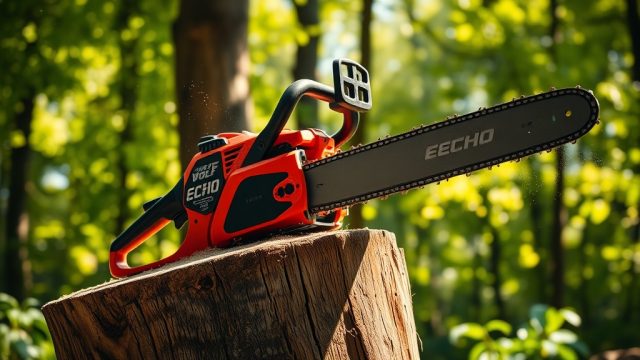
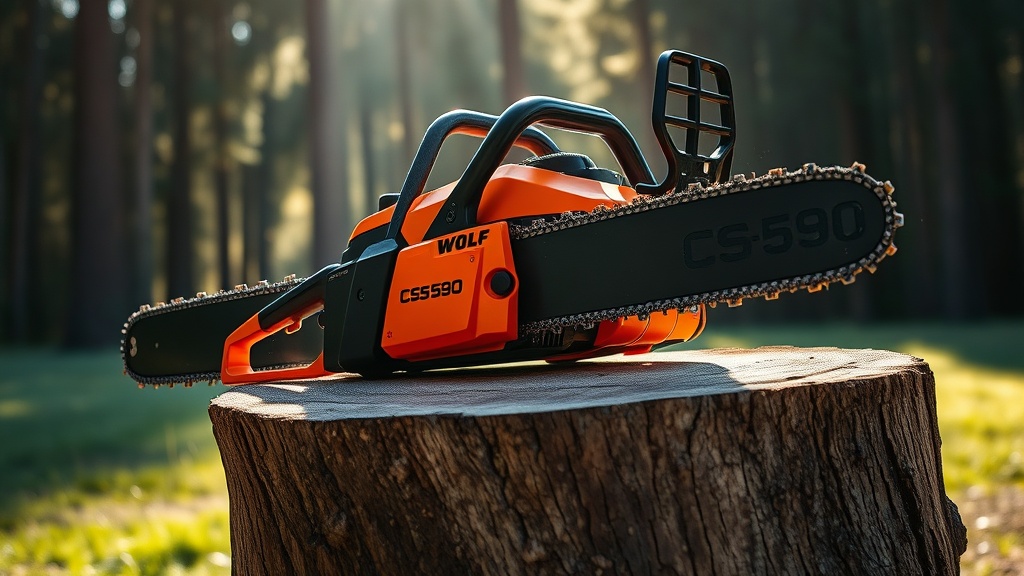
Choosing the right bar oil for your Echo CS-590 Timber Wolf isn’t just about keeping the chain slick—it’s about protecting the engine, reducing bar wear, and making sure your saw cuts for years. The CS-590 is a powerful 59.8cc farm and firewood saw, but it runs hot under heavy loads, which makes oil viscosity a critical factor. In this guide, you’ll learn exactly which bar oil weights to use in different seasons, what to avoid, and how to stretch your oil budget without compromising the saw’s guts.
Why Does Viscosity Matter for the Echo CS-590 Timber Wolf?
The Echo CS-590 Timber Wolf is an air-cooled professional-grade saw with a 20- to 24-inch bar. Its heavy-duty clutch and high chain speed generate considerable heat in the guide bar groove and the chain rivets. If your bar oil is too thin for summer temperatures, it will fling off the chain before it can do its lubricating job, leading to rapid bar and chain wear. If the oil is too thick for freezing weather, it won’t flow into the oil pump at all, leaving the chain dry and spitting sparks.
The CS-590 uses a fixed-flow oil pump that is not adjustable. That means you cannot compensate for a wrong viscosity grade by turning a screw—you must choose the right oil for the ambient temperature. The manual recommends oils with a viscosity of SAE 30 in warm weather and SAE 10W in cold weather. Running straight 30-weight in a Canadian winter will starve the bar of oil; running 10W in an Australian summer will fling it away.
Here is a simple temperature-based viscosity guide for the Echo CS-590 Timber Wolf:
| Ambient Temperature | Recommended SAE Viscosity | ISO Grade (if using industrial oils) | Example Product |
|---|---|---|---|
| Above 30°C (86°F) | SAE 40 or SAE 30 | ISO 100 | Husqvarna Bar & Chain Oil; STIHL BioPlus |
| -5°C to 30°C (23°F–86°F) | SAE 30 | ISO 68–100 | Echo Premium Bar and Chain Oil |
| -15°C to 5°C (5°F–41°F) | SAE 10W or SAE 10W-30 | ISO 32–46 | Echo Winter Bar Oil; Husqvarna Winter Blend |
| Below -15°C (5°F) | Diluted SAE 10W with 10% kerosene (approved by Echo) | ISO 22 | Homemade winter mix; OEM winter oils from Echo |
Which Bar Oil Weight Is Best for Summer Cutting (Above 30°C)?
When you’re bucking up rounds in July heat or limbing in dusty conditions, the bar oil needs to cling to the chain like adhesive. SAE 40 motor oil or dedicated bar oil with an ISO 100 rating provides the high film strength needed to keep the chain bearing surfaces coated. Echo does not officially recommend SAE 50, but many owners use it in extreme heat (above 35°C) if they see oil fling flying off the bar. A word of caution: SAE 50 is extremely thick on cold starts—warm up the saw for 10 seconds at idle before engaging the chain.
If you’re in the American South or Australia, stay away from any oil labeled “multi-grade” unless it’s explicitly a bar oil meant for chainsaws. Multi-grade motor oils contain detergents and additives that can leave sticky deposits inside the oil pump check valve of the CS-590. Over time, those deposits can reduce oil flow by 30% or more. Stick with SAE 30 or SAE 40 bar oil from Echo, Husqvarna, or STIHL for summer work.
What Bar Oil Should You Use in Winter Climates (Below 0°C)?
Freezing temperatures turn SAE 30 into a semi-solid paste that the Echo’s pump cannot move. The result is a glowing-hot bar nose and a chain that snaps after three cuts. Winter bar oil, usually graded as SAE 10W or SAE 10W-30, has a lower pour point and flows easily at -15°C. Echo makes a dedicated winter blend that costs around £8.99 for a 5-litre jug—more than summer oil, but cheaper than a new bar.
If you cannot find winter bar oil locally, you can thin SAE 30 with 10% kerosene or diesel, which is a trick endorsed by Echo in the official manual. Do not exceed 10% dilution, and never use gasoline—it destroys the oil pump seals. Mix the thinned oil in a separate container before filling the saw, and test it at idle: you should see a steady droplet every 3–5 seconds on a cold start at -5°C. If you get a stream, the mix is too thin.
For owners in Canada and northern states, we recommend the Echo CS-590 Timber Wolf Fuel Filter Replacement Guide as a companion task—changing both the fuel filter and using winter oil at the same service interval keeps the saw running smoothly through the cold months.
Is It Safe to Use Used Motor Oil as Bar Oil?
This is a common cost-saving tactic among homesteaders and firewood cutters, but the answer for the CS-590 Timber Wolf is a conditional “no” if you care about your saw’s longevity. Used motor oil from a car crankcase contains micro-fine metal particles, carbon sludge, and sulfuric acids that accelerate wear on the bar rails, chain rivets, and the oil pump worm gear. The bar groove of a 24-inch bar costs £45 to replace—saving £3 on a jug of fresh bar oil is not a bargain.
That said, some operators run filtered used oil in very dirty felling conditions (e.g., full-time logging in sandy soil) because fresh bar oil would be flung away before reaching the nose sprocket. If you absolutely must use it, filter it through a 150-micron paint strainer to remove the large grit, and accept that your bar will last 40% fewer hours. For the average homeowner who cuts 5 cords a year, fresh bar oil is far cheaper in the long run.
How Much Bar Oil Does the Echo CS-590 Timber Wolf Consume per Tank?
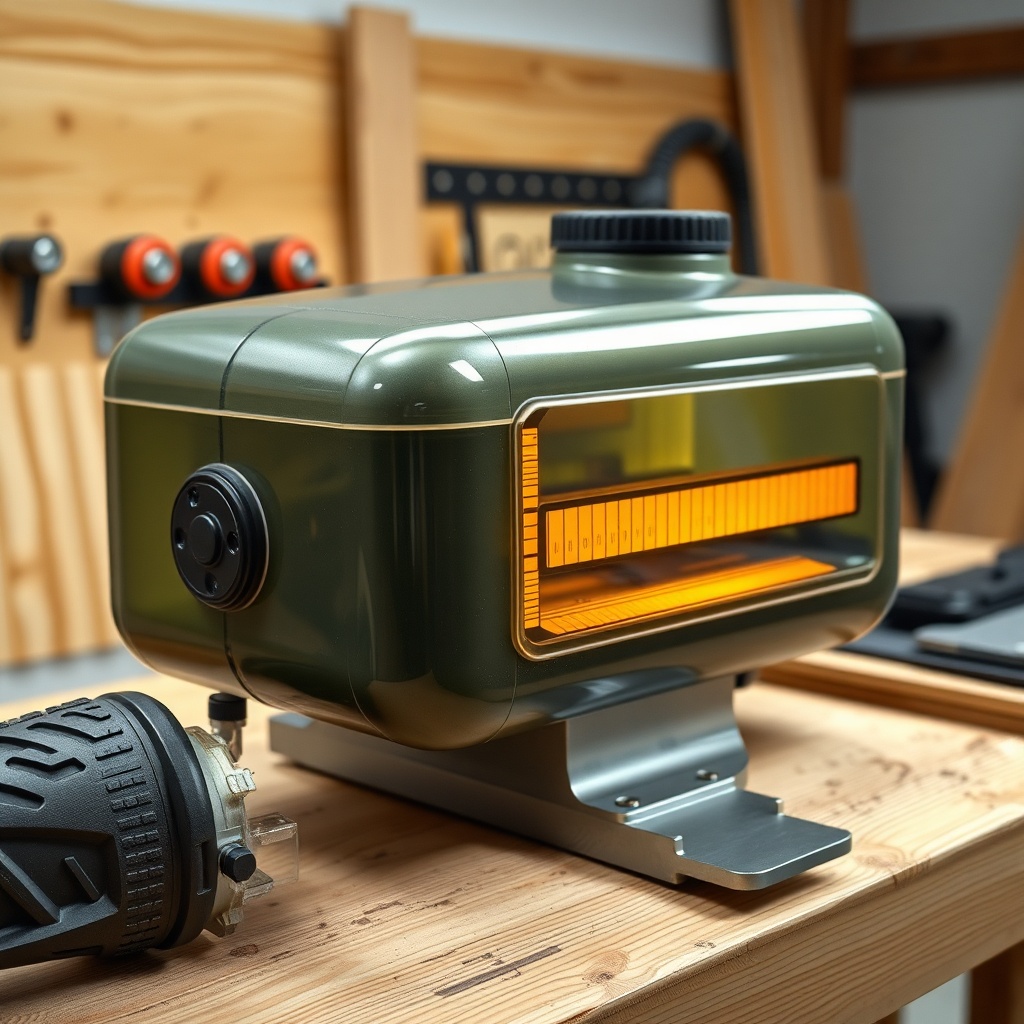
The CS-590 has a 10.1 fl oz (300 ml) oil tank and a 20.3 fl oz (600 ml) fuel tank. Under heavy cutting in softwood (pine, spruce) with a sharp chain, the saw burns one full oil tank for every fuel tank. In hardwoods like oak or hickory, which generate more friction heat, oil consumption increases to about 1.5 oil tanks per fuel tank. That means a 5-litre jug of bar oil should last roughly 15–17 tanks of fuel in mixed cutting.
If you find you’re refilling oil only half as often as fuel, you likely have a blocked oiler passage or the adjustment screw (if your particular CS-590 has the adjustable oiler) is turned down too low. The newer Echo CS-590 serial numbers have a non-adjustable pump; if your oil flow seems low, check the Echo CS-590 Timber Wolf Bar Replacement Guide to see if the bar hole is aligned with the pump outlet.
Here’s a quick consumption reference table for the CS-590 with a 20-inch bar:
| Cutting Condition | Wood Type | Oil Tank per Fuel Tank | Approx. Hours per 5 Litres |
|---|---|---|---|
| Light pruning | Soft branches | 0.7 tanks | 25–30 hours |
| Medium bucking | Pine, fir, spruce | 1.0 tanks | 15–18 hours |
| Heavy felling | Oak, beech, hickory | 1.4–1.6 tanks | 9–12 hours |
| Dusty/dirty wood | Any with bark sand | 1.7+ tanks | 7–9 hours |
What Do Owners Say About Bar Oil Performance on the Echo CS-590 Timber Wolf?
The Timber Wolf has a strong following on forums like Arboristsite and OPE. The general consensus: Echo’s own brand bar oil works well, but many owners switch to Husqvarna or STIHL oils for better cling. One owner reported that after 200 hours of hardwood cutting with Echo Premium Bar and Chain Oil, his bar rails showed only 0.008″ (0.2 mm) wear. Another user in Quebec says winter grade 10W oil is essential—he ruined a brand new Oregon bar in 10 hours running SAE 30 at -10°C.
Common complaints include the CS-590’s relatively small oil tank compared to some Husqvarna models. The saw does not have an adjustable oiler, so you cannot increase flow for long bar usage. Some owners have drilled out the oil pump discharge hole to 1/16″ to increase flow for 24-inch bars, but that voids the warranty. Most agree that 20-inch bars work perfectly with the stock oil flow, and that 24-inch bars in hardwood need frequent oil refills.
One long-term review said: “Use good oil, keep the chain sharp, and the CS-590 Timber Wolf will outlast you.” That rings true—the saw’s oil pump is robust enough to last 1,000+ hours if fed clean oil. If the chain brake system ever gives you trouble, see our Echo CS-590 Timber Wolf Chain Brake System: How It Works & Testing Tips to check for oil contamination on the brake band.
Frequently Asked Questions
Can I use synthetic bar oil in my Echo CS-590 Timber Wolf?
Absolutely. Synthetic bar oils like STIHL BioPlus or Husqvarna X-Force are excellent for the CS-590. They cling better, have a higher flash point, and biodegrade faster if spilled. The only downside is cost—synthetic oil can run £12–15 per 5 litres compared to £7 for mineral bar oil. It is especially valuable if you cut in environmentally sensitive areas.
What happens if I run the CS-590 with no bar oil?
Running the saw dry for more than 30 seconds will overheat the chain and bar. The bar groove will blue and warp, the chain will snap, and the sprocket nose may seize. The Echo CS-590’s oil pump is splash-fed from the tank; if the tank runs empty, the pump continues turning but pulls air, potentially damaging the pump seals. Always refill the oil tank before it drops below 1/4.
Is regular SAE 30 motor oil okay for the Echo CS-590?
Standard SAE 30 non-detergent motor oil (like 30-weight air compressor oil) works in a pinch, but it lacks tackifiers that keep oil on the chain at high speeds. Dedicated bar oil has a “cling” additive that reduces fling by about 40%. Use motor oil only in emergencies, and drain it out as soon as you can fill with real bar oil.
How do I clean old bar oil residue from the CS-590’s oil tank?
If you’ve used a sticky oil that left deposits, drain the tank and pour in 100 ml of kerosene. Swish it around for 30 seconds, then drain it completely. Let the tank air-dry for an hour before adding fresh oil. Do not use brake cleaner or acetone, as those solvents can attack the plastic tank on some Echo models.
Can I mix different brands of bar oil in the tank?
Yes, bar oils from all major brands are compatible as long as they have the same viscosity grade. Mixing SAE 30 with another SAE 30 will cause no issues. Avoid mixing different weights, like SAE 30 with SAE 10W, because the resulting viscosity will be inconsistent—you might get mediocre performance in both hot and cold conditions.
Why does the oil pump on my CS-590 sometimes seem to stop working?
In cold weather, SAE 30 oil can congeal in the pickup tube. Warm the saw for 30 seconds at idle with the chain brake engaged. If oil still does not flow, check the oil pump drive gear—it can wear out if the saw has run with insufficient oil. For more detail on maintenance scheduling, we recommend our How to Replace the Spark Plug on Echo CS-590 Timber Wolf to pair with oil system checks.