Why Is My Echo CS-590 Timber Wolf Chain Brake Not Engaging or Releasing?
The chain brake on the Echo CS-590 Timber Wolf is a critical safety feature that stops the chain in milliseconds during a kickback event. When it fails to engage or releases sluggishly, it compromises operator safety and can lead to dangerous situations. Common symptoms include the brake not locking when the hand guard is pushed forward, the chain continuing to spin after brake activation, or the brake lever feeling loose or sticking in one position. A worn brake band, stretched springs, or debris buildup in the brake assembly are usually to blame. This guide walks through step-by-step troubleshooting and repair procedures to restore proper function.
What Tools and Parts Do I Need for the Replacement?
Before diving into the repair, gather the following items. Using the correct tools prevents damage to plastic components and ensures a safe reassembly.
| Item | Specification/Notes | Estimated Cost (GBP) |
|---|---|---|
| Replacement brake band assembly | Echo part #P021000370 or equivalent aftermarket | £12–£20 |
| T25 Torx screwdriver | For clutch cover screws | £5–£10 |
| Flathead screwdriver | Small, for prying clips | £3–£7 |
| Socket wrench (10mm) | For clutch removal (if needed) | £8–£15 |
| Brake spring kit | Includes engage and return springs | £8–£12 |
| Degreaser/brake cleaner | For cleaning components | £5–£8 |
| Grease (lithium-based) | For lubricating pivots | £4–£6 |
Prices are approximate and may vary by retailer. Always verify compatibility with your saw’s serial number.
How Do I Access the Chain Brake Assembly on the Echo CS-590?
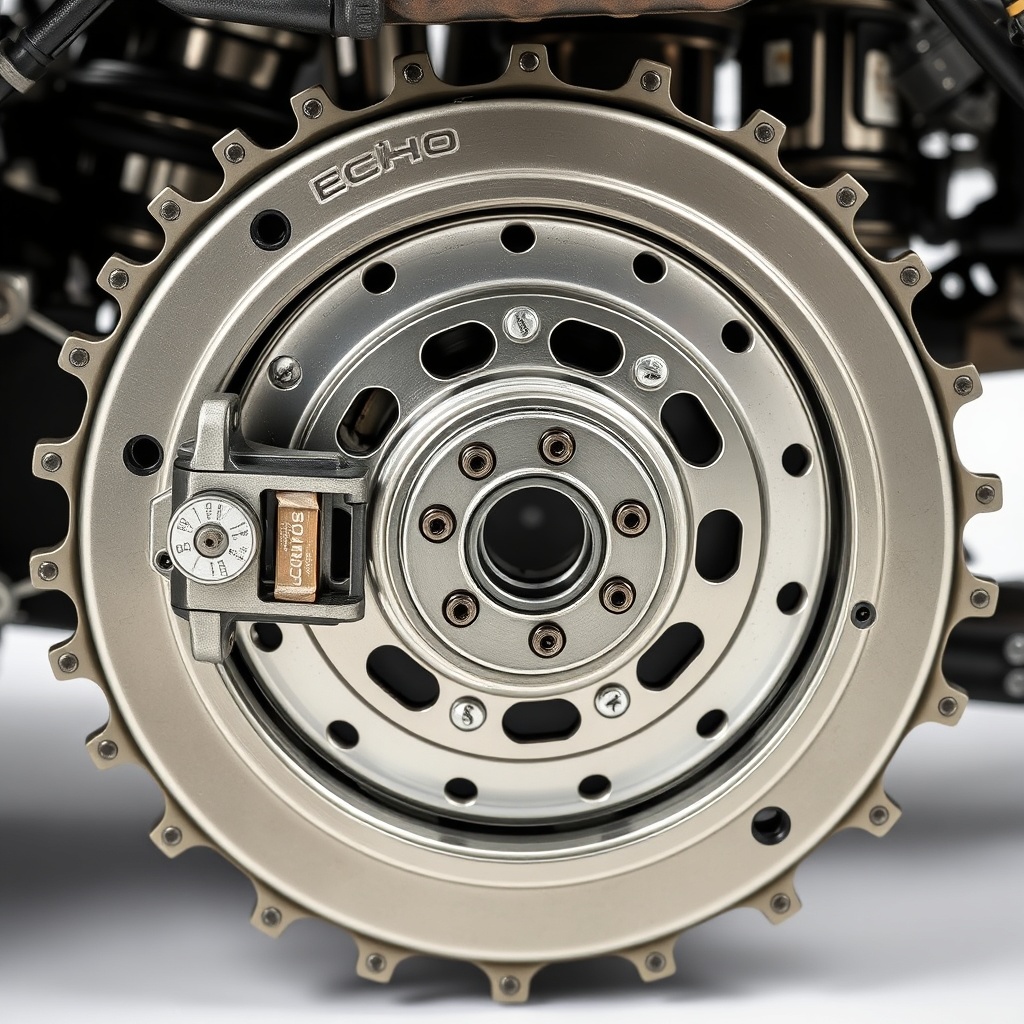
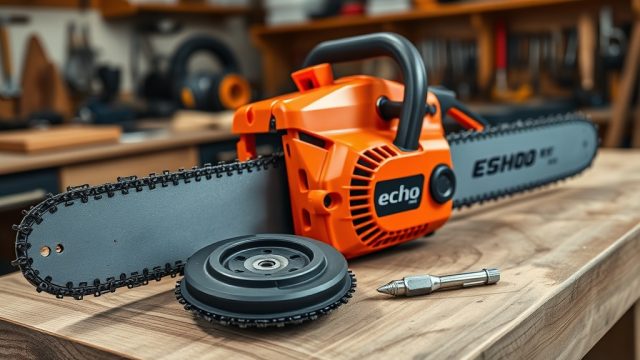
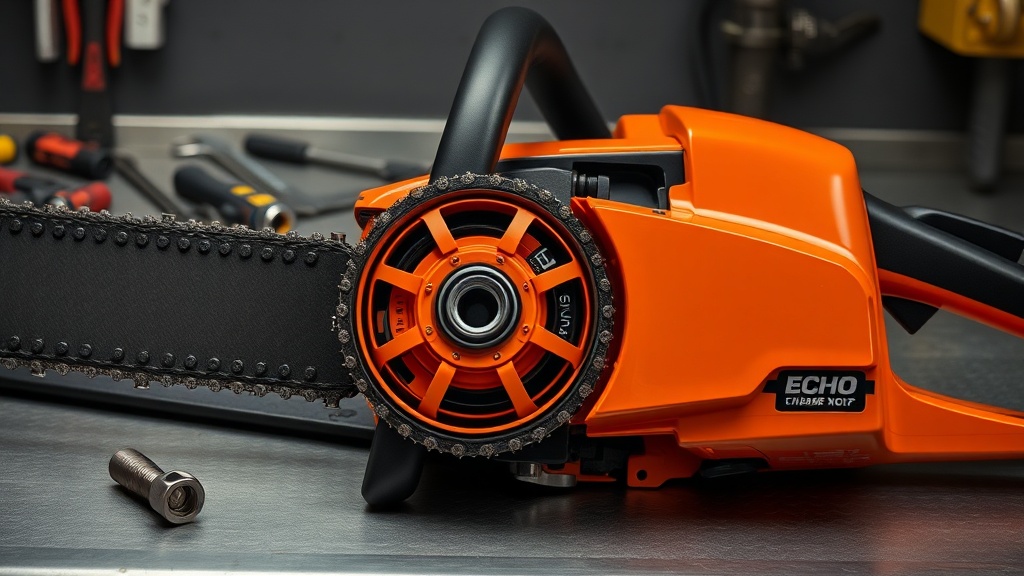
Accessing the brake assembly requires removing the clutch cover and bar. First, ensure the saw is cool, the fuel tank is empty or sealed, and the spark plug cap is disconnected. Loosen the two bar nuts with a socket wrench (usually 13mm) and remove the clutch cover. Slide the bar and chain off the drive sprocket. The chain brake mechanism is housed inside the clutch cover itself. On the Echo CS-590, the brake band wraps around a drum attached to the clutch assembly. Remove the two T25 Torx screws securing the brake band guide plate, then gently pry the band away from the drum. Take note of how the springs hook into the brake lever and anchor points.
For a detailed look at the clutch and drum assembly, see the Echo CS-590 Timber Wolf Bar Replacement Guide which covers related disassembly steps.
How Do I Inspect and Remove the Old Brake Components?
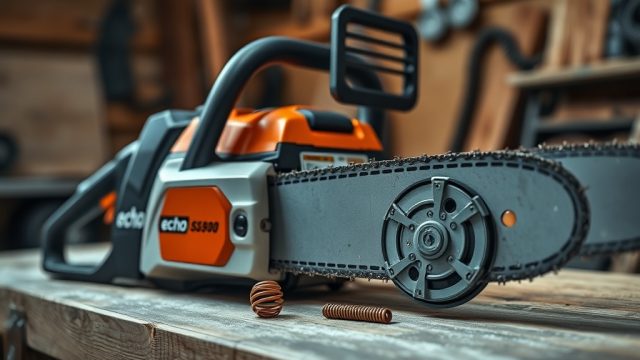
With the cover off, inspect the brake band for glazing—a shiny, hardened surface that reduces friction. Frayed edges or cracks also indicate replacement is needed. Check the spring tension: the engage spring (larger) and return spring (smaller) should feel firm and return the band to its resting position. If they sag or show rust, replace them as a set.
To remove, unhook the engage spring from the brake lever. Then, slide the brake band off its mounting post. The return spring often remains attached to the cover; carefully unhook it with needle-nose pliers. Clean the interior of the clutch cover with brake cleaner, removing sawdust and old grease that may hinder movement. Reassemble in reverse order: hook the new brake band onto its post, attach the engage spring, then the return spring. Ensure both springs sit flush in their recesses.
If the chain brake still feels sticky after replacing components, the issue may be with the Echo CS-590 Timber Wolf Oil Pump Replacement Guide—debris from a failing oil pump can contaminate the brake assembly.
How Do I Test the Chain Brake Function After Replacement?
Before reinstalling the bar and chain, test the brake manually. With the clutch cover off, push the brake lever forward (toward the bar) until you hear a distinct click. The brake band should snap onto the drum. Pull the lever back; it should release smoothly with a second click. Any grinding or hesitation indicates a misaligned spring or band. If the lever feels loose, the detent springs inside the cover may need adjustment.
Once satisfied, reinstall the bar and chain, then tension and test again. Start the saw at idle (ensure the chain is clear of all obstacles). Engage the brake: the chain should stop within milliseconds. Run the saw at half throttle and repeat—this simulates kickback scenarios. If the brake fails under load, recheck the band-to-drum clearance. A gap of 0.5–1.0mm is optimal. For a full brake system test procedure, refer to Echo CS-590 Timber Wolf Chain Brake System: How It Works & Testing Tips.
What Owners Say About the Echo CS-590 Timber Wolf Chain Brake
Owners generally praise the Timber Wolf’s chain brake for its intuitive operation and reliability. Many note that the large hand guard is easy to slap forward even with gloves on. However, several report that after about 50 hours of heavy use, the brake band can glaze over, requiring replacement. “It saved my leg once when a branch kicked back,” writes one user on a forestry forum. “But after two seasons, it started acting up—needed new springs and a band.” Another owner cautions against using aftermarket brake bands: “Stick with Echo OEM; the cheap ones warp.”
Common maintenance tips from owners include lubricating the brake pivot points with silicone spray every 10 hours and checking spring tension before each workday. Some also replace the Echo CS-590 Timber Wolf Fuel Filter simultaneously to avoid fuel starvation issues that can cause the engine to stumble when the brake is engaged.
Compared to saws like the Husqvarna 460 Rancher, owners argue the Echo’s brake feels more solid. In a head-to-head Echo CS-590 Timber Wolf vs Husqvarna 460 Rancher for Farm Use comparison, the Echo’s brake wins on responsiveness but loses slightly on ease of disassembly for cleaning.
Frequently Asked Questions
Q: How often should I replace the chain brake on my Echo CS-590?
A: Inspect the brake band every 25–50 hours of use. Replace immediately if you notice glazing, cracking, or reduced stopping power. Most owners find replacement needed every 2–3 years with regular use.
Q: Can I clean the brake band instead of replacing it?
A: Light glazing can sometimes be removed with fine sandpaper (220-grit), but this is a temporary fix. For safety, replacement is always recommended when the band shows wear.
Q: My chain brake is stuck in the engaged position. What do I do?
A: This is often caused by debris jamming the band or a broken return spring. Remove the clutch cover, clean all parts, and inspect springs. Replace any damaged components.
Q: Is it safe to use the saw without a functional chain brake?
A: Absolutely not. Operating a chainsaw with a non-functional brake increases the risk of serious injury from kickback. Stop use immediately and repair the brake before continuing.
Q: Are Echo CS-590 chain brake parts interchangeable with other models?
A: The brake band and springs are specific to the CS-590 Timber Wolf. Using parts from other Echo saws may fit physically but can compromise safety due to different tension requirements.
Q: Do I need to replace the spark plug when replacing the chain brake?
A: While not required, it’s a good time to check and replace the How to Replace the Spark Plug on Echo CS-590 if it’s due. This ensures the saw starts reliably after disassembly.