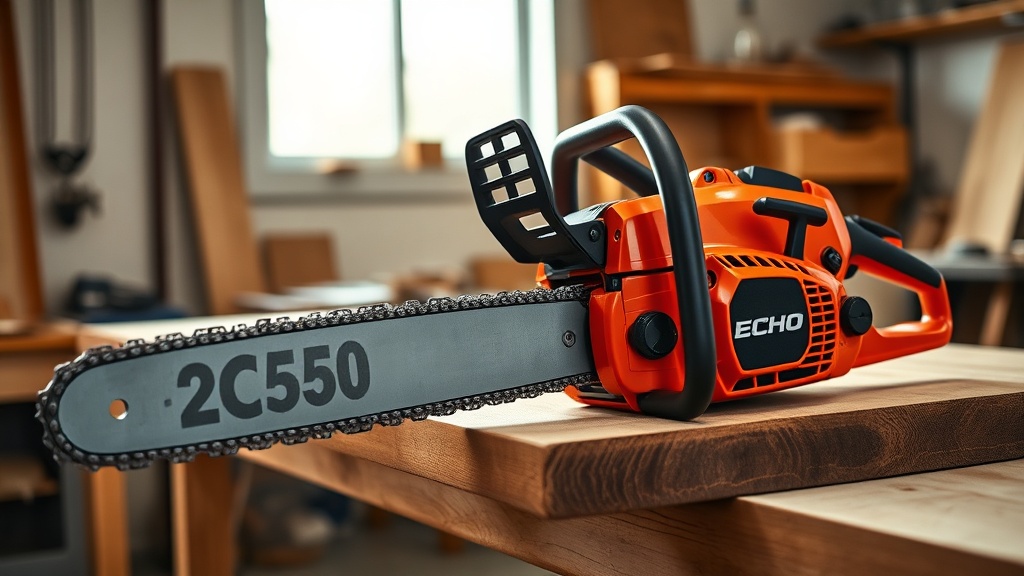
Echo CS-590 Timber Wolf Spark Arrester Cleaning and Maintenance Guide
The Echo CS-590 Timber Wolf is a formidable 59.8cc pro-class saw that serves as the workhorse for countless landowners, tree service pros, and firewood cutters. Its reliable, high-torque engine is designed to pull a long bar through dense wood all day. However, like any high-performance tool, consistent care is non-negotiable. One of the most critical yet often overlooked chores is cleaning the spark arrester screen. This guide dives deep into why this simple maintenance task matters, when to do it, and the exact steps you need to keep your CS-590 Timber Wolf cutting strong and compliant.
Neglecting the spark arrester can lead to a noticeable drop in power, harder starting, and even costly internal engine damage. By following the routine outlined here, you’ll extend the life of your saw and ensure each cut counts. Plus, you’ll avoid those frustrating moments when your saw just won’t pull its weight in the heat of a job.
Why Should I Clean the Spark Arrester on My Echo CS-590 Timber Wolf?
The spark arrester is a fine-mesh screen located inside the muffler. Its primary job is to trap glowing carbon embers and prevent them from exiting the exhaust, a critical fire-safety device, especially in dry conditions. Over time, exhaust byproducts—a mix of carbon, oil residue, and unburned fuel—build up on this screen. When the screen becomes clogged, exhaust flow is restricted. This back pressure forces exhaust gases to linger in the combustion chamber, displacing fresh air-fuel mixture. The result is a leaner running condition, reduced power, elevated cylinder temperatures, and a saw that struggles to idle or accelerate properly.
Cleaning the spark arrester restores proper exhaust scavenging, which in turn improves combustion efficiency, throttle response, and overall performance. It’s a ten-minute job that can save you the cost and headache of a top-end rebuild down the road.
How Often Should I Clean the Spark Arrester on a CS-590 Timber Wolf?
Frequency depends on usage intensity and fuel/oil quality. As a general rule, inspect the spark arrester every 10 to 15 hours of runtime. For heavy users cutting large, dirty logs or using lower-quality two-stroke oil, reduce that to every 5-8 hours. A good habit is to clean the spark arrester at the same time you change the air filter or perform a chain sharpening session. If you notice the saw losing power under load, or the engine suddenly feels “lazy” on acceleration, inspect the spark arrester immediately. You can also gauge build-up visually: if the screen appears darkened or shows visible plugs of carbon, it’s time for a cleaning.
For a detailed look at the air filter’s role in performance, check out our Echo CS-590 Timber Wolf Air Filter Comparison: OEM vs Aftermarket Performance. A clean air filter and a clean spark arrester work hand-in-hand to keep your engine breathing freely.
What Tools and Materials Do I Need for the Job?
Gathering the right tools makes the job quick and effective. Here is what you’ll need:
- Socket or Torx driver: Typically a T20 or T25 Torx bit to remove the muffler cover screws (check your specific model year). Some models use an 8mm socket.
- Flat-blade screwdriver: To gently pry off the spark arrester screen if it’s stuck.
- Wire brush or fine steel wool: For scrubbing carbon buildup off the screen. A brass brush is less abrasive.
- Compressed air (optional but recommended): To blow out loose carbon from the muffler cavity and screen.
- Small container: To keep screws organized.
- Safety glasses and gloves: Always protect your eyes and hands from carbon dust and sharp edges.
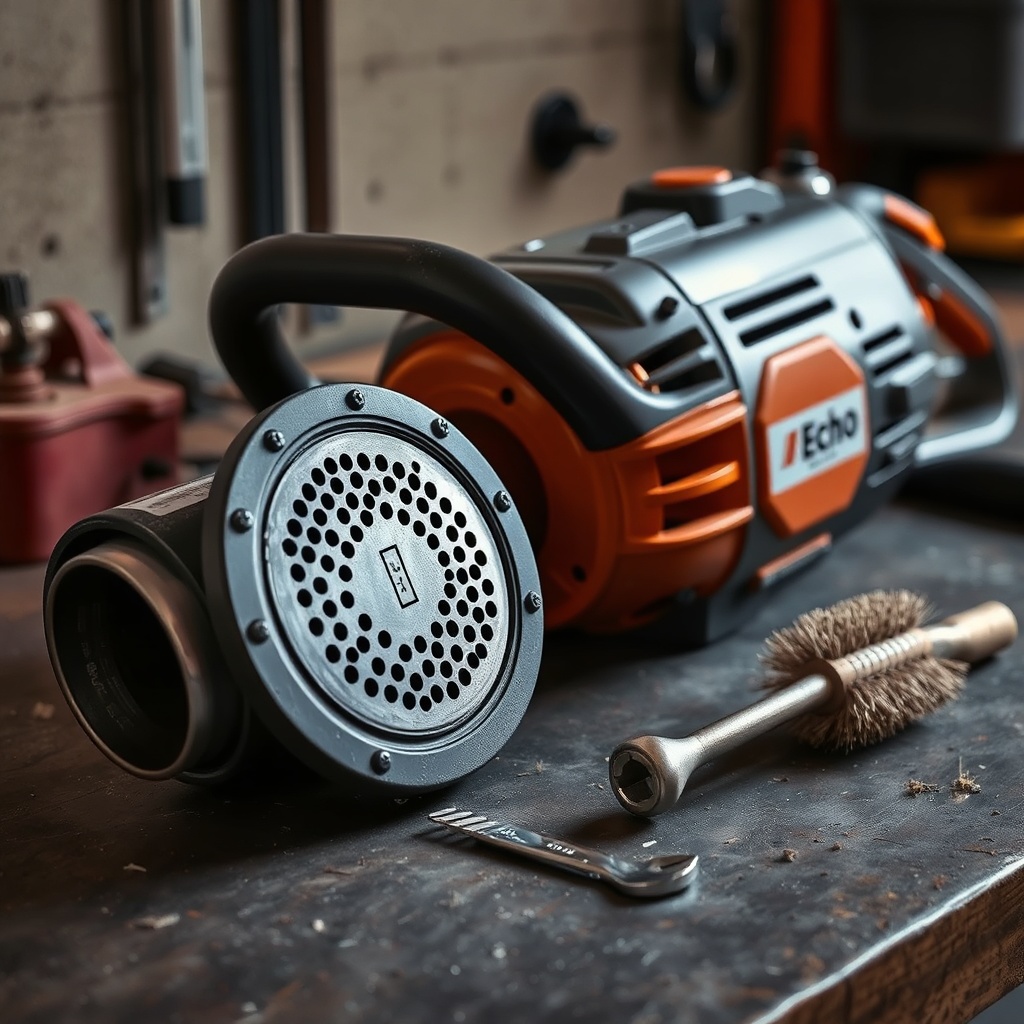
Step-by-Step: How to Clean the Spark Arrester on Your CS-590 Timber Wolf
Follow these steps carefully. Always work on a cool engine to avoid burns.
- Safety first: Disconnect the spark plug boot to prevent accidental starting. Let the engine cool completely (at least 20 minutes after heavy use).
- Remove the muffler cover: Locate the two screws holding the muffler cover (the outer plate that surrounds the exhaust port). Carefully remove them and set them aside in your small container. The cover may be held by gasket material; gently wiggle it free.
- Extract the spark arrester screen: Inside the muffler opening, you will see the fine mesh screen. It may be held by a single screw or simply friction-fit. If using a screw, remove it. If stuck, gently pry it out using a flat-blade screwdriver against the edge. Be careful not to damage the screen or the muffler housing.
- Inspect the screen: Look for heavy carbon deposits, holes, or tears. A screen with holes or excessive wear should be replaced. A thin, even layer of black carbon is normal; thick, crusty deposits require cleaning.
- Clean the screen: Use the wire brush or steel wool to gently scrub away carbon deposits. Work in a well-ventilated area. For stubborn deposits, you can use a torch (outdoors!) to burn off the carbon, then brush. Alternatively, soak the screen in a parts-cleaning solvent for 10-15 minutes, then scrub and rinse. Rinse thoroughly with clean solvent or water and dry completely with compressed air.
- Clean the muffler cavity: Use compressed air to blow out any loose carbon from the muffler cavity. Also clean the area around the screen seat.
- Reassemble: Install the clean or new spark arrester screen back into the muffler opening. Ensure it sits flush and flat. Reinstall the muffler cover and secure it with the screws. Do not overtighten, as the screw heads are small and can strip easily.
- Test: Reconnect the spark plug boot. Start the saw and let it idle for a minute. Rev the engine several times. Listen for a smooth, responsive throttle. If the power seems restored, you’re good to go.
What If the Spark Arrester Is Damaged or Missing?
A damaged spark arrester (cracked, torn, or severely pitted) cannot be safely repaired and must be replaced. Running without a spark arrester is highly discouraged for several reasons. First, it is illegal on many federal and state lands (USFS and BLM require spark arresters on chainsaws). Second, you risk igniting a wildfire. Third, removing the spark arrester alters the exhaust back pressure. While some seek the “uncorked” sound, this often leans out the mixture, potentially causing engine damage. If you choose to modify the muffler, do so carefully. Our guide Echo CS-590 Timber Wolf Muffler Modification Guide for Improved Power explains the safe methods if you’re considering that route.
If the screen is simply missing, purchase an OEM replacement (part number 130000-78132 or equivalent). The cost is typically around £8-12 (or $10-15 USD) and is a worthwhile investment.
Comparison: Severity of Spark Arrester Clogging on Performance
To help you understand the impact of different clogging levels, here is a table based on common user reports and mechanic observations:
| Clogging Level | Visual Cues | Performance Symptoms | Timing of Cleaning |
|---|---|---|---|
| Light (25% blocked) | Slight darkening, fine dust, no heavy deposits | None noticeable during normal cutting; slight drop on long WOT runs | Not urgent, but should inspect next schedule |
| Moderate (50% blocked) | Visible black crust, some screen cells partially filled | Harder to start when warm; power loss under heavy load; idle may hunt | Clean immediately; performance will improve |
| Heavy (75% blocked) | Thick crust; screen cells nearly invisible; may have small holes | Significant power loss; saw bogs under load; poor idle; engine runs hot; possible backfiring | Must clean immediately; risk of engine damage |
| Severe (90%+ blocked) | Screen fully plugged with hard carbon; may be warped or cracked | Engine will not idle; dies under throttle; very hard to start; spark plug may show lean condition (white/glazed) | Replace screen; tune carburetor; inspect piston and cylinder |
What Owners Say About Spark Arrester Maintenance on the CS-590 Timber Wolf
Across forums and user reviews, the topic of spark arrester maintenance generates strong opinions. Many owners praise the CS-590 for its durability, noting that a clean spark arrester is key to keeping it running like new. A common complaint, however, is that the screen can clog faster than expected if using poor-quality bar oil or running the saw with a rich mixture. One veteran user on a popular tree service site noted: “I clean the screen every time I do a full sharpen—about every 10 tanks. That saw hasn’t let me down in five years.”
Another common theme is the importance of using a torque screwdriver during reassembly. Several users reported stripping the small muffler cover screws, requiring expensive repairs. The consensus is clear: a few minutes of preventive maintenance saves hours of frustration and keeps the saw performing at its peak. For recommendations on matching bar oil to your usage, see our Best Bar Oil for Echo CS-590 Timber Wolf: Viscosity & Recommendations guide.
Some owners who have modified their mufflers remove the spark arrester entirely, citing performance gains. However, the majority advise against this unless you are committed to tuning the carburetor and accepting the fire risk. The stock setup, when properly maintained, offers plenty of power for most users. As one commenter put it, “Clean the screen, change the plug, and that saw will outwork you all day.”
Frequently Asked Questions
Q1: Can I run the Echo CS-590 Timber Wolf without a spark arrester?
Yes, it is mechanically possible, but it is illegal in many areas and increases fire danger. It also alters exhaust back pressure, potentially requiring carburetor adjustment to prevent lean running. Use at your own risk, and always check local regulations.
Q2: How do I know if my spark arrester needs cleaning versus replacement?
If cleaning with a wire brush restores a clear mesh (at least 80% open) and the screen is not warped, you can reuse it. If the screen has holes, tears, or severe warping, replace it. A screen that is too brittle to clean is also a replacement candidate.
Q3: What is the exact part number for the OEM spark arrester on the CS-590 Timber Wolf?
The OEM part number is generally 130000-78132 or 130000-78135. Always verify with your serial number using the Echo parts lookup tool or your local dealer. Cost is approximately £8-12 (or $10-15 USD).
Q4: Will cleaning the spark arrester fix a hard-starting issue?
If the saw is hard to start when warm or after brief use, a clogged spark arrester is a common cause. Cleaning it often resolves the issue. If the problem persists, check the air filter, fuel filter, and spark plug.
Q5: Can I use a solvent like carburetor cleaner to clean the screen?
Yes, carburetor cleaner or a dedicated parts cleaner works well. Soak the screen for 10 minutes, scrub with a brush, then rinse and blow dry. Avoid using abrasive chemicals that could damage the metal.
Q6: Does the spark arrester affect chain speed or bar oil flow?
No, the spark arrester is part of the exhaust system. It does not directly affect the chain brake, bar oil system, or clutch. However, a loss of engine power from a clogged screen will make the saw feel sluggish, which can indirectly give the impression of poor chain speed.
For more on specific brake and band maintenance, see our guides on Echo CS-590 Timber Wolf Chain Brake Replacement Guide and Echo CS-590 Timber Wolf Brake Band Replacement Guide.